
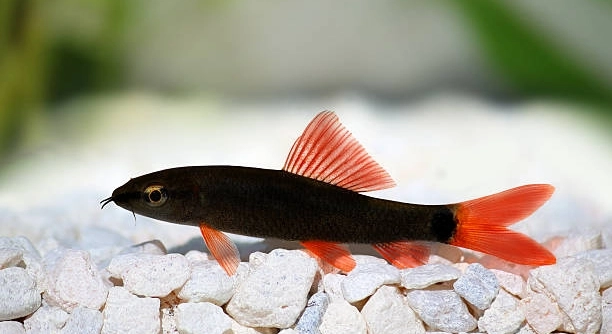
Many aquarium owners enjoy keeping rainbow sharks because of their striking appearance and lively nature. These fish need proper care to stay healthy, including enough activity in their tank. Recognizing when they need more exercise is important for their well-being.
A rainbow shark that lacks sufficient activity may show signs such as lethargy, decreased appetite, and unusual hiding behavior. Inadequate stimulation can lead to poor health and stress, which affects their overall condition and longevity. Ensuring they have space and opportunities to swim actively supports their natural behavior.
Learning to spot these signs helps improve your fish’s life quality. This article will guide you through simple ways to tell if your rainbow shark needs more activity.
Signs of Lethargy and Reduced Movement
When a rainbow shark becomes less active, it usually means something is off. You might notice your fish resting at the bottom or hiding more than usual. These sharks naturally like to swim around and explore their environment. If they spend most of their time staying still, it’s a clear signal they may need more stimulation or space. Sometimes, water quality or tank conditions can also affect their energy levels. Checking these basics helps rule out other problems before focusing on activity needs.
Lethargy is a common sign that your rainbow shark may need more exercise or a better environment.
Paying attention to movement patterns gives a good idea of their health. Encouraging swimming through tank setup or companions can improve their mood and vitality.
Changes in Eating Habits
A drop in appetite can be linked to low activity levels. If your rainbow shark stops eating or shows less interest in food, it might be bored or stressed. Hunger usually motivates fish to move and explore, so when this changes, it’s worth investigating. Sometimes, poor water conditions or illness cause eating issues, but lack of exercise plays a role too. Feeding smaller portions several times a day can help stimulate their interest.
Fish that are more active tend to have better appetites because exercise supports metabolism. Keeping the tank clean and providing hiding spots encourages natural behaviors and helps reduce stress. Adding decorations that create swimming paths can also invite your rainbow shark to move more. This encourages both physical and mental stimulation, which improves eating habits and overall health. Watching your fish’s behavior closely lets you make changes before problems worsen. Adjusting their environment and routine can bring back their energy and appetite.
Unusual Hiding Behavior
Rainbow sharks normally enjoy exploring their tank, but hiding constantly can be a sign they need more activity. If your fish is spending most of its time behind decorations or in corners, it may feel stressed or bored.
Hiding too much often means your rainbow shark isn’t getting enough stimulation or space to swim. These fish need room to move freely and areas that encourage exploration. A crowded tank or lack of interesting features can make them retreat and stay hidden. Adding plants, caves, or driftwood creates new places to discover and encourages movement. Sometimes, tank mates that are too aggressive can also cause hiding behavior. Observing your fish closely helps identify the cause and adjust the tank setup accordingly.
Encouraging your rainbow shark to explore more by changing its environment can reduce hiding and improve its overall mood. Providing a balanced tank environment keeps them active and confident.
Restlessness and Erratic Swimming
Restlessness in rainbow sharks may show as quick, jerky movements or sudden bursts of swimming. This behavior can indicate the fish is searching for stimulation or reacting to discomfort.
Erratic swimming can result from stress, poor water quality, or boredom. If your fish lacks proper activity, it might swim nervously or collide with tank walls. Ensuring the tank has enough space and a calm atmosphere helps reduce this behavior. Regular water testing and maintenance keep the environment comfortable, which lowers stress and improves movement patterns. Introducing gentle tank mates or rearranging decorations can also provide mental stimulation. Watching for restlessness early allows timely changes to improve your rainbow shark’s comfort and activity level.
Loss of Color Vibrancy
A rainbow shark’s bright colors often fade when it is inactive or stressed. Dull or washed-out colors can signal a need for more activity or better tank conditions.
Ensuring the fish has space to swim and a stimulating environment helps restore its natural vibrancy. Healthy water quality and a balanced diet also support bright coloration.
Increased Aggression
Sometimes, a lack of activity causes rainbow sharks to become more aggressive toward tank mates. This behavior can arise from boredom or territorial stress.
Providing enough room and hiding spots reduces conflicts. Encouraging regular swimming helps lower aggression and keeps the tank peaceful.
Restoring Activity Levels
Improving your rainbow shark’s environment is key to boosting its activity. Larger tanks with varied decorations create space for exercise and exploration.
Regular water changes and monitoring conditions prevent stress. Adding compatible companions encourages natural behavior and movement. Keeping these factors in balance promotes a healthier, more active fish.
Monitoring Your Fish’s Health
Watching your rainbow shark’s behavior daily helps catch early signs of inactivity. Prompt changes can prevent health issues and improve its quality of life.
FAQ
How much space does a rainbow shark need to stay active?
Rainbow sharks need enough space to swim freely. A tank of at least 30 gallons is recommended for one adult fish. Larger tanks allow for more swimming room and help prevent boredom. Crowded tanks limit movement and can cause stress or aggression.
What kind of tank setup encourages activity in rainbow sharks?
A good tank setup includes plenty of open swimming areas combined with hiding spots like caves, plants, or driftwood. These features give the fish places to explore and rest. Varying the tank layout occasionally can also keep your rainbow shark interested and active.
Can rainbow sharks live with other fish?
Yes, but it’s important to choose compatible tank mates. Avoid overly aggressive or very small fish, as rainbow sharks can be territorial. Peaceful but lively species that share similar water needs work best. Proper space and hiding places reduce aggression between fish.
What role does water quality play in a rainbow shark’s activity?
Clean, well-maintained water is essential for healthy activity levels. Poor water quality causes stress and lethargy. Regular water changes, testing for ammonia, nitrite, and nitrate levels, and maintaining proper temperature keep your fish comfortable and energetic.
How often should I feed my rainbow shark to support activity?
Feeding small amounts two to three times daily helps maintain energy and encourages movement. Overfeeding can lead to poor water quality and inactivity, while underfeeding reduces energy. A balanced diet including sinking pellets, vegetables, and occasional protein treats supports health and activity.
Can lighting affect my rainbow shark’s activity?
Yes, proper lighting influences their behavior. Too bright or too dim lighting can cause stress or lethargy. Providing a regular day-night cycle with moderate lighting encourages natural activity rhythms and helps regulate their energy levels.
What signs show my rainbow shark is stressed due to inactivity?
Signs include hiding often, loss of color, reduced appetite, erratic swimming, and aggression. Stress from lack of activity can weaken their immune system. Addressing tank size, water quality, and enrichment can reduce these symptoms.
Is it normal for rainbow sharks to rest often?
Resting is normal, but excessive inactivity signals a problem. They usually rest in short bursts between swims. If your fish spends long periods motionless or hidden, consider improving tank conditions or providing more stimulation.
How can I encourage my rainbow shark to be more active?
Introduce new decorations to explore and rearrange the tank occasionally. Adding compatible fish can promote interaction and movement. Maintain water quality and a healthy diet. These steps create a stimulating environment that motivates activity.
What should I avoid if I want to keep my rainbow shark active?
Avoid overcrowding the tank and poor water maintenance. Don’t overfeed or leave the tank layout unchanged for too long. Avoid aggressive tank mates and overly bright lighting. Neglecting these factors often leads to boredom and inactivity.
Rainbow sharks are active and beautiful fish that need proper care to stay healthy and happy. One important part of their care is making sure they have enough activity in their tank. Without enough space or stimulation, these fish can become stressed, inactive, and even unhealthy. Paying attention to signs like hiding, loss of color, or changes in eating habits helps catch problems early. Making small changes in their environment can make a big difference in their well-being.
Providing a suitable tank setup is key to keeping your rainbow shark active. A tank that is large enough with open swimming areas and hiding spots gives your fish places to explore and feel safe. Decorations like plants, caves, and driftwood can create interesting paths and encourage movement. It is also important to maintain good water quality by doing regular water changes and testing the water. Clean, stable water supports the fish’s energy and health. Feeding your fish the right amount of food, and doing it several times a day, helps keep their metabolism going and encourages activity.
Watching your rainbow shark closely every day allows you to notice changes in behavior before they become serious. If you see signs like lethargy, unusual hiding, or aggression, take steps to improve the tank environment. Adding stimulation, adjusting lighting, or introducing compatible tank mates can boost activity and reduce stress. These actions help your fish live a longer, healthier life. Taking care of your rainbow shark’s need for activity is an important part of responsible fishkeeping and will make your aquarium more enjoyable for both you and your fish.

Hello,
If you enjoy the content that we create, please consider saying a "Thank You!" by leaving a tip.
Every little bit helps us continue crafting quality advice that supports the health, happiness, and well-being of pets around the world, for pets of all shapes, sizes, and species.
We really appreciate the kindness and support that you show us!