
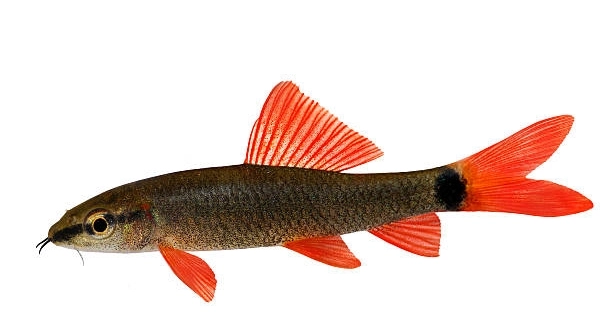
Are your rainbow sharks showing signs of loneliness or unusual behavior in their tank? Many fish owners wonder when it is appropriate to introduce a tankmate. Understanding your fish’s needs helps maintain a balanced and healthy aquarium environment.
Rainbow sharks benefit from companionship when they exhibit signs of stress or aggression caused by isolation. Adding tankmates can reduce territorial disputes and encourage natural behaviors, improving their overall well-being and tank harmony.
Knowing how to recognize these signs will help you create a peaceful and thriving aquarium for your rainbow shark and its companions.
Signs Your Rainbow Shark Is Lonely
Rainbow sharks are naturally territorial fish, but when kept alone, they may start showing signs of loneliness. You might notice they become more aggressive or start chasing their own reflection. They may also lose their vibrant colors or become less active. Sometimes, they hide more often or seem stressed, which indicates they could benefit from a tankmate. Observing these behaviors early can help prevent problems in your aquarium. Loneliness in rainbow sharks doesn’t always mean adding any fish; you need the right companions that won’t increase aggression. Make sure the tank environment provides enough hiding spaces and territory for each fish. This helps reduce stress and keeps your rainbow shark comfortable and secure.
Loneliness often causes behavioral changes in rainbow sharks. They need social interaction to stay healthy and vibrant.
Introducing compatible tankmates can improve your fish’s mood and reduce stress-related behaviors, making the tank more peaceful overall.
Choosing the Right Tankmates
Choosing the right tankmates for your rainbow shark requires careful consideration of temperament and tank size. Rainbow sharks can be territorial, so it’s important to select fish that are peaceful yet robust enough to coexist. Avoid small or slow-moving fish that might become targets of aggression. Species like larger tetras, barbs, or plecos usually work well because they share similar water needs and have a strong presence. Additionally, consider the tank size — a crowded tank increases stress and territorial disputes. Providing ample space and hiding spots helps all fish feel secure. Keep in mind that the water parameters such as temperature, pH, and hardness must be compatible among all species in the tank. Introducing tankmates gradually and monitoring behavior closely ensures a smoother transition and long-term harmony.
When Your Rainbow Shark Becomes Aggressive
Aggression is a key sign your rainbow shark may need a tankmate or more space. It often targets other fish or even its own reflection.
Aggression usually stems from boredom or lack of stimulation in the tank. When a rainbow shark has no companions or adequate hiding spots, it may become territorial and aggressive. Providing a compatible tankmate can help reduce stress and aggression. Alternatively, increasing the tank size or rearranging decorations to create clear boundaries can ease tension. Monitoring aggressive behavior helps determine if changes are needed before serious harm occurs to other fish.
If aggression is extreme, isolation or separating the rainbow shark temporarily might be necessary. Gradual reintroduction with proper companions will help maintain peace. Understanding this behavior prevents damage and promotes a calmer environment for all tank inhabitants.
Signs of Stress Related to Tankmates
Stress often shows through rapid breathing, erratic swimming, or hiding. This behavior means the current tank setup may not suit your rainbow shark.
Stress can arise if tankmates are too aggressive or if the environment lacks enough space or hiding places. Rainbow sharks are sensitive to overcrowding and conflict. Incompatible fish can trigger anxiety and negatively impact health. It’s important to assess the tank conditions, check water quality, and evaluate the behavior of all fish. Ensuring compatible companions and proper territory limits helps reduce stress levels. Keeping a calm, balanced environment improves your rainbow shark’s well-being and encourages natural behaviors, resulting in a healthier aquarium overall.
Tank Size Matters
A small tank can cause your rainbow shark to become stressed or aggressive. They need enough space to swim and establish territories.
A minimum of 55 gallons is recommended when keeping rainbow sharks with tankmates. Larger tanks help reduce conflicts and provide room for hiding spots, which are essential for their comfort.
Monitoring Behavior Changes
Watching how your rainbow shark interacts with others can reveal if a tankmate is needed. Sudden changes in activity or color can signal discomfort.
If your rainbow shark starts hiding more or losing its bright colors, it may be time to add compatible companions to improve its environment.
Feeding Patterns and Tankmates
Feeding time can show how well your rainbow shark shares the space. If it’s overly aggressive or shy, changes may be necessary.
Hiding Spots and Territory
Providing ample hiding places helps reduce stress and aggression. Without these, rainbow sharks may feel threatened and act out.
FAQ
How many tankmates can a rainbow shark have?
The number of tankmates depends on the tank size and the species you choose. In a tank of about 55 gallons or more, you can safely keep two to three compatible tankmates. Overcrowding leads to stress and territorial disputes, so it’s best to avoid too many fish in a confined space. Make sure each fish has enough room to swim and hide to prevent aggression.
What are the best tankmates for rainbow sharks?
Ideal tankmates include peaceful but sturdy fish like larger tetras, barbs, and plecos. These species are fast enough to avoid conflicts and share similar water needs. Avoid slow or small fish that might be bullied. It’s important to research each fish’s temperament and compatibility before adding them to the tank.
Can rainbow sharks live alone?
Yes, rainbow sharks can live alone, but they may become bored or stressed without tankmates. This can lead to aggressive or repetitive behaviors. Providing a large tank with plenty of hiding spots helps, but adding peaceful companions usually improves their quality of life.
What signs show a rainbow shark is stressed?
Stress signs include fading color, hiding, erratic swimming, or lack of appetite. A stressed rainbow shark may also chase its reflection or other fish aggressively. Poor water quality, overcrowding, or incompatible tankmates often cause stress. Addressing these issues early helps maintain their health.
How to introduce new tankmates to a rainbow shark?
Introduce new fish slowly and monitor their interactions closely. Use a quarantine tank if possible to ensure new fish are healthy. Rearrange tank decorations before adding new fish to disrupt established territories. This reduces aggression as all fish adjust to the new layout.
Can rainbow sharks be kept with other sharks?
Keeping multiple rainbow sharks in the same tank is risky. They are territorial and may fight, especially in smaller tanks. If you want more than one, a very large tank with plenty of hiding spaces is necessary. Otherwise, mixing species with different temperaments is safer.
How important is tank decoration for rainbow sharks?
Tank decoration is crucial for reducing stress and aggression. Plants, rocks, and caves provide hiding spots and territories. This helps your rainbow shark feel secure and reduces territorial fights. Avoid overcrowding the tank with decorations, but make sure there are enough places for fish to retreat.
What water conditions suit rainbow sharks and their tankmates?
Rainbow sharks prefer slightly acidic to neutral pH (6.5–7.5) and temperatures between 72°F and 79°F. Tankmates should tolerate similar conditions. Stable water parameters are essential to avoid stressing any fish. Regular water testing and changes help keep the environment healthy.
How to recognize if a tankmate is causing problems?
Look for increased hiding, fin damage, or unusual behavior in your rainbow shark. If it suddenly becomes aggressive or withdrawn, a tankmate could be the cause. Removing the problem fish or rearranging the tank can help restore balance.
Is it okay to keep rainbow sharks with community fish?
Yes, as long as the community fish are not too small or slow. Choose species that can hold their own and avoid overly peaceful or timid fish that might be harassed. Community tanks work well when the fish share similar environmental needs and temperaments.
What to do if aggression continues after adding tankmates?
If aggression persists, consider increasing tank size or adding more hiding places. Separating aggressive fish temporarily might be necessary. Sometimes, rainbow sharks simply don’t tolerate certain tankmates well, so be prepared to rearrange or remove fish to maintain peace.
How often should I observe my rainbow shark’s behavior?
Regular daily observation is important. Watch how your rainbow shark interacts with tankmates, feeds, and moves around. Early detection of stress or aggression helps prevent bigger problems. Keep notes if needed to track changes over time.
Are there any tankmates to avoid completely?
Avoid slow-moving, small, or very peaceful fish like guppies or bettas. These fish are likely to be bullied. Also, avoid other aggressive species that may provoke fights. Always research compatibility before adding any fish.
Can tankmates improve a rainbow shark’s health?
Yes, the right tankmates can reduce stress and encourage natural behavior, which supports better health. Social interaction helps keep your rainbow shark active and engaged, leading to a happier fish overall.
What is the best way to handle aggression between tankmates?
Try rearranging the tank to reset territories and provide more hiding spots. Feed fish adequately to reduce competition. If problems continue, isolate aggressive individuals. Patience and observation are key to managing aggression effectively.
When it comes to caring for your rainbow shark, understanding its social needs is important. These fish can show different behaviors depending on their environment and tankmates. Knowing when your rainbow shark needs a companion helps create a balanced aquarium. If the fish is lonely or stressed, adding the right tankmates can improve its mood and health. However, it is also important to be careful about who you add. Not all fish are good companions for rainbow sharks. Choosing peaceful and compatible fish is necessary to avoid fights and stress.
Tank size and decoration play a big role in how well your rainbow shark adjusts to tankmates. A larger tank with enough space gives each fish its own territory and reduces conflict. Hiding spots and plants also help by providing safe places for shy or stressed fish. When fish feel secure, they are less likely to act aggressively. It’s important to watch your rainbow shark’s behavior closely after introducing new tankmates. Sometimes changes in color, appetite, or activity level can show if the fish is happy or stressed. Keeping the water clean and stable also supports a healthy and peaceful environment for all the fish.
In the end, caring for a rainbow shark with tankmates is about balance. It takes time and attention to find the right mix of fish and tank conditions. By observing your rainbow shark and adjusting its environment, you can help it thrive. Adding companions carefully can reduce loneliness and improve natural behaviors. Just remember to give your fish enough space and proper care to avoid aggression and stress. With patience, your rainbow shark and its tankmates can live together in harmony and make your aquarium a pleasant place to watch.

Hello,
If you enjoy the content that we create, please consider saying a "Thank You!" by leaving a tip.
Every little bit helps us continue crafting quality advice that supports the health, happiness, and well-being of pets around the world, for pets of all shapes, sizes, and species.
We really appreciate the kindness and support that you show us!