
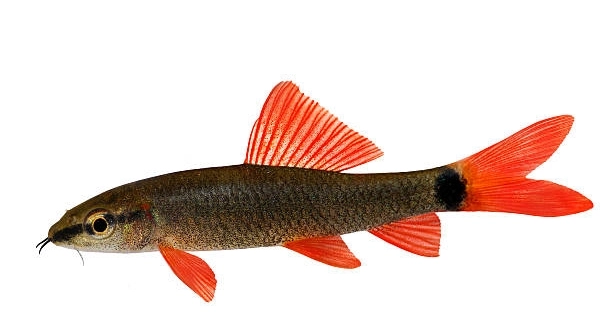
Are your rainbow sharks showing signs of stress or unusual behavior? Keeping these popular aquarium fish healthy requires careful attention to their environment and tank size. Knowing when to upgrade your tank is essential for their well-being.
Rainbow sharks need sufficient space to swim and establish territory. Signs such as frequent hiding, aggressive behavior, or poor growth indicate the tank is too small. Upgrading to a larger tank helps reduce stress and supports healthier development.
Recognizing these signs early can improve your fish’s quality of life and prevent long-term health problems. The following tips will help you determine when it’s time to provide more room.
Signs Your Rainbow Shark Is Outgrowing Its Tank
Rainbow sharks need space to swim actively and establish their own territory. When the tank is too small, they may start hiding more often or act aggressively toward other fish. You might notice your shark chasing tank mates or appearing restless. These behaviors often mean the fish is feeling cramped or stressed. Growth can also slow down if the tank does not provide enough room. Water quality might decline faster in a small tank, which can affect your fish’s health. Regular observation helps spot changes in behavior early. If your rainbow shark is not thriving, a bigger tank may be necessary to improve its living conditions and overall well-being.
Smaller tanks limit the swimming area, which impacts your rainbow shark’s activity and health. Upgrading the tank size provides more room for natural behavior.
Understanding how tank size affects behavior and growth is crucial. A larger tank supports better water quality, reduces stress, and allows your rainbow shark to move freely. This environment promotes a healthier, more active fish. Ensuring enough space can prevent common problems like aggression and stunted growth. The fish will also be less likely to develop diseases related to poor water conditions. A tank of at least 30 gallons is usually recommended for a single rainbow shark. Providing hiding spots and plants enhances the habitat, but space remains the key factor. Adjusting your tank size is a straightforward way to support your fish’s needs.
Monitoring Water Quality and Tank Conditions
Water conditions impact rainbow sharks more in small tanks. Frequent water changes become necessary to maintain good quality.
Proper tank size helps maintain stable water parameters and reduces harmful waste buildup. Smaller tanks can experience rapid changes in ammonia, nitrites, and nitrates. These changes cause stress and illness in rainbow sharks. Testing the water regularly is important to catch problems early. If you notice cloudy water, strong odors, or fish gasping at the surface, water quality might be poor. A larger tank dilutes waste more effectively, allowing beneficial bacteria to thrive. This biological filtration is essential for a healthy environment. Upgrading to a bigger tank improves the balance and keeps your fish comfortable. Regular maintenance combined with sufficient tank size will promote longevity and better health for your rainbow shark.
Increased Aggression and Territorial Behavior
Rainbow sharks often become more aggressive when confined in a small tank. This behavior is a clear sign they need more space to establish territories and reduce stress.
Aggression in rainbow sharks can manifest as chasing, nipping, or guarding specific areas in the tank. In cramped spaces, these fish feel threatened and react defensively. This behavior not only stresses the shark but can also harm other fish. Aggressive interactions can lead to injuries or weakened immune systems. A larger tank provides room for each fish to claim territory without constant conflict. Creating separate zones with plants or decorations also helps reduce aggression. Increasing the tank size is essential to maintain a peaceful environment for all aquatic inhabitants.
Territorial behavior often intensifies as the fish grows, making a bigger tank even more necessary over time. Proper space allocation improves overall tank harmony and fish health.
Poor Growth and Dull Colors
Stunted growth and faded coloration are signs your rainbow shark’s environment may be insufficient. These symptoms indicate stress or poor water conditions linked to tank size.
Rainbow sharks need enough room to swim actively and access proper nutrition. A cramped tank limits movement, which can stunt growth and cause dull colors. Stress from overcrowding weakens the immune system and reduces appetite. When your fish appears smaller than expected or loses its vibrant colors, it’s a sign to evaluate tank conditions. A larger tank allows for better water quality and more natural behavior, supporting healthier growth. Bright colors usually return when the fish is less stressed and in a more suitable environment. Maintaining good diet and tank conditions together enhances your rainbow shark’s appearance and vitality.
Frequent Hiding and Lethargy
When a rainbow shark hides more than usual, it often means the tank is too small or stressful. Lack of space makes them feel unsafe and limits their activity.
Lethargy is another sign of discomfort. Your fish might stay still at the bottom or in corners, showing low energy. This behavior can signal poor water quality or insufficient room to swim. Both factors stress the fish and reduce its well-being. Increasing tank size and improving the environment encourages more natural, active behavior.
Rapid Water Quality Deterioration
Small tanks accumulate waste quickly, causing water quality to drop faster. Ammonia and nitrite spikes are harmful and can stress or kill rainbow sharks.
Maintaining clean water in a larger tank is easier. The bigger volume dilutes toxins and stabilizes conditions, allowing beneficial bacteria to process waste more effectively. Regular testing and partial water changes help keep the environment safe and comfortable. A stable tank environment is critical to your rainbow shark’s health and longevity.
Difficulty Maintaining Stable Temperature
FAQ
How do I know if my rainbow shark is stressed from a small tank?
Signs of stress include frequent hiding, aggressive behavior, lack of appetite, and dull coloration. You may also notice lethargy or erratic swimming. These behaviors suggest the tank is too small or the environment is not suitable, causing discomfort to your fish.
Can a rainbow shark live happily in a 20-gallon tank?
A 20-gallon tank is generally too small for a rainbow shark. These fish need at least 30 gallons to swim freely and establish territory. Providing more space reduces stress, aggression, and supports healthy growth.
What tank size is ideal for multiple rainbow sharks?
If keeping more than one rainbow shark, aim for a tank of 55 gallons or larger. This size allows each fish to have its own territory and reduces aggressive interactions. Overcrowding can lead to stress and health issues.
How often should I change the water in a small tank?
In tanks smaller than 30 gallons, partial water changes of 20-30% should be done weekly to maintain water quality. Small tanks accumulate toxins faster, so frequent maintenance is necessary to keep the environment safe.
What water parameters are best for rainbow sharks?
Rainbow sharks prefer temperatures between 72°F and 79°F (22°C to 26°C). The pH should be between 6.5 and 7.5, and ammonia and nitrite levels must be at zero. Regular testing ensures the water remains within safe ranges.
Can plants help reduce stress for rainbow sharks?
Yes, plants provide hiding spots and help create natural territories, which can reduce aggression and stress. Live plants also improve water quality by absorbing nitrates and offering oxygen.
How do I introduce a rainbow shark to a new, larger tank?
Acclimate your fish slowly by floating the bag in the new tank to equalize temperature. Gradually add tank water to the bag over 20-30 minutes before releasing the fish. This reduces shock and helps your shark adjust smoothly.
Will a bigger tank reduce aggression completely?
A larger tank reduces aggression by giving fish space to avoid each other, but it may not eliminate all conflicts. Proper decoration and hiding spots help create boundaries and calm territorial behaviors.
Is poor growth always caused by tank size?
Not always. Poor growth can also result from inadequate diet, water quality, or disease. However, insufficient space is a common factor that limits swimming and stresses the fish, affecting growth.
How can I improve water quality in an overcrowded tank?
Increase filtration, perform more frequent water changes, and reduce feeding to prevent excess waste. However, upgrading to a larger tank is the most effective long-term solution.
What are the risks of keeping a rainbow shark in too small a tank?
Risks include chronic stress, aggressive behavior, stunted growth, weakened immune system, and increased susceptibility to disease. Poor water quality in a small tank further harms your fish’s health.
How long can a rainbow shark live with proper care?
With a suitable tank and good care, rainbow sharks can live up to 8-10 years. Adequate space and clean water are key factors in achieving this lifespan.
Can rainbow sharks be kept with other fish in the same tank?
Yes, but it requires a large tank and careful species selection. Avoid slow-moving or long-finned fish, as rainbow sharks can be territorial and nip at them. Providing enough space reduces conflict risks.
What tank decorations help rainbow sharks feel secure?
Rocks, caves, driftwood, and plants create hiding places and territories. These help reduce stress by giving the fish places to retreat and establish boundaries.
How often should I feed my rainbow shark?
Feed small amounts 1-2 times daily. Overfeeding leads to poor water quality and health issues. A varied diet including pellets, flakes, and occasional live or frozen foods supports good nutrition.
What should I do if my rainbow shark shows signs of illness?
Test water quality first and improve tank conditions. Quarantine sick fish if possible, and consult an aquarium specialist for proper diagnosis and treatment. Early intervention increases chances of recovery.
Final Thoughts
Caring for a rainbow shark means paying close attention to its environment, especially tank size. These fish need space to swim freely and feel comfortable. A small tank can cause stress, aggression, and poor health. Watching for signs like hiding, dull colors, and slow growth helps you know when your fish needs a bigger home. Meeting these needs is important to keep your rainbow shark healthy and active.
Upgrading to a larger tank improves water quality and reduces harmful waste buildup. Bigger tanks allow beneficial bacteria to grow, which helps maintain a stable environment. This stability lowers the risk of illness and stress for your fish. Along with regular water changes and testing, providing enough space supports your rainbow shark’s well-being. The right tank size gives your fish room to swim, explore, and behave naturally, which leads to a longer and healthier life.
Finally, tank size is just one part of good care. Proper diet, regular maintenance, and a well-decorated tank with hiding spots also play important roles. When all these factors come together, your rainbow shark can thrive. Paying attention to its behavior and condition will guide you in making the best decisions for its care. Ensuring a suitable tank size is a key step toward giving your rainbow shark a safe and comfortable home.

Hello,
If you enjoy the content that we create, please consider saying a "Thank You!" by leaving a tip.
Every little bit helps us continue crafting quality advice that supports the health, happiness, and well-being of pets around the world, for pets of all shapes, sizes, and species.
We really appreciate the kindness and support that you show us!