
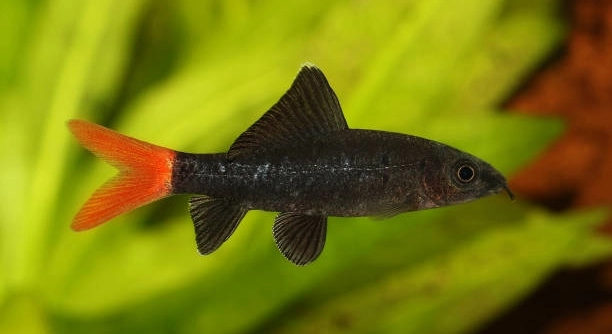
Rainbow Sharks are popular aquarium fish known for their vibrant colors and active behavior. However, they can become stressed due to changes in their environment or care routines. Recognizing signs of stress is important for their well-being and longevity.
Stress in Rainbow Sharks is often indicated by changes in behavior such as lethargy, loss of appetite, hiding excessively, clamped fins, rapid breathing, erratic swimming, or discoloration. Identifying these signs early allows for timely intervention and improved fish health.
Knowing how to spot these signs will help you create a healthier environment for your Rainbow Shark and prevent further stress-related issues.
Changes in Behavior
Rainbow Sharks normally swim actively around the tank. When they start to slow down or stay in one place for long periods, it can mean they feel stressed. They may hide more than usual, staying under decorations or plants. A stressed Rainbow Shark may also lose interest in food, refusing to eat even their favorite snacks. Another sign is clamped fins, where the fins stay close to the body instead of spreading out. Rapid breathing or gasping at the water surface is also a warning sign. These behavior changes should not be ignored because they indicate discomfort or poor water conditions. Observing your fish daily helps you spot these signs quickly. Prompt action can prevent illness or worse. Keep the tank clean and stable, and provide enough space and hiding spots. This helps Rainbow Sharks feel safe and lowers their stress.
Stress can reduce a Rainbow Shark’s immune system, making them more prone to diseases.
Watching for behavior changes ensures your fish stays healthy and happy in its environment.
Water Quality and Stress
Poor water quality can cause significant stress in Rainbow Sharks. They are sensitive to changes in pH, ammonia, nitrate, and nitrite levels. Even small shifts can upset their comfort and health. Dirty water often leads to oxygen depletion and toxin buildup, which puts extra pressure on the fish’s system. Maintaining clean water with regular testing and partial water changes is essential. Filters should run efficiently to keep the tank environment stable. Avoid overcrowding the tank, as it increases waste and lowers oxygen. Proper feeding also matters, as uneaten food can rot and harm water quality. Temperature swings should be avoided; keep the water within the recommended range for Rainbow Sharks. Consistent water parameters reduce stress and help Rainbow Sharks thrive in captivity.
If water quality is poor, Rainbow Sharks may show signs of stress such as gasping, lethargy, or faded colors. These symptoms are clear indicators that the tank needs immediate attention to protect your fish’s health.
Lack of Hiding Places
Rainbow Sharks need places to hide to feel secure. Without enough shelter, they become stressed and vulnerable. Hiding spots reduce their anxiety and allow them to rest.
Providing caves, plants, or decorations where your fish can retreat helps lower stress. These hiding places mimic natural environments and offer safety from tank mates that may bother them. Without this, Rainbow Sharks may swim nervously or remain in open areas, exposing them to more stress. Regularly rearranging decorations can also keep their environment interesting, which prevents boredom. Ensuring there are plenty of spots to hide creates a more balanced and comfortable tank environment for your Rainbow Shark.
When a Rainbow Shark has enough hiding places, it is less likely to show signs of stress like erratic swimming or loss of appetite.
Aggressive Tank Mates
Certain fish species can cause stress by chasing or nipping at Rainbow Sharks. Aggressive tank mates disrupt peace and safety in the tank.
Choosing compatible fish reduces conflict and stress. Rainbow Sharks prefer calm or similarly sized fish that do not compete aggressively for space or food. Aggression increases when the tank is too small, so providing ample room helps reduce stress caused by territorial disputes. Monitoring interactions and separating aggressive fish early prevents injuries and long-term anxiety. Sometimes adding more hiding spots can give stressed fish a chance to escape threats. Observing your fish’s behavior daily lets you identify problems before they worsen.
When aggression persists, consider changing the tank setup or fish to protect your Rainbow Shark’s well-being. Maintaining harmony in the tank supports healthier, less stressed fish.
Overcrowding
Overcrowding in the tank can quickly stress Rainbow Sharks. Too many fish compete for space and resources, leading to tension and discomfort.
Providing enough space is vital. A spacious tank helps reduce stress by allowing your Rainbow Shark to swim freely and avoid constant contact with other fish.
Poor Diet
Feeding a balanced diet is essential for Rainbow Shark health. Lack of proper nutrients weakens their immune system and increases stress.
Rainbow Sharks need a mix of high-quality pellets, flakes, and occasional live or frozen foods. Variety supports their nutrition and encourages natural foraging behavior.
Sudden Environmental Changes
Sudden changes in temperature, light, or water chemistry cause stress. Rainbow Sharks thrive in stable conditions.
Avoid rapid changes by maintaining consistent tank care routines and slowly adjusting any new elements.
FAQ
How can I tell if my Rainbow Shark is stressed?
Signs of stress include hiding more than usual, loss of appetite, clamped fins, erratic swimming, and faded colors. Your Rainbow Shark may also breathe rapidly or stay near the water surface. These behaviors show discomfort and can signal issues with water quality or tank environment.
What causes stress in Rainbow Sharks?
Stress often comes from poor water quality, overcrowding, aggressive tank mates, lack of hiding spots, sudden environmental changes, or an improper diet. Each of these factors disrupts their comfort and health, making them vulnerable to illness.
How often should I test my aquarium water?
Testing water weekly is ideal. Check ammonia, nitrite, nitrate, and pH levels. Consistent testing helps catch problems early before they affect your fish’s health. Regular partial water changes also maintain good water quality.
What tank size is best for a Rainbow Shark?
A minimum of 55 gallons is recommended. Rainbow Sharks are active swimmers and need space to move freely. A larger tank reduces stress caused by overcrowding and territorial behavior.
Can Rainbow Sharks live with other fish?
Yes, but choose peaceful, similarly sized species. Avoid aggressive or fin-nipping fish. Monitor interactions closely, especially at first, to prevent stress from bullying or fighting.
How can I reduce stress in my Rainbow Shark?
Keep the tank clean and stable with regular water changes. Provide hiding spots like caves or plants. Maintain consistent temperature and avoid sudden changes. Feed a balanced diet and avoid overcrowding.
What should I feed my Rainbow Shark?
Feed a mix of high-quality pellets or flakes designed for omnivores. Supplement with live or frozen foods like bloodworms or brine shrimp. A varied diet supports health and natural behavior.
How do I know if water quality is affecting my fish?
Signs include gasping at the surface, lethargy, and color fading. Test your water for toxins or pH swings. Poor water quality needs quick correction to prevent lasting damage.
Can stress cause illness in Rainbow Sharks?
Yes, prolonged stress weakens the immune system, making your fish more susceptible to diseases like ich or fin rot. Early detection and care are important to avoid serious health problems.
Is it normal for Rainbow Sharks to hide a lot?
Some hiding is normal, but excessive hiding indicates stress or discomfort. Ensure your tank offers plenty of shelter while also allowing enough open swimming space.
How important is tank decoration for stress reduction?
Very important. Decorations provide shelter and create a natural environment, which helps reduce anxiety. Change or add decorations occasionally to keep your fish engaged.
Can water temperature changes stress Rainbow Sharks?
Yes. Sudden temperature shifts cause shock and stress. Maintain a stable temperature between 74-79°F to keep your Rainbow Shark comfortable.
What should I do if my Rainbow Shark is stressed?
Identify and fix the cause—test water, adjust tank mates, add hiding places, or improve diet. Acting quickly helps your fish recover and stay healthy.
Rainbow Sharks are beautiful and active fish that can bring life to any aquarium. However, they are sensitive to their environment and can become stressed if their needs are not met. Stress can affect their health, behavior, and lifespan. It is important to watch for signs of stress such as hiding, loss of appetite, or unusual swimming patterns. Recognizing these early signs allows you to take action before the situation worsens. By providing a clean and stable tank environment, you help your Rainbow Shark feel safe and comfortable.
Maintaining good water quality is one of the most important steps in preventing stress. Regular testing and partial water changes keep harmful substances like ammonia and nitrites at safe levels. The tank should also be large enough to give your fish plenty of room to swim freely. Overcrowding causes competition and tension among fish, which can increase stress. Adding hiding spots such as plants, caves, or decorations gives your Rainbow Shark places to retreat when feeling threatened or tired. These small adjustments create a healthier, more balanced environment.
Feeding a balanced diet and choosing peaceful tank mates are also key to reducing stress. Rainbow Sharks thrive when they get a variety of nutritious foods and are not bullied by aggressive fish. Keeping the temperature and light consistent avoids sudden changes that can upset your fish. Stress is a natural response to difficult conditions, but with careful care and attention, it can be minimized. Ensuring your Rainbow Shark’s needs are met promotes a happier, healthier fish that can live a longer life in your aquarium.

Hello,
If you enjoy the content that we create, please consider saying a "Thank You!" by leaving a tip.
Every little bit helps us continue crafting quality advice that supports the health, happiness, and well-being of pets around the world, for pets of all shapes, sizes, and species.
We really appreciate the kindness and support that you show us!