
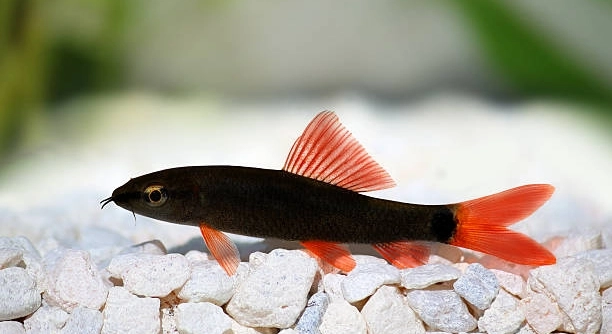
Rainbow sharks are popular aquarium fish known for their vibrant colors and active behavior. While they add life to a tank, their temperament can sometimes become aggressive. Knowing the signs of aggression is important for a peaceful aquatic environment.
Aggressive behavior in rainbow sharks includes chasing tank mates, fin nipping, and territorial disputes. Such actions can stress other fish and disrupt tank harmony. Monitoring these behaviors helps maintain a balanced and healthy aquarium community.
Identifying early warning signs can help prevent serious problems and keep your fish happy. This article explains key indicators to watch for when managing your rainbow shark’s behavior.
Signs of Chasing and Nipping
Rainbow sharks often show aggression by chasing other fish around the tank. This behavior can be stressful for the other fish, especially smaller or slower species. When your rainbow shark frequently swims aggressively after others, it is a clear sign of territorial behavior. Nipping at fins is another common indication. If you notice torn or ragged fins on your tank mates, your rainbow shark might be the cause. This behavior usually happens when the tank is overcrowded or there aren’t enough hiding spots for the fish. Providing ample space and decorations can sometimes reduce these aggressive tendencies. Watching your fish closely can help you spot these signs early, preventing injuries and stress in the tank.
Aggression like chasing and fin nipping is a strong signal that your rainbow shark needs better tank conditions or adjustments in its environment to reduce stress.
Keeping your tank properly arranged with places for other fish to hide can help minimize chasing. Also, avoiding overcrowding will make your rainbow shark less defensive and aggressive.
Territorial Behavior and Tank Size
Rainbow sharks are known to be territorial, especially in smaller tanks. When their space is limited, they feel the need to guard it more aggressively. A tank under 30 gallons often causes stress and competition for space. This leads to frequent confrontations and chasing. Increasing the tank size can make a big difference in calming aggressive behavior. It gives your rainbow shark enough room to establish its territory without constant fights. Besides size, the layout of the tank plays an important role. Adding plants, rocks, and decorations can break the line of sight between fish, which reduces territorial disputes. Regular observation and rearrangement of tank elements may be necessary to maintain peace. Keeping your tank spacious and well-decorated will improve the overall environment for all inhabitants.
Stress and Poor Water Conditions
Stress is a common cause of aggression in rainbow sharks. Poor water quality makes fish uneasy and more likely to act out. Keeping water clean and stable helps reduce stress and aggression.
Regular water changes and monitoring parameters like ammonia, nitrites, and pH are essential. Dirty water leads to weakened immune systems and irritability in fish. Ensuring the tank is cycled and well-filtered supports your rainbow shark’s health and temperament. Sometimes, even small changes in water conditions can trigger aggressive responses. Maintaining a consistent environment keeps your fish comfortable and less prone to attack tank mates.
Proper filtration and a regular cleaning schedule keep water conditions ideal. Testing your water weekly can catch problems early, preventing aggression caused by stress.
Lack of Hiding Spots
Rainbow sharks feel safer when there are plenty of hiding places. Without enough cover, they become more defensive and aggressive. Adding plants and decorations helps.
Providing caves, plants, and other hiding spots breaks up the tank space. This prevents the rainbow shark from seeing all other fish at once, reducing tension. Hiding places also give shy or smaller fish a chance to escape aggressive encounters. A well-decorated tank improves the mood of all fish and lowers territorial fights. Remember to create a balanced environment where your rainbow shark and tank mates can coexist peacefully. Sometimes rearranging decorations can refresh the tank and reduce stress-induced aggression.
Overcrowding Issues
Too many fish in one tank cause stress and aggression in rainbow sharks. Overcrowding limits space and increases competition for food and territory.
A crowded tank makes it hard for your rainbow shark to relax. It often leads to constant chasing and fighting, harming all the fish involved.
Incompatible Tank Mates
Some fish species don’t mix well with rainbow sharks. Aggression can increase if tank mates are too small, slow, or territorial themselves.
Choosing compatible fish helps reduce conflicts. Avoid housing rainbow sharks with overly passive or aggressive species to keep peace in your aquarium.
Lack of Proper Feeding
If rainbow sharks aren’t fed enough or on time, they can become aggressive. Hunger often triggers chasing and nipping behaviors.
How can I tell if my rainbow shark is too aggressive?
Aggression in rainbow sharks shows through chasing, fin nipping, and territorial guarding. If your fish frequently pursues others or damages their fins, these are signs of aggression. You might also notice hiding or stress behaviors in other tank mates as a response. Watching daily interactions helps catch early signs and prevent injuries.
What tank size is best to reduce aggression?
A tank of at least 30 gallons is recommended for a single rainbow shark. Larger tanks reduce territorial disputes by giving enough space for your fish to establish their own areas. More space also means less frequent encounters, which lowers stress and aggressive behavior.
Can tank decorations help with aggression?
Yes. Plants, rocks, and caves provide hiding spots and visual barriers that break line of sight between fish. This reduces the chance of constant confrontation and chasing. Rearranging decorations occasionally can also refresh the environment and lower tension.
Are certain fish better tank mates for rainbow sharks?
Choose peaceful, fast-swimming species that won’t compete directly for territory. Avoid slow or long-finned fish as they can become targets for nipping. Good tank mates include danios, barbs, and larger tetras that tolerate similar water conditions without provoking aggression.
How often should I feed my rainbow shark to prevent aggression?
Feeding your rainbow shark once or twice a day with a balanced diet keeps them satisfied and less likely to act out. Inconsistent feeding or hunger may increase chasing and fin nipping as they compete for food. Include sinking pellets and occasional live or frozen foods for variety.
What water parameters are ideal for rainbow sharks?
Maintain a temperature between 72°F and 79°F, pH around 6.5 to 7.5, and low ammonia and nitrites. Stable, clean water reduces stress and aggressive behavior. Regular testing and water changes help keep these parameters consistent.
Can overcrowding make my rainbow shark aggressive?
Yes, overcrowding causes stress and limits space, increasing competition and aggression. Keeping the tank properly stocked with compatible fish is essential. Overcrowded tanks often see more chasing and fighting, leading to injuries and poor fish health.
What signs indicate other fish are stressed by aggression?
Look for hiding, clamped fins, loss of color, and reduced appetite in tank mates. These are signs they are stressed by aggressive behavior. Injuries like torn fins or missing scales also suggest bullying. Addressing aggression quickly helps protect all fish.
How can I reduce aggression without changing the tank size?
Adding hiding spots, rearranging decorations, and choosing peaceful tank mates help reduce aggression. Improving water quality and feeding regularly also lowers stress. Sometimes, separating aggressive fish temporarily can calm the tank.
Is it normal for rainbow sharks to be aggressive sometimes?
Some level of aggression is natural, especially during feeding or territory defense. However, constant or severe aggression indicates an issue with environment, tank size, or companions. Monitoring and adjustments can keep aggression at a manageable level.
What should I do if my rainbow shark injures other fish?
Remove injured fish for treatment and isolate the aggressive shark if needed. Improve hiding spaces and check tank conditions. Consider increasing tank size or changing tank mates if aggression continues. Preventive care is key to maintaining harmony.
Rainbow sharks can be a lively and colorful addition to your aquarium, but their natural behavior sometimes leads to aggression. Understanding the reasons behind their actions is important for maintaining a peaceful tank. Aggression usually results from stress, territorial instincts, or environmental issues like overcrowding and poor water quality. By paying close attention to how your rainbow shark behaves and interacts with other fish, you can spot problems early and take steps to improve the situation.
Creating a suitable environment helps reduce aggressive behavior. Providing enough space in a tank of at least 30 gallons allows your rainbow shark to establish territory without constant conflict. Adding plenty of hiding spots with plants, rocks, or decorations helps break up open spaces and gives other fish places to retreat. Keeping the water clean and stable is also critical, as poor water quality raises stress and can worsen aggression. Feeding your rainbow shark a balanced diet on a regular schedule will help keep it calm and less likely to chase or nip at tank mates.
Managing aggression in rainbow sharks requires consistent care and observation. No single solution fits every situation, but combining good tank maintenance, proper feeding, and thoughtful tank mate choices usually leads to better results. If aggressive behavior continues despite your efforts, consider changes like increasing tank size or temporarily isolating the aggressive fish. A calm and healthy aquarium benefits all the fish, including your rainbow shark, so taking these steps ensures a better environment for everyone.

Hello,
If you enjoy the content that we create, please consider saying a "Thank You!" by leaving a tip.
Every little bit helps us continue crafting quality advice that supports the health, happiness, and well-being of pets around the world, for pets of all shapes, sizes, and species.
We really appreciate the kindness and support that you show us!