
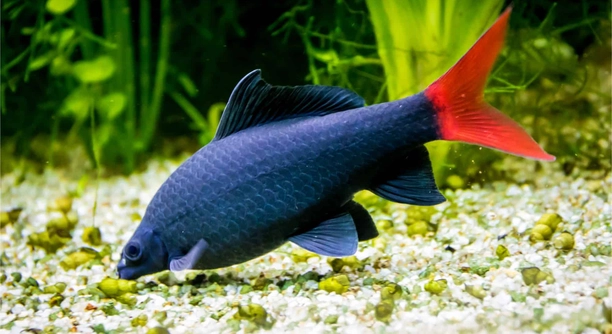
Rainbow sharks are popular aquarium fish known for their vibrant colors and active behavior. Many owners enjoy watching them swim and interact within their tanks. However, understanding their territorial tendencies is important to maintain a peaceful environment.
Rainbow sharks often display territorial behavior by patrolling specific areas, chasing away intruders, and showing aggressive postures toward other fish. These actions serve to protect their chosen space and establish dominance within the aquarium setting.
Recognizing these signs early can help you create a balanced tank where your rainbow shark and other fish coexist comfortably.
Signs of Chasing Behavior
Rainbow sharks often chase other fish when they feel their territory is threatened. This chasing can be quick and aggressive, especially toward smaller or similarly colored fish. You may notice your rainbow shark darting around the tank to push others away from certain areas, such as near decorations or plants. This behavior is natural but can cause stress for other fish if it happens too often. It is important to observe how your fish interact and look for repeated chasing episodes. If the chasing becomes constant, it might indicate your rainbow shark is feeling too confined or insecure in the tank.
Chasing helps rainbow sharks claim their space and warn other fish to keep away.
Monitoring the intensity and frequency of chasing can prevent tank conflicts. Adding more hiding spots or rearranging decorations can help reduce tension. Providing enough space and ensuring compatible tank mates also plays a key role. When rainbow sharks have a comfortable environment, chasing is less frequent and less stressful for everyone involved.
Aggressive Display and Color Changes
Rainbow sharks sometimes show aggression through body language and color changes. They may flare their fins, open their mouths, or puff up to appear larger and more intimidating. Their colors might become darker or more intense during these moments. These displays act as warnings to other fish to back off or stay away from their claimed area. Such behavior is common when the tank is crowded or when new fish are introduced. Recognizing these signals can help you understand when your rainbow shark feels threatened or territorial. Responding by giving your fish more space or separating aggressive individuals can improve tank harmony.
Aggressive displays are a clear way rainbow sharks communicate boundaries.
When aggressive behavior becomes frequent, it can lead to stress or injury for tank mates. Make sure the aquarium is large enough, ideally 30 gallons or more for one rainbow shark, to provide adequate space. Adding plants, rocks, or caves can create natural boundaries, allowing the fish to claim separate territories. Observe how your fish respond after rearranging the tank. Sometimes simply changing the environment can reduce aggressive displays. If problems persist, consider adjusting the number or species of fish to better match the rainbow shark’s temperament. Maintaining a peaceful tank requires balancing space, decoration, and fish compatibility carefully.
Territorial Marking with Fins
Rainbow sharks use their fins to mark territory by spreading them wide. This makes them look bigger and more dominant in their area.
This fin-spreading behavior often happens near favored spots like caves or plants. The shark will hold this pose for several seconds to signal to other fish to keep their distance. This display helps reduce actual fighting by establishing boundaries visually. Over time, you may notice your rainbow shark repeating this behavior around the same parts of the tank. This shows those areas are important and actively defended.
When the tank has enough space and hiding spots, this fin-marking becomes less intense. Fish can respect the territory without needing to escalate to chasing or aggression.
Changes in Feeding Behavior
Territorial rainbow sharks can become more aggressive or possessive during feeding times. They may rush to the food first and chase away other fish. This is a sign that they feel the feeding spot is part of their territory. Feeding aggression can increase stress for more timid tank mates and make meal times tense. Watching how your fish behave during feeding helps you see if territorial instincts are strong.
To manage this, try spreading food evenly throughout the tank rather than dropping it all in one place. Using feeding rings or multiple feeding points can reduce competition. Feeding smaller amounts more frequently also helps prevent one fish from dominating the food. This creates a calmer atmosphere and allows all fish to eat without conflict. Understanding how your rainbow shark behaves during feeding can improve overall tank harmony and reduce aggressive tendencies.
Defending Hiding Spots
Rainbow sharks protect their hiding spots fiercely. They may chase other fish away from caves, plants, or decorations where they like to rest.
These spots provide safety and comfort, making them highly valued. When a fish feels secure, it reduces overall stress and helps maintain its health.
Changes in Swimming Patterns
Territorial rainbow sharks often patrol the tank edges or specific routes repeatedly. This behavior helps them monitor their territory and spot intruders early. Patrolling shows their claim on the space and signals other fish to stay clear.
Signs of Stress in Other Fish
When a rainbow shark is territorial, other fish may hide more often or become less active. Watching these signs can help you know if aggression is affecting the tank’s balance.
FAQ
How can I tell if my rainbow shark is too territorial?
Signs include frequent chasing of tank mates, aggressive displays like fin spreading, and guarding specific spots such as caves or plants. Your rainbow shark may also patrol the same areas repeatedly and show increased aggression during feeding times. If other fish hide often or avoid certain parts of the tank, it could mean your rainbow shark’s territorial behavior is causing stress.
What tank size is ideal to reduce territorial behavior?
A tank of at least 30 gallons is recommended for one rainbow shark. Larger tanks provide more space for territories and reduce conflicts. More room allows the fish to spread out and claim separate zones, which lowers the chance of aggressive encounters.
Can tank decorations help with territorial disputes?
Yes. Adding plants, rocks, caves, or driftwood creates natural barriers and hiding spots. These help divide the tank into smaller territories and give less dominant fish places to escape. Rearranging decorations occasionally can also disrupt established territories and reduce ongoing aggression.
Is it normal for rainbow sharks to chase other fish?
Chasing is a natural territorial behavior in rainbow sharks. It serves to warn or push away intruders. However, excessive chasing can harm other fish and cause stress. Monitoring the frequency and intensity of chasing is important to maintain a healthy tank environment.
How should I feed a territorial rainbow shark?
Feed small amounts spread across multiple spots to reduce competition. Using feeding rings or scattering food prevents one fish from dominating the meal. Frequent, smaller feedings help keep aggression low and ensure all fish get enough nutrition.
Can I keep more than one rainbow shark together?
Keeping multiple rainbow sharks in the same tank is usually not recommended unless the tank is very large. They are territorial and often fight over space. If you try multiple sharks, provide a minimum of 55 gallons and plenty of hiding places to reduce conflict.
What other fish species are compatible with rainbow sharks?
Choose peaceful, fast-swimming fish that occupy different tank levels. Avoid slow-moving or small fish that might be targeted. Good companions include danios, barbs, and larger tetras. Always monitor interactions closely after introducing new fish.
How do I know if my rainbow shark is stressed from territorial fights?
Look for signs like faded color, hiding excessively, loss of appetite, or erratic swimming. Stress can weaken their immune system and lead to illness. If you see these symptoms, assess the tank setup and consider adjusting space, decorations, or tank mates.
Can rearranging the tank reduce territorial aggression?
Yes. Changing the layout disrupts established territories and forces the fish to reestablish boundaries. This can lower aggressive behaviors temporarily, giving all fish a fresh start. It’s a simple way to manage territorial disputes without removing fish.
When should I separate a particularly aggressive rainbow shark?
If aggression leads to injury or severe stress among tank mates, separation is necessary. Use a divider or move the aggressive fish to another tank. Early intervention prevents long-term harm and keeps the aquarium peaceful.
Final thoughts on managing a rainbow shark’s territorial behavior focus on creating a balanced and comfortable environment for all your fish. Understanding the natural instincts of rainbow sharks is key. These fish are naturally territorial and will defend their space to feel secure. This behavior is part of how they live and interact, so it’s important to recognize their signs and respond appropriately. By observing their actions carefully, you can spot early signs of aggression or stress and make adjustments before problems escalate.
Providing enough space is one of the most effective ways to reduce territorial conflicts. A larger tank allows your rainbow shark to claim its own area without constant competition. Along with space, adding plenty of hiding spots and natural barriers can help. Plants, rocks, and caves give your fish places to retreat and claim. This helps break up the tank into smaller territories, lowering the chances of direct confrontations. Rearranging decorations now and then can also shake up established territories and reduce aggressive behavior. These steps make the aquarium a more peaceful place for everyone.
Feeding routines also play a role in managing territorial behavior. Offering food in multiple locations and in smaller amounts spreads out the competition. This prevents one fish from dominating feeding time and reduces stress for others. Watching how your rainbow shark interacts with other fish during meals can give you clues about its level of aggression. Overall, a calm and well-planned tank setup goes a long way in keeping territorial behavior under control. When you create a balanced environment, your rainbow shark and other fish can coexist happily without constant stress or fighting.

Hello,
If you enjoy the content that we create, please consider saying a "Thank You!" by leaving a tip.
Every little bit helps us continue crafting quality advice that supports the health, happiness, and well-being of pets around the world, for pets of all shapes, sizes, and species.
We really appreciate the kindness and support that you show us!