
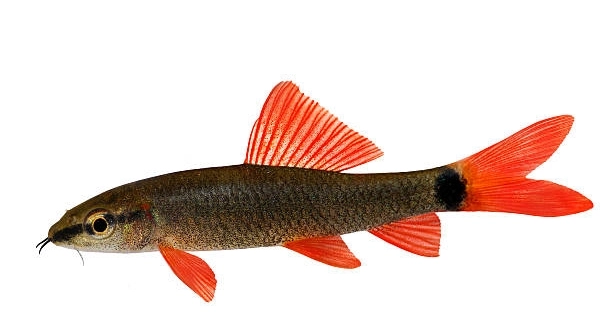
Are your rainbow sharks acting differently than usual in your aquarium? Many fish owners notice subtle signs that their fish may be having a hard time adjusting to their environment. Recognizing these signs early can help improve your fish’s health and comfort.
Rainbow sharks struggling to adapt often show changes in behavior, appetite, and physical appearance. These include lethargy, hiding more than usual, loss of color, and irregular swimming patterns. Monitoring these symptoms is crucial for timely intervention and care.
Understanding these signs can help you take better care of your rainbow shark and create a healthier tank environment for all your aquatic pets.
Changes in Swimming Behavior
When a rainbow shark struggles to adapt, its swimming behavior often changes noticeably. You might see your fish swimming erratically, darting around the tank, or staying mostly still at the bottom. Sometimes, it may swim near the surface or hide behind decorations more than usual. These changes usually mean your fish feels stressed or uncomfortable in its environment. Stress can come from many sources like water quality, tankmates, or temperature changes. It’s important to observe how your rainbow shark moves daily so you can catch any unusual patterns early. Adjusting the tank setup or water parameters often helps the fish feel more secure and swim more naturally again.
Fish that swim irregularly or hide excessively are likely experiencing discomfort or stress in the tank.
Watching for these behaviors is key to understanding how your rainbow shark is coping and when to take action.
Loss of Appetite
A rainbow shark that is struggling to adapt may stop eating or eat less than usual. This behavior can happen because stress affects their natural instincts, making them lose interest in food. Lack of appetite weakens the fish and can lead to other health problems. It’s important to offer a variety of foods and observe whether the fish accepts them. Sometimes, changing the feeding time or location within the tank encourages eating. If the fish refuses food for several days, testing the water and checking for diseases is necessary. Providing a calm environment and clean water helps restore the fish’s appetite, which is a good sign of recovery.
Visible Physical Changes
Physical changes in a rainbow shark can signal adaptation problems. Look for faded colors, torn fins, or unusual spots on its body. These signs often point to stress or illness that needs attention.
Fading color is common when a rainbow shark feels stressed or unwell. The fish’s vibrant red and black stripes may dull, making it look less lively. Torn or frayed fins could be caused by tankmates or poor water conditions, which damage the delicate fin edges. White spots or patches might indicate infections like ich or fungal problems. Noticing these changes early allows you to act quickly by improving water quality, adjusting tank mates, or treating the fish with appropriate medicine. Keeping the tank clean and stable helps prevent these physical problems.
Checking for wounds or unusual growths is also important. These can result from injuries or parasites and affect your fish’s overall health. Healing wounds need a clean environment and sometimes medication. Parasites may require specific treatments, so identifying these issues promptly is essential. Regular observation keeps your rainbow shark healthier and more comfortable in its tank.
Excessive Hiding
Excessive hiding is a clear sign your rainbow shark is struggling to adapt. If it spends too much time under rocks or plants, it’s likely feeling stressed or unsafe in its surroundings.
Rainbow sharks naturally enjoy some hiding spots, but if your fish hides more than usual, it may indicate discomfort. Changes in water temperature, poor water quality, or aggressive tankmates can cause this behavior. The fish may also hide if the tank lighting is too bright or if it feels threatened. Reducing stress factors, such as adjusting the tank setup or removing aggressive fish, often helps. Providing plenty of hiding spaces and keeping the water stable encourages the rainbow shark to come out and explore more, showing it feels better in its environment.
Erratic Swimming Patterns
Erratic swimming is a common sign of stress in rainbow sharks. This includes sudden bursts of speed, swimming in circles, or crashing into tank decorations.
Such behavior often results from poor water conditions or illness. It’s important to check water quality and remove any potential sources of stress immediately.
Gasping at the Surface
Gasping at the water’s surface can indicate low oxygen levels or poor water quality. This behavior means the fish is struggling to breathe properly.
Improving aeration, performing water changes, and ensuring a clean tank environment help reduce this problem. Regular maintenance is key to preventing oxygen deficiency.
Clamped Fins
Clamped fins show when a rainbow shark pulls its fins close to its body. This is often a response to discomfort or poor tank conditions.
How can I improve my rainbow shark’s adaptation to a new tank?
To help your rainbow shark settle in, focus on creating a stable, clean environment. Keep the water temperature between 74 and 80°F and maintain a pH level around 6.5 to 7.5. Perform regular water changes, about 20% weekly, to keep the tank clean. Provide hiding spots using plants, rocks, or decorations so the fish feels secure. Avoid overcrowding the tank and choose peaceful tankmates to reduce stress. Gradually introduce your rainbow shark to its new home to prevent sudden changes. Monitoring water parameters and observing your fish daily will help you spot any signs of struggle early on.
What are common causes of stress in rainbow sharks?
Stress in rainbow sharks usually comes from poor water quality, incompatible tankmates, or sudden environmental changes. High levels of ammonia, nitrites, or nitrates can irritate fish and weaken their immune system. Aggressive or overly active fish can bully your rainbow shark, causing it to hide or stop eating. Bright lighting or a lack of hiding places may also cause stress. Additionally, sudden changes in temperature or water chemistry can upset your fish. Keeping a stable, clean, and peaceful tank environment minimizes stress and helps your rainbow shark thrive.
How do I know if my rainbow shark is sick?
Signs of illness in a rainbow shark include loss of appetite, faded colors, clamped fins, and abnormal swimming patterns like darting or sluggish movement. Physical symptoms such as white spots, fuzzy patches, or torn fins also point to disease. If your fish isolates itself or gasps at the surface often, it might be sick. Always test your water first, as poor conditions can cause many symptoms. If illness is suspected, quarantining the fish and treating it with appropriate medications can prevent the problem from spreading.
Can poor water quality affect my rainbow shark’s health?
Yes, poor water quality is one of the biggest threats to your rainbow shark’s health. High ammonia or nitrite levels are toxic and can cause gill damage, lethargy, and even death. Excess nitrates contribute to stress and weaken the immune system. Dirty tanks encourage harmful bacteria and parasites that cause diseases. Regular water changes, proper filtration, and testing are essential to maintaining good water quality. Keeping the tank clean helps your rainbow shark stay healthy and adapt better to its environment.
Is it normal for rainbow sharks to hide a lot?
Rainbow sharks do like to hide sometimes, especially during the day, as they are naturally shy and nocturnal. However, if hiding becomes excessive, it might signal stress or illness. Changes in water parameters, aggressive tankmates, or poor lighting can cause your fish to seek shelter constantly. Providing plenty of hiding spots is good, but if your rainbow shark rarely comes out to eat or swim, you should check for possible problems. Ensuring a calm, stable tank encourages your fish to be more active and comfortable.
What foods are best for a rainbow shark struggling to eat?
Offering a varied diet can help stimulate appetite in a stressed rainbow shark. High-quality sinking pellets formulated for omnivores should be the base of the diet. Supplement with frozen or live foods like bloodworms, brine shrimp, and daphnia to entice eating. Fresh vegetables such as blanched zucchini or spinach can also be offered occasionally. Feeding smaller amounts more frequently may encourage your fish to eat. Avoid overfeeding and remove uneaten food to keep the tank clean. A balanced diet supports recovery and helps the fish regain strength.
How often should I test my aquarium water for a rainbow shark?
Testing your aquarium water once a week is a good routine, especially if you keep sensitive fish like rainbow sharks. Check for ammonia, nitrite, nitrate levels, pH, and temperature. Frequent testing helps catch issues early before they harm your fish. If you notice unusual behavior or signs of stress, test the water immediately. Keeping a log of test results can help you track any changes and improve tank management. Consistent water quality monitoring is key to preventing adaptation problems in your rainbow shark.
Can tankmates affect how well my rainbow shark adapts?
Yes, tankmates have a big impact on how comfortable your rainbow shark feels. Aggressive or territorial fish can bully it, causing stress and hiding behavior. It’s best to keep rainbow sharks with peaceful or semi-aggressive fish of similar size. Avoid slow-moving or long-finned fish that may become targets. Providing enough space and hiding spots also reduces conflict. When introducing new fish, observe interactions closely to ensure harmony. A peaceful community tank helps your rainbow shark adapt faster and stay healthy.
What should I do if my rainbow shark stops swimming properly?
If your rainbow shark shows erratic swimming, stays at the bottom, or floats near the surface, check the water quality immediately. Poor water conditions or illness are common causes. Improve aeration and perform a partial water change. Observe for signs of disease like spots or fin damage. Isolate the fish if you suspect infection and treat with appropriate medications. Adjust tank conditions to reduce stress and maintain stable temperature. Prompt action improves chances of recovery and helps your fish regain normal swimming behavior.
How can I reduce stress in my rainbow shark?
Reducing stress starts with maintaining excellent water quality through regular cleaning and testing. Avoid overcrowding and choose compatible tankmates to prevent bullying. Provide plenty of hiding places so your fish can feel secure. Keep lighting moderate and avoid sudden changes in temperature or water chemistry. Feed a balanced diet and maintain a consistent feeding schedule. Handling the tank gently and minimizing loud noises near the aquarium also helps. These steps create a calm environment, making it easier for your rainbow shark to adapt and thrive.
When you keep a rainbow shark in your aquarium, paying attention to how it adapts is very important. These fish can show many signs when they are having trouble adjusting, like changes in behavior, appetite, and appearance. Watching your fish closely every day helps you notice if something is wrong early on. When problems are caught early, you can take steps to fix them before they become serious. Simple changes such as improving water quality, offering hiding places, and feeding the right foods often make a big difference in how well your rainbow shark adjusts.
Maintaining a stable and clean tank environment is one of the best ways to support your rainbow shark’s health. Regular water testing and water changes keep harmful substances out of the tank and create a better home for your fish. Choosing peaceful tankmates and avoiding overcrowding also reduce stress. Stress is one of the main reasons rainbow sharks struggle to adapt, so minimizing it helps your fish stay active and healthy. Making sure the temperature and pH levels stay within the right range for rainbow sharks is also key. A calm and balanced environment encourages your fish to explore and behave naturally.
Taking care of a rainbow shark means being patient and observant. Each fish can react differently to its surroundings, so what works for one might need some adjustment for another. Learning to recognize signs of stress or illness early allows you to act quickly and give your fish the care it needs. Providing a proper diet and a safe, comfortable tank will help your rainbow shark grow strong and happy. Keeping these things in mind will give your fish the best chance to adapt and live well in your home aquarium.

Hello,
If you enjoy the content that we create, please consider saying a "Thank You!" by leaving a tip.
Every little bit helps us continue crafting quality advice that supports the health, happiness, and well-being of pets around the world, for pets of all shapes, sizes, and species.
We really appreciate the kindness and support that you show us!