
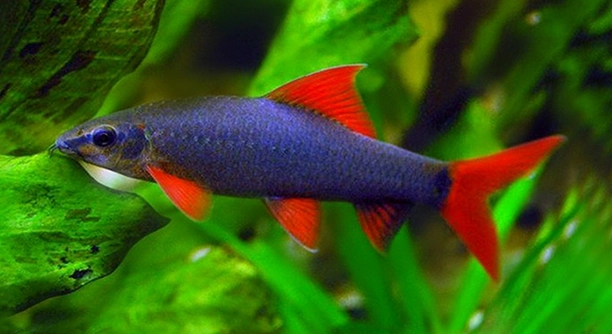
Rainbow sharks are popular aquarium fish known for their bright colors and active nature. Many owners enjoy watching them swim, but these fish can experience stress that affects their health. Recognizing stress early helps keep them happy and healthy.
Rainbow sharks show stress through changes in behavior, appetite, and physical appearance. Signs include hiding more often, losing color vibrancy, rapid gill movement, and reduced activity. These symptoms indicate the fish is uncomfortable and may need immediate care.
Knowing how to spot stress in your rainbow shark can improve its quality of life and prevent serious health problems down the line.
Changes in Behavior
When a rainbow shark is stressed, its behavior shifts noticeably. Normally active and curious, the fish may start hiding behind decorations or staying at the tank bottom for long periods. You might see it darting nervously or swimming erratically. It may also avoid other fish, showing signs of aggression or withdrawal. These changes often occur when the tank environment is not ideal—like poor water quality, overcrowding, or sudden changes in temperature. Stress weakens the fish’s immune system, making it more vulnerable to disease. Paying attention to these behavior shifts can help catch problems early before they become severe. It’s important to create a calm, stable environment to reduce stress and support your rainbow shark’s natural habits.
Stress often causes a rainbow shark to act differently, either hiding or showing signs of agitation.
Watching your fish closely can help you identify early stress signals and adjust tank conditions to improve its well-being.
Loss of Appetite
A common sign of stress in rainbow sharks is a reduced appetite. When stressed, these fish may eat less or refuse food altogether. This can happen due to water quality issues, illness, or uncomfortable tank mates. Not eating weakens the fish, causing it to lose energy and color vibrancy. Regular feeding schedules and monitoring food intake are important to spot appetite changes. If your rainbow shark stops eating, check the water parameters like pH, ammonia, and nitrite levels immediately. Sometimes, stress can come from sudden changes in the tank environment or from aggressive fish. Removing stressful elements or isolating the rainbow shark temporarily may encourage eating. In some cases, consulting a vet or aquatic specialist might be necessary if appetite loss persists. Maintaining a clean, stable environment is the best way to support healthy eating habits.
Color Fading
Stress often causes rainbow sharks to lose their bright colors. When stressed, their vibrant red or orange fades to dull or pale shades. This is a clear sign that something in the tank environment is not right.
Color fading happens because stress affects the fish’s ability to produce pigments. Poor water quality, overcrowding, or aggressive tank mates can cause this. When a fish is stressed, its body focuses energy on survival rather than maintaining color. This loss of vibrancy can signal illness or discomfort. Regular water changes and monitoring tank conditions help prevent color fading.
If the fading persists, it might mean the stress is ongoing or that the fish is ill. Checking water parameters, improving filtration, and reducing stressors can help restore color. Providing hiding spots and ensuring peaceful tank mates support recovery and overall health.
Rapid Gill Movement
Rapid gill movement is a clear sign that a rainbow shark is stressed or struggling to breathe. This usually happens when oxygen levels are low or water quality is poor.
When gills move faster than normal, it indicates the fish is trying to get more oxygen. This can result from high ammonia or nitrite levels, overcrowding, or inadequate aeration in the tank. If the fish is gasping at the surface, it’s a serious warning. Immediate water testing and improvement are needed to avoid harm.
To help your rainbow shark, increase water circulation and add an air stone if necessary. Perform partial water changes to reduce toxins. Make sure the tank isn’t overcrowded and that filtration is effective. Addressing these issues quickly will help your fish breathe easier and reduce stress.
Erratic Swimming
Erratic swimming is a common stress sign in rainbow sharks. The fish may swim quickly in circles or crash into tank decorations.
This behavior can mean the fish is uncomfortable or confused. It often happens when water conditions change suddenly or when there are aggressive tank mates.
Hiding More Than Usual
Rainbow sharks that hide frequently are likely stressed. They may stay out of sight for hours or avoid swimming openly. This behavior suggests the fish feels threatened or insecure in its environment.
Physical Damage
Visible injuries or torn fins often show stress in rainbow sharks. Fighting with other fish or bumping into objects can cause this damage. Physical damage needs immediate attention to prevent infection and further harm.
FAQ
How can I improve my rainbow shark’s environment to reduce stress?
Improving the environment starts with maintaining clean water. Regular water changes, around 20-30% weekly, help keep ammonia and nitrite levels low. Use a reliable water test kit to monitor parameters like pH, temperature, and hardness. Keep the tank temperature stable, ideally between 74°F and 79°F. Provide plenty of hiding spots with plants, rocks, or decorations to help the fish feel secure. Avoid overcrowding the tank; a 30-gallon or larger tank is best for rainbow sharks. Make sure tank mates are peaceful and not aggressive. Good filtration and proper aeration also reduce stress by keeping water clean and oxygen levels high.
What are common tank mates that stress rainbow sharks?
Rainbow sharks can be territorial, especially as they grow. Aggressive or very active fish like larger cichlids or goldfish may stress them. Small, timid fish might also cause stress if the shark feels threatened or crowded. Avoid keeping multiple rainbow sharks together unless the tank is very large with plenty of hiding places. Suitable tank mates include peaceful, medium-sized fish such as tetras, danios, or gouramis. It’s important to observe interactions regularly and separate fish if signs of stress or aggression appear.
Why is my rainbow shark hiding constantly?
Hiding is a natural behavior, but if your rainbow shark is hiding most of the time, it’s likely stressed. This can happen due to poor water quality, bullying from other fish, or lack of hiding places. Sudden changes in water temperature or tank setup may also cause hiding. To help, check water parameters immediately and improve filtration if needed. Add more plants or decorations to create safe spaces. Make sure the fish is not being chased or harassed by tank mates. Reducing noise and vibrations near the tank can also help the fish feel more secure.
How do I tell if my rainbow shark is sick or just stressed?
Stress and illness can look similar, but sickness usually shows additional symptoms like white spots, fin rot, swollen body, or labored breathing. If your rainbow shark loses appetite, has faded colors, or swims erratically, these can be signs of both stress and disease. Stress weakens the immune system, making sickness more likely. If you notice physical symptoms or worsening behavior, quarantine the fish and consult an aquatic veterinarian. Improving water quality and reducing stressors can prevent many illnesses before they start.
Can changing the tank setup help reduce stress?
Yes, changing the tank setup can make a big difference. Adding hiding spots like caves, plants, or decorations gives the rainbow shark places to retreat. Rearranging decorations occasionally prevents territorial fights, as the fish won’t feel the need to defend fixed boundaries. Keep the tank lid secure to prevent jumping, which can be caused by stress. Also, position the tank away from direct sunlight, loud noises, or high traffic areas to reduce disturbances. Consistent lighting cycles help the fish maintain a natural rhythm, further reducing stress.
What role does diet play in stress management?
A balanced diet helps keep your rainbow shark healthy and less prone to stress. Feed high-quality sinking pellets or wafers designed for bottom feeders. Supplement with occasional treats like bloodworms, brine shrimp, or blanched vegetables. Avoid overfeeding, as leftover food can pollute the water and cause stress. Feeding small amounts twice daily is ideal. If your fish refuses food, try changing the diet or feeding at different times. Proper nutrition supports the immune system, helping the fish cope better with environmental stressors.
How often should I test the water to prevent stress?
Testing the water once a week is recommended to keep track of ammonia, nitrite, nitrate, and pH levels. Regular checks help catch problems early before they stress your fish. After any major changes like new fish introduction or tank cleaning, test more frequently for a few days. Use a reliable test kit and record results to notice trends. Keeping water parameters stable is key to preventing stress and illness in rainbow sharks.
Is it normal for rainbow sharks to be aggressive when stressed?
Yes, stress can increase aggression in rainbow sharks. When they feel threatened or crowded, they may chase or nip other fish. This behavior often arises from limited space or poor tank conditions. Reducing stress by improving the environment, providing hiding spots, and ensuring compatible tank mates helps lower aggression. If aggression continues, consider separating the aggressive fish to prevent injuries. Managing stress is the best way to maintain peace in the aquarium.
Final thoughts on caring for your rainbow shark focus on the importance of paying attention to its well-being. Stress in these fish can show in many ways, from changes in behavior to physical signs like color fading or rapid gill movement. Noticing these signs early helps prevent bigger problems. Keeping the tank clean, maintaining stable water conditions, and providing a peaceful environment are the best ways to keep your fish healthy and stress-free. When the fish is comfortable, it shows through its bright colors and active swimming.
It is important to remember that rainbow sharks are sensitive to their surroundings. Sudden changes in water temperature or quality can cause stress quickly. Overcrowding or aggressive tank mates can also make the fish feel unsafe. Providing plenty of hiding places and choosing suitable companions help reduce anxiety. Feeding a balanced diet regularly supports their immune system, making them stronger against illness. If you see your rainbow shark hiding more than usual or refusing food, it could be a sign to check the tank conditions or review the fish’s environment.
Taking time to observe your rainbow shark daily allows you to catch early signs of stress and take action. Small changes, like adding more plants or adjusting water flow, can make a big difference in how comfortable your fish feels. Remember that maintaining a calm and stable tank is key to preventing stress. If problems persist, seeking advice from aquatic experts or veterinarians can help. Overall, good care, attention, and a stress-free environment give your rainbow shark the best chance to thrive and live a healthy life.

Hello,
If you enjoy the content that we create, please consider saying a "Thank You!" by leaving a tip.
Every little bit helps us continue crafting quality advice that supports the health, happiness, and well-being of pets around the world, for pets of all shapes, sizes, and species.
We really appreciate the kindness and support that you show us!