
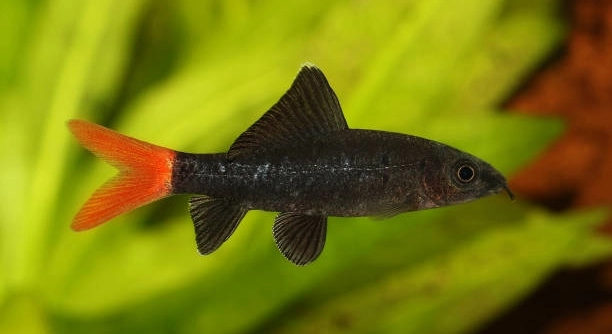
Rainbow Sharks are popular freshwater fish known for their vibrant colors and active behavior. They can show signs of stress or illness that affect their health and well-being. Recognizing these signs early helps maintain a healthy aquarium environment.
Stress and illness in Rainbow Sharks can be identified by changes in behavior, appearance, and appetite. Common indicators include faded colors, erratic swimming, clamped fins, loss of appetite, and visible physical damage. Monitoring these symptoms allows timely care and treatment to prevent worsening conditions.
Knowing the signs of distress can improve your fish’s health and create a more balanced tank. This guide will help you spot the most common indicators effectively.
Changes in Color and Appearance
When a Rainbow Shark is stressed or sick, its vibrant colors often fade or become dull. This change can be subtle at first but becomes more noticeable over time. You may also see white spots, red streaks, or patches on the body or fins, which can indicate infections or parasites. Sometimes the fins may look clamped or damaged, and scales might appear raised or rough. These signs suggest the fish is not feeling well and needs attention. Keeping the tank clean and checking water parameters regularly can help prevent many problems related to poor appearance.
A healthy Rainbow Shark usually has bright colors and smooth fins. Dullness and damage should not be ignored as they point to stress or illness.
Being attentive to your fish’s color and physical condition helps catch problems early. This allows you to take steps such as improving water quality or seeking treatment before the situation worsens.
Changes in Behavior
When Rainbow Sharks are stressed, their behavior changes noticeably. They may swim erratically or hide more than usual. You might notice them rubbing against objects or gasping at the water surface. Reduced activity and loss of appetite are common signs of distress.
These behaviors are signals that something in their environment might be wrong.
Erratic swimming can indicate discomfort caused by poor water conditions, parasites, or injury. Hiding often shows that the fish feels threatened or overwhelmed. When Rainbow Sharks lose their appetite, it often means they are fighting illness or stress. Monitoring these behavior changes closely is important for timely intervention. Adjusting tank conditions, checking water parameters, and removing aggressive tank mates can reduce stress. In some cases, medication might be necessary to treat infections or parasites causing these symptoms. Recognizing and addressing behavioral changes helps ensure your Rainbow Shark stays healthy and comfortable in its tank.
Loss of Appetite
Loss of appetite is a clear sign that your Rainbow Shark is under stress or sick. When they stop eating or eat less than usual, it often means their health is compromised.
A Rainbow Shark that refuses food may be dealing with internal parasites, bacterial infections, or poor water quality. Sometimes, stress from overcrowding or aggressive tank mates also causes them to stop eating. When appetite decreases, the fish weakens quickly, making it harder for them to fight illness. Observing feeding behavior regularly helps catch these issues early.
If your Rainbow Shark consistently avoids food, check the tank environment and water parameters immediately. Improving tank conditions or consulting a vet might be necessary to restore their appetite and health.
Erratic Swimming Patterns
Erratic swimming is a common indicator of stress or illness in Rainbow Sharks. Sudden, uncontrolled movements or constant darting around the tank show that the fish is uncomfortable or in pain.
Such behavior often results from poor water quality, parasites, or injuries. It can also be a response to strong currents or aggressive tank mates. When the fish struggles to swim normally, it uses extra energy, weakening its immune system. This behavior requires prompt attention to identify and fix the underlying cause.
Addressing erratic swimming involves testing water parameters for ammonia, nitrites, and nitrates. Ensure the tank is not overcrowded, and remove any aggressive fish. Sometimes, medication is needed to treat infections or parasites causing the abnormal swimming. Taking quick action can improve your Rainbow Shark’s well-being and prevent further complications.
Clamped Fins
Clamped fins are a common sign that your Rainbow Shark is stressed or sick. When fins stay close to the body instead of spreading out, it indicates discomfort or illness.
This behavior often occurs due to poor water conditions, infections, or parasites. It’s important to check water quality and look for other symptoms if you notice clamped fins.
Gasping at the Surface
Gasping at the water surface usually means your Rainbow Shark is struggling to get enough oxygen. This can happen when the oxygen levels in the tank are low or water quality is poor.
Improving aeration and performing regular water changes can help reduce this behavior. Ensuring a clean and well-oxygenated environment is key to preventing oxygen deprivation.
Physical Damage
Physical damage, such as torn fins or wounds, often results from fights with other fish or rough tank conditions. Injuries increase the risk of infection and further health problems.
Inspect your Rainbow Shark regularly for any signs of injury. Providing enough space and avoiding aggressive tank mates helps reduce physical harm and supports recovery.
FAQ
How can I improve my Rainbow Shark’s environment to reduce stress?
Improving your Rainbow Shark’s environment starts with maintaining clean water. Regular water changes and monitoring parameters like pH, ammonia, nitrites, and nitrates are essential. Ensure the tank is large enough with plenty of hiding spots. Avoid overcrowding and keep aggressive fish separate. Proper filtration and gentle water flow also help keep stress low.
What are common signs that indicate a sick Rainbow Shark?
Common signs include faded colors, clamped fins, loss of appetite, erratic swimming, gasping at the surface, and physical damage like torn fins or wounds. These symptoms suggest illness or poor water conditions that need immediate attention.
How often should I check water parameters for my Rainbow Shark?
Checking water parameters once a week is recommended, but if your fish shows signs of stress or illness, test more frequently. Regular monitoring helps catch problems early and keeps the tank environment stable.
Can diet affect the health of my Rainbow Shark?
Yes, diet plays a crucial role in their health. Providing a varied diet with quality pellets, frozen or live foods, and occasional vegetables ensures proper nutrition. Poor diet can weaken the immune system and cause health issues.
What should I do if I notice physical damage on my Rainbow Shark?
Isolate the injured fish if possible to prevent further harm and infection. Keep the tank clean and consider using aquarium salt or medication recommended for wounds. Avoid aggressive tank mates to reduce risk of injury.
Is it normal for Rainbow Sharks to hide a lot?
Rainbow Sharks do enjoy hiding, especially in caves or plants. However, excessive hiding combined with other symptoms like loss of appetite or color fading may indicate stress or illness.
How can I tell if erratic swimming is caused by stress or illness?
Erratic swimming caused by stress often occurs after a sudden change in environment or introduction of new tank mates. Illness-related erratic swimming is usually accompanied by other symptoms like clamped fins, lethargy, or visible signs of disease.
Are Rainbow Sharks sensitive to water temperature changes?
Yes, Rainbow Sharks prefer stable temperatures between 72°F and 79°F (22°C–26°C). Sudden fluctuations can cause stress and weaken their immune system, making them more prone to illness.
What are common diseases that affect Rainbow Sharks?
Common diseases include ich (white spot disease), fin rot, bacterial infections, and parasites. Most are linked to poor water quality or stress and can be treated with appropriate medication and tank maintenance.
Can stress cause permanent damage to my Rainbow Shark?
Prolonged stress can weaken the immune system, making fish vulnerable to infections and diseases. If not addressed, this can lead to permanent health issues or even death.
How can I safely treat my Rainbow Shark at home?
Start by improving water quality and isolating the fish if needed. Use medications specifically designed for the identified problem, following package instructions carefully. Consult with an aquatic veterinarian for serious conditions.
Is it necessary to quarantine new fish before adding them to my tank?
Yes, quarantining new fish for at least two weeks helps prevent introducing diseases or parasites to your established tank. This step protects all your fish and reduces stress from sudden changes.
What tank mates are best for Rainbow Sharks?
Choose peaceful, fast-swimming fish that occupy different tank levels. Avoid aggressive or slow-moving fish that may stress the Rainbow Shark or become targets of its territorial behavior.
Can poor water quality cause all the signs of stress and illness?
Poor water quality is a major factor that causes stress and illness in Rainbow Sharks. High ammonia, nitrites, or nitrates and incorrect pH levels can lead to symptoms like faded color, clamped fins, and erratic swimming.
How long does it take for a Rainbow Shark to recover from stress or illness?
Recovery time varies depending on the cause and severity. Minor stress may improve in a few days with better conditions, while illness might require weeks of treatment and care.
What are the best practices to prevent Rainbow Shark stress?
Keep the tank clean, maintain stable water parameters, provide adequate space, choose compatible tank mates, and feed a balanced diet. Regular observation helps detect problems early before stress becomes severe.
Final Thoughts
Taking care of a Rainbow Shark means paying close attention to its behavior and appearance. These fish are sensitive to changes in their environment, and signs of stress or illness can appear quickly. By regularly checking their colors, fins, swimming patterns, and appetite, you can catch potential problems early. Acting promptly when you notice any unusual changes helps prevent more serious health issues. Maintaining a clean and stable tank with proper water conditions is one of the best ways to keep your Rainbow Shark healthy.
Understanding what causes stress in Rainbow Sharks is important. Poor water quality, overcrowding, aggressive tank mates, and sudden changes in the tank environment can all contribute to stress. Stress weakens the fish’s immune system, making it more vulnerable to diseases and infections. Providing enough space, hiding places, and a calm tank environment helps reduce stress. Feeding a balanced diet with good-quality food also supports their overall health and immune defenses.
Keeping a Rainbow Shark healthy requires attention and care but is very rewarding. Observing their behavior daily and performing routine tank maintenance ensures they live comfortably. If you notice signs of illness, addressing the problem quickly can improve their chances of recovery. With proper care, your Rainbow Shark can remain active, colorful, and a vibrant addition to your aquarium for years to come.

Hello,
If you enjoy the content that we create, please consider saying a "Thank You!" by leaving a tip.
Every little bit helps us continue crafting quality advice that supports the health, happiness, and well-being of pets around the world, for pets of all shapes, sizes, and species.
We really appreciate the kindness and support that you show us!