
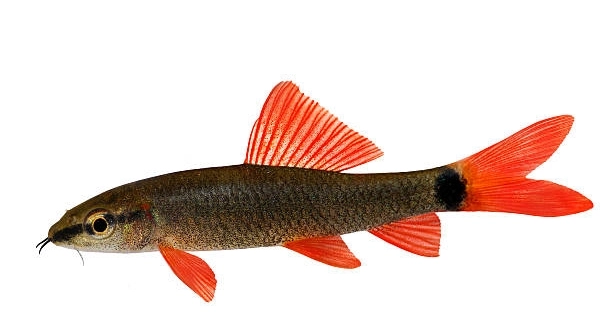
Caring for a rainbow shark means knowing when it feels unwell. These colorful fish can show subtle signs if they are in pain or distress. Recognizing these signs early helps keep them healthy and comfortable.
Rainbow sharks in pain often display changes in behavior, appetite, swimming patterns, or physical appearance. Signs include lethargy, loss of appetite, erratic swimming, visible injuries, or discoloration. Prompt attention to these symptoms is essential for effective care and recovery.
Knowing the common signs of discomfort in your rainbow shark can improve its well-being. Understanding these clues will help you respond quickly and ensure your fish stays happy and healthy.
Changes in Swimming Behavior
Rainbow sharks usually swim calmly near the bottom of the tank. If you notice your fish darting wildly, swimming erratically, or hiding more than usual, these can be signs of pain or discomfort. Sometimes, they might float near the surface or rest on the bottom for long periods. These behaviors suggest the fish is struggling. It’s important to observe these changes early. Sudden shifts in activity often mean something is wrong, whether it’s an injury, illness, or water quality issues. Keeping the tank clean and stable helps prevent many problems that cause such behaviors. If your rainbow shark’s swimming patterns change drastically, it’s a sign to check water conditions and health immediately.
Erratic or slowed swimming often signals distress in rainbow sharks. Observing this behavior early can prevent more serious problems.
Watching how your rainbow shark moves gives clues about its health. Healthy fish swim steadily and explore their space. When pain sets in, movements become less smooth or unnatural. Acting fast can help your fish recover.
Appetite Loss
Loss of appetite is a common sign that your rainbow shark may be in pain or stressed. If your fish refuses food or eats less than usual, it could indicate an internal issue or discomfort. This change often happens before visible symptoms appear. Sometimes, pain from injury or illness causes them to avoid eating. Stress from poor water quality or tank mates can also reduce appetite. It’s crucial to maintain a balanced diet and consistent feeding schedule. Watch for sudden drops in feeding behavior, as this can lead to weakness and worsen their condition. Adjusting tank conditions or consulting a vet may be necessary to help restore appetite and overall health.
Rainbow sharks that stop eating should be monitored closely. Appetite changes often precede illness.
When your rainbow shark avoids food, it could mean more than just fussiness. Pay attention to other signs like pale color or lethargy. A fish that eats well usually feels better. Regular monitoring can help you catch problems early before they become serious.
Visible Physical Injuries
Physical injuries on a rainbow shark’s body can be a clear sign of pain. Look for torn fins, wounds, or unusual spots that weren’t there before. These injuries can cause discomfort and need prompt care to avoid infection.
Injuries often happen from fights with other fish, sharp decorations, or rough handling during tank maintenance. If you see torn fins or wounds, clean the tank to prevent bacteria from causing infections. You can also use aquarium salt or specific medications to help the healing process. Make sure to isolate the injured fish if it faces aggression from tank mates. Monitoring healing closely is important to prevent complications and ensure your rainbow shark recovers well.
Treating injuries quickly can reduce pain and speed up healing. Ignoring wounds may lead to infections and longer recovery times.
Checking your fish daily helps catch injuries early. Avoid overcrowding and sharp objects in the tank to protect your rainbow shark. Providing hiding spots reduces stress and chances of fights, keeping your fish safer and healthier.
Changes in Coloration
A rainbow shark in pain often shows faded or dull coloration. Bright, vibrant colors usually signal a healthy fish, while dull colors can mean stress, illness, or injury. Watch for changes that seem sudden or worsen over time.
Color changes might also be caused by poor water quality or inadequate diet. If your fish’s colors become pale or patchy, test the water for ammonia, nitrites, and pH levels. Improving water conditions can restore the natural color. Sometimes color loss accompanies other symptoms like lethargy or appetite loss, which means medical treatment may be needed. Keeping a stable, clean environment supports your rainbow shark’s health and vibrant appearance.
Noticing color changes early helps you act before the problem gets worse. Color is a good indicator of your fish’s overall health.
Regular water tests and balanced nutrition are essential. Using a quality fish food rich in vitamins helps maintain bright colors and keeps your rainbow shark strong against illness.
Lethargy
Lethargy in a rainbow shark means it moves less and rests more than usual. This drop in activity can indicate pain or illness.
A lethargic fish might stay at the bottom or hide for long periods. It’s important to monitor this behavior and check water quality immediately.
Gasping at the Surface
Gasping at the surface suggests your rainbow shark may be struggling to get enough oxygen. This behavior often means poor water conditions or gill problems.
Check for low oxygen levels or high ammonia in the tank. Improving aeration and water quality can help your fish breathe easier and reduce stress.
Clamped Fins
Clamped fins happen when a rainbow shark holds its fins close to its body. This is a common stress or pain response.
Clamped fins can result from illness, poor water quality, or injury. Observing this sign early helps address the underlying cause before it worsens.
FAQ
How can I tell if my rainbow shark is sick or just stressed?
Sick rainbow sharks usually show clear symptoms like loss of appetite, lethargy, clamped fins, or visible injuries. Stress might cause similar behavior but is often linked to changes in environment, such as poor water quality, overcrowding, or aggressive tank mates. Monitoring water parameters regularly and watching your fish’s behavior helps distinguish between stress and illness.
What should I do if I notice my rainbow shark is injured?
First, isolate the injured fish if possible to prevent further harm. Clean the tank to reduce bacteria and consider using aquarium salt or medication to prevent infection. Check water quality and remove any sharp decorations that might have caused the injury. Keep monitoring the fish’s progress and seek advice from a vet if the wound worsens or doesn’t heal.
Can water quality affect my rainbow shark’s health?
Yes, poor water quality is a major cause of pain and illness in rainbow sharks. High ammonia, nitrite, or nitrate levels can damage their gills and skin, causing stress and infection. Regular water testing and partial water changes are essential to maintain a healthy environment and prevent problems.
How often should I feed my rainbow shark?
Feed your rainbow shark once or twice a day with a balanced diet, including sinking pellets, flakes, and occasional live or frozen foods. Overfeeding can pollute the tank and harm your fish. Watch its appetite and adjust feeding amounts to prevent leftovers and maintain water quality.
Is it normal for rainbow sharks to hide a lot?
Rainbow sharks are naturally shy and often hide, especially during the day or when stressed. However, excessive hiding combined with other signs like loss of appetite or clamped fins can indicate pain or illness. Providing hiding spots helps reduce stress but keep an eye on behavior changes.
What can cause erratic swimming in my rainbow shark?
Erratic swimming can result from injuries, infections, poor water conditions, or stress from tank mates. Parasites or swim bladder problems might also cause this behavior. Immediate water testing and tank inspection are important. Treatment depends on identifying the exact cause.
Can I treat my rainbow shark’s pain at home?
Mild injuries or stress-related discomfort can sometimes be managed by improving tank conditions, such as cleaning water and removing stressors. Using aquarium salt or over-the-counter medications may help. However, serious issues require professional advice from a vet to avoid worsening the problem.
How do I prevent my rainbow shark from getting injured?
Avoid sharp decorations and overcrowding in the tank. Choose peaceful tank mates to reduce fights. Regular tank maintenance keeps water clean, reducing infections. Providing plenty of hiding spots helps your rainbow shark feel secure and lowers the risk of injury.
What are the signs that my rainbow shark is recovering?
Signs of recovery include improved appetite, normal swimming, brightening color, and healing of wounds. Your fish will also be more active and show less hiding or clamped fins. Keep monitoring water quality and continue good care to support full recovery.
When should I consult a vet for my rainbow shark?
If your fish shows severe symptoms like open wounds, constant erratic swimming, or refuses to eat for several days, it’s time to seek professional help. Also, if home treatments don’t improve the condition within a week, consulting a vet experienced with fish is important.
Final Thoughts
Taking care of a rainbow shark means paying close attention to its behavior and appearance. These fish can hide their pain well, so it’s important to notice small changes early. Whether it’s changes in swimming, appetite, or color, these signs often point to discomfort or illness. Acting quickly can prevent minor problems from becoming serious. Regular monitoring of your fish’s habits helps catch issues before they worsen.
Maintaining a clean and stable tank environment is one of the best ways to keep your rainbow shark healthy. Water quality directly affects their well-being, so testing the water regularly and doing partial water changes are essential. Avoid overcrowding and choose compatible tank mates to reduce stress and injury risks. Providing hiding spots also helps your fish feel safe. Simple steps like these create a comfortable space for your rainbow shark and lower the chances of pain or disease.
If you notice any signs of pain or illness, don’t hesitate to take action. Sometimes adjusting tank conditions or improving diet can help. Other times, injuries or infections may need treatment with medications or even advice from a vet. Being observant and responsive shows you care about your rainbow shark’s health. With proper care and attention, your fish can live a happy, healthy life and bring color and movement to your aquarium for years to come.

Hello,
If you enjoy the content that we create, please consider saying a "Thank You!" by leaving a tip.
Every little bit helps us continue crafting quality advice that supports the health, happiness, and well-being of pets around the world, for pets of all shapes, sizes, and species.
We really appreciate the kindness and support that you show us!