
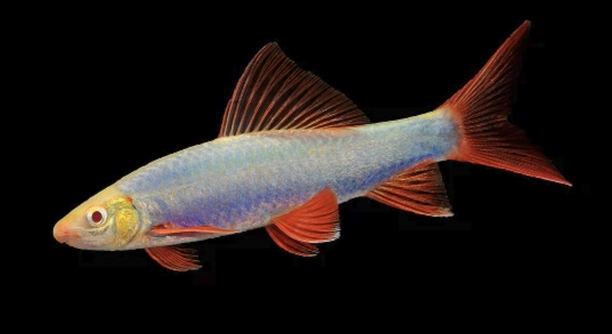
Are your rainbow sharks growing faster than you expected in your aquarium? Many fish owners notice rapid growth but may not realize the signs that indicate it is too fast. Knowing what to watch for helps keep your fish healthy.
Rapid growth in rainbow sharks can cause stress, deformities, and health problems. Signs include changes in behavior, unusual swimming patterns, loss of color, and physical abnormalities. Monitoring these symptoms early allows for timely care and adjustment.
Recognizing these signs early will help you maintain a safe and balanced environment for your rainbow shark’s wellbeing.
Changes in Behavior
When a rainbow shark grows too quickly, you may notice changes in how it acts. It might become more aggressive or hide more often than usual. Rapid growth can cause stress, making the fish uneasy in its environment. Sometimes, the fish may lose interest in food or swim erratically. These behavior changes are signals that something is off. They often come before physical signs, so paying attention early is important. If you see your rainbow shark acting differently, check the water quality and feeding routine. Overfeeding can speed up growth but also harm the fish. Proper care includes keeping the tank clean and balanced. Stress from fast growth might make your fish more vulnerable to diseases, which can worsen the situation. Observing behavior is a simple way to catch problems before they become serious. Regular monitoring helps ensure your fish stays healthy and comfortable in its home.
Behavior changes are often the first sign of too rapid growth and should not be ignored.
Noticing these shifts in behavior allows you to intervene early. Adjusting feeding and tank conditions can reduce stress. Creating a stable environment supports healthy growth and better fish welfare. Understanding your fish’s normal behavior helps you spot issues sooner. Always watch for sudden or unusual movements, as these can indicate discomfort or illness caused by growth problems.
Physical Signs of Rapid Growth
Physical changes in a rainbow shark growing too fast are clear indicators of potential problems. You might see the fish’s body becoming misshapen or its fins looking uneven. Sometimes the fish develops lumps or bends in its spine. These deformities happen because the fish’s body isn’t developing at a natural pace. Rapid growth can strain its bones and muscles, causing long-term damage. The color of your rainbow shark may also fade or become patchy. This is a sign the fish’s health is compromised. Poor coloration often means stress or nutrient deficiencies linked to fast growth. Careful observation is key to catching these physical signs early. Adjusting feeding practices, such as reducing food quantity or switching to balanced diets, helps slow growth. Keeping the tank environment stable with proper temperature and clean water supports recovery. Early detection prevents worsening of deformities and improves the fish’s quality of life. Maintaining proper tank conditions reduces the risk of rapid growth problems.
Impact on Swimming Patterns
Rapid growth can affect how your rainbow shark swims. It may struggle to move smoothly or stay balanced in the water. Erratic swimming and difficulty navigating the tank are common signs. These issues point to discomfort or physical strain caused by quick growth.
Difficulty swimming occurs when the fish’s body grows unevenly, affecting muscle strength and coordination. The spine or fins might not develop properly, making it hard for the fish to maintain balance. This can cause your rainbow shark to bump into tank decorations or stay near the bottom. These changes reduce its ability to explore or compete for food, which impacts overall health. Slower growth supports better muscle and bone development, helping the fish move naturally.
Correcting tank conditions and feeding habits helps improve swimming. Providing enough space and hiding spots reduces stress, allowing your fish to regain normal movement. Monitoring water quality and temperature also supports muscle health and prevents further complications linked to rapid growth.
Loss of Color and Vitality
Loss of color in a rainbow shark signals stress or poor health linked to rapid growth. Dull or faded colors mean the fish is not thriving as it should. This change often accompanies other growth-related problems.
Color loss happens when the fish’s body struggles to keep up with its fast growth. Nutrient absorption may decline, affecting pigmentation. Stress from environmental changes or overcrowding also contributes. Maintaining a balanced diet rich in vitamins supports vibrant colors and overall health. Providing high-quality food formulated for rainbow sharks can help restore color and vitality over time.
Environmental factors like poor water quality or fluctuating temperatures worsen color loss. Regular tank maintenance and stable conditions improve your fish’s resilience. Paying attention to these signs early prevents further health decline and helps your rainbow shark regain its natural, bright appearance.
Appetite Changes
Rapid growth can cause your rainbow shark to eat more than usual. This increased appetite may seem normal but can lead to overfeeding. Overfeeding worsens growth problems and water quality issues in the tank.
At the same time, some rainbow sharks may lose interest in food if stressed by fast growth. Both increased and decreased appetite are signs to watch closely.
Signs of Stress
Stress from rapid growth weakens your rainbow shark’s immune system. This makes the fish more vulnerable to infections and diseases. Stress can come from overcrowding, poor water conditions, or nutrient imbalances.
Managing stress is crucial to prevent further health problems and support steady, healthy growth in your fish.
Tank Environment Issues
Rapid growth often relates to tank conditions that are not ideal. Overcrowding or poor water quality speeds up growth but harms health. Maintaining a clean, balanced environment helps control growth and supports your rainbow shark’s wellbeing.
FAQ
How can I slow down my rainbow shark’s growth?
Slowing down growth mainly involves controlling diet and tank conditions. Feeding smaller portions and less frequently helps prevent rapid growth. Use high-quality, balanced food designed for tropical fish rather than overfeeding with protein-rich options. Keeping water temperature stable and within recommended ranges also supports steady growth. Avoid overcrowding, as cramped spaces can stress the fish and affect growth rates. Regular water changes and tank cleaning maintain a healthy environment, reducing stress and health risks linked to fast growth.
What are the risks of my rainbow shark growing too fast?
Rapid growth can lead to several health problems. Physical deformities like bent spines or fin damage often occur because the fish’s body develops unevenly. It can also cause stress, making the fish more prone to diseases. Behavioral issues like aggression or hiding more are common. Swimming problems and loss of color happen as the body struggles to keep up. These effects reduce the fish’s quality of life and lifespan. Preventing fast growth is important to avoid these risks and keep your fish healthy.
Can diet alone cause my rainbow shark to grow too fast?
Yes, diet plays a big role in growth speed. Overfeeding, especially with protein-rich foods, can push the fish to grow faster than normal. Feeding large amounts of food encourages excessive weight gain and physical strain. On the other hand, poor-quality food lacking necessary nutrients can weaken the fish, even if growth is fast. A balanced diet with controlled portions supports healthy development. Monitoring feeding habits is one of the easiest ways to manage growth speed.
How often should I feed my rainbow shark?
Feeding once or twice a day is usually enough for rainbow sharks. Small, measured portions prevent overfeeding and reduce waste buildup in the tank. Avoid leaving uneaten food in the water, as this can harm water quality. If your fish is very young, you might feed more frequently but in smaller amounts. Adjust feeding based on your fish’s size and activity, but never feed until the fish looks overly full. Proper feeding helps control growth and keeps the tank clean.
What water conditions help control growth?
Stable, clean water is key to healthy growth rates. Keep the temperature between 74°F and 80°F (23°C to 27°C), as higher temps can speed up metabolism and growth. Maintain good filtration and change 25-30% of the water weekly. Test for ammonia, nitrites, and nitrates regularly to ensure safe levels. Proper pH, around 6.5 to 7.5, supports overall health. Stress from poor water quality can cause abnormal growth, so keeping a balanced environment is essential.
When should I be concerned about my fish’s growth?
Be concerned if you notice changes in behavior, swimming difficulties, loss of color, or physical deformities. Rapid size increases that seem unnatural also warrant attention. If your fish stops eating or hides frequently, it might be struggling with health issues caused by growth problems. Early signs mean you can adjust care and prevent further harm. Regular observation is the best way to catch issues before they worsen.
Can tank size affect my rainbow shark’s growth?
Yes, tank size impacts growth. Small or overcrowded tanks stress fish and can cause abnormal growth patterns. Larger tanks provide space to swim and grow naturally, reducing stress and supporting better muscle development. A minimum tank size of 30 gallons is recommended for adult rainbow sharks. Proper space helps maintain balanced growth and promotes overall health.
Are there specific signs that show growth is too fast?
Physical deformities like bent or twisted spines, uneven fins, and lumps are clear signs. Behavioral changes such as erratic swimming, hiding, or aggression also indicate problems. Loss of color and poor appetite often accompany rapid growth issues. These signs suggest the fish is not developing properly and needs care adjustments.
Can supplements help if my rainbow shark is growing too fast?
Supplements can support overall health but won’t directly slow growth. Vitamins and minerals help strengthen the immune system and improve coloration. Overusing supplements or unbalanced diets can worsen growth issues. It’s better to focus on proper feeding and tank care. Consult with an aquarium specialist before adding supplements.
How can I prevent rapid growth in new fish?
Start with proper tank setup, including size and water quality. Introduce balanced feeding routines from the beginning. Monitor your fish’s behavior and health closely. Avoid overcrowding and provide hiding spots to reduce stress. Early care sets the foundation for healthy growth and avoids future problems.
When it comes to caring for your rainbow shark, keeping an eye on its growth is very important. Rapid growth can cause many problems that affect the fish’s health and happiness. Watching for changes in behavior, physical signs, and swimming patterns helps you catch issues early. By paying attention to these signals, you can take action before the fish experiences serious stress or deformities. Proper care and monitoring are key to helping your rainbow shark live a long and healthy life.
Controlling growth means managing what your fish eats and the environment it lives in. Feeding the right amount of high-quality food, avoiding overfeeding, and maintaining good water conditions all play a role. Keeping the tank clean and at the right temperature helps support steady growth without causing strain. It’s important to provide enough space and a balanced environment, so your fish can develop naturally. Making these adjustments might take some effort, but it will improve your fish’s wellbeing in the long run.
Remember, every fish is different, and what works for one may not work exactly the same for another. Be patient and watch how your rainbow shark responds to changes. If you notice signs of too rapid growth, act quickly to adjust feeding or tank conditions. Regular observation and care can prevent many health problems linked to fast growth. With the right approach, you can help your rainbow shark thrive and enjoy its life in your aquarium.

Hello,
If you enjoy the content that we create, please consider saying a "Thank You!" by leaving a tip.
Every little bit helps us continue crafting quality advice that supports the health, happiness, and well-being of pets around the world, for pets of all shapes, sizes, and species.
We really appreciate the kindness and support that you show us!