
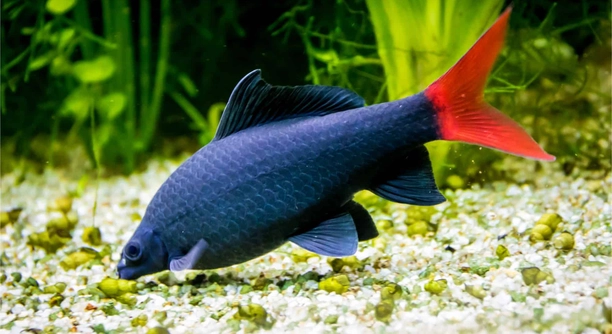
Rainbow sharks are popular aquarium fish known for their vibrant colors and active nature. Many fishkeepers want to ensure their rainbow shark grows healthy and strong. Knowing the signs of proper growth helps maintain a thriving aquatic environment.
Monitoring your rainbow shark’s size, coloration, appetite, activity level, fin condition, body shape, and behavior are key indicators of its growth. Regular observation allows early detection of health or environmental issues that could affect development.
Recognizing these growth signs can improve care and prevent potential problems, ensuring your rainbow shark remains a lively and healthy part of your tank.
Size and Growth Rate
Rainbow sharks typically grow steadily if kept in proper conditions. Juveniles grow faster during the first few months, reaching about three inches in six months. Adult sharks can grow up to six inches but growth slows significantly with age. Proper diet, clean water, and adequate tank space all impact growth rate. Overcrowded tanks or poor water quality can stunt development. Feeding a balanced diet rich in protein encourages healthy growth. It is important to measure your fish regularly to track progress. Comparing current size to expected size for its age helps determine if growth is on track. Sudden changes in size or lack of growth may indicate health problems or stress.
Tracking your rainbow shark’s size over time gives insight into its health and environmental conditions.
Maintaining stable water parameters is vital. Temperature should be between 75°F and 82°F. pH levels around 6.5 to 7.5 are ideal. Ammonia, nitrite, and nitrate levels must remain low. These factors create an environment where your rainbow shark can grow consistently without unnecessary stress.
Coloration and Appearance
Healthy rainbow sharks display vibrant, consistent colors, especially bright red fins and dark bodies. Dull or faded coloration often signals poor health or stress. Color changes can result from illness, poor diet, or water quality issues. Bright, sharp colors usually indicate a well-nourished, comfortable fish. Avoid rapid fluctuations in temperature or lighting, as these can cause color fading or stress marks. Sometimes, mild color variations are normal during growth stages but should not be extreme or sudden. Keeping the tank clean and feeding a varied diet with color-enhancing foods supports optimal appearance. Observing your fish’s colors daily helps identify any decline or changes early, allowing timely intervention to prevent serious problems.
Regularly monitoring color and physical condition supports overall health and helps you catch issues early before they worsen.
Appetite and Feeding Habits
A healthy rainbow shark shows a good appetite and eagerly eats during feeding times. Sudden loss of appetite or refusal to eat can indicate illness or stress. Consistent feeding behavior is a good sign of proper growth and wellbeing.
Monitoring feeding habits helps you identify early signs of problems. Rainbow sharks prefer sinking pellets, flakes, and occasional live or frozen foods like bloodworms or brine shrimp. Avoid overfeeding, as excess food can pollute the tank and harm water quality. Feeding small portions twice daily is ideal. If your shark consistently eats well and shows interest in food, it usually means it is healthy and growing properly.
Changes in appetite can be subtle but important. If your fish becomes less active or hides during feeding, it may require closer observation. Keep track of how much it eats compared to other tank mates, and adjust feeding routines accordingly to support growth.
Activity Level and Behavior
Active swimming and regular movement indicate a healthy rainbow shark. Lethargy or hiding for long periods suggests stress or illness. A properly growing shark is curious but cautious in its environment.
Rainbow sharks are naturally territorial and will patrol their tank, exploring corners and interacting with tank mates without aggression. Decreased activity can be caused by poor water quality, inadequate space, or health issues. Providing enough room, hiding spots, and clean water encourages natural behavior. If your fish remains active and exhibits normal territorial behavior, it is likely developing well.
Changes in behavior such as excessive hiding, rubbing against objects, or erratic swimming may signal discomfort. Observing these signs early helps address underlying problems before they impact growth or health significantly.
Fin Condition
Healthy fins are clear, intact, and free from tears or discoloration. Damaged or clamped fins can indicate stress, poor water quality, or disease.
Regular inspection of your rainbow shark’s fins helps catch early signs of fin rot or injury. Clean water and a balanced diet support strong fin health.
Body Shape and Proportion
A properly growing rainbow shark has a streamlined body with a balanced head, torso, and tail. Abnormal swelling, bloating, or thinning may signal health issues or poor nutrition.
Maintaining a suitable tank environment and proper feeding prevents deformities. Sudden changes in body shape should be addressed promptly to avoid long-term harm.
Behavior Changes
Sudden shifts in behavior, such as increased aggression or withdrawal, often indicate stress or illness. Consistent behavior usually reflects good health.
Tank Environment
A clean, spacious tank with proper filtration supports growth and wellbeing. Overcrowding and poor water conditions stunt development and lead to health problems.
How fast do rainbow sharks grow?
Rainbow sharks grow rapidly during their first six months, often reaching about three inches in length. After this initial period, their growth rate slows down significantly. Adult rainbow sharks usually reach a maximum length of about six inches. Growth speed depends largely on tank conditions, diet, and overall health. Proper care, such as maintaining clean water and feeding high-quality food, encourages steady growth. Poor water quality or overcrowding can stunt growth and cause health issues. Monitoring size regularly helps ensure your rainbow shark is developing as expected.
What is the ideal tank size for a rainbow shark?
The ideal tank size for a single rainbow shark is at least 30 gallons. Larger tanks provide more swimming space and reduce territorial stress. Rainbow sharks are active swimmers and need room to move freely. Overcrowding can lead to aggression and stunt growth. A spacious tank also helps maintain stable water parameters, which are crucial for their health. Adding hiding spots and plants helps create a comfortable environment. For multiple rainbow sharks, increase tank size accordingly to prevent stress and competition.
What should I feed my rainbow shark to promote growth?
Feeding a balanced diet with high protein content is key to healthy growth in rainbow sharks. Sinking pellets or wafers designed for bottom feeders are ideal as they reach the shark easily. Supplementing with frozen or live foods such as bloodworms, brine shrimp, or daphnia provides essential nutrients. Variety supports both coloration and development. Avoid overfeeding; small portions twice daily are sufficient. Removing uneaten food quickly prevents water pollution, which can harm fish health. A proper diet improves energy levels, immune function, and growth rate.
How often should I clean my rainbow shark’s tank?
Regular tank maintenance is critical to your rainbow shark’s growth and health. Partial water changes of 20-30% weekly help keep ammonia and nitrate levels low. Cleaning the substrate and removing debris prevents toxins from building up. Avoid using harsh chemicals or soap, as these can harm fish. Filter maintenance should be done monthly or as needed to ensure proper water flow. Consistent cleaning creates a stable environment that supports growth and reduces the risk of disease.
Can rainbow sharks live with other fish?
Rainbow sharks can live peacefully with certain tank mates if the environment is suitable. They are territorial but not overly aggressive. Ideal companions include larger, non-aggressive fish such as barbs, danios, or plecos. Avoid slow-moving or long-finned species, as rainbow sharks may nip fins. Providing plenty of space and hiding places reduces conflicts. Monitoring behavior regularly helps prevent aggression. Proper tank setup promotes harmony and reduces stress, which supports healthy growth.
What signs indicate my rainbow shark is unhealthy?
Signs of poor health include faded coloration, clamped or torn fins, lethargy, loss of appetite, and unusual swimming patterns. Swelling or bloating and rapid breathing can also be symptoms. Behavioral changes like hiding excessively or rubbing against objects indicate discomfort. Early detection through daily observation allows for timely treatment. Maintaining water quality, proper diet, and stress-free conditions minimizes health problems.
How do water parameters affect rainbow shark growth?
Stable water parameters are essential for proper growth. Rainbow sharks thrive in temperatures between 75°F and 82°F, with a pH of 6.5 to 7.5. Ammonia and nitrite levels must remain at zero, while nitrate should be kept below 20 ppm. Fluctuations in these parameters cause stress, reduce appetite, and stunt growth. Regular testing and adjustments ensure a healthy environment. Good filtration and aeration support water quality, promoting development and wellbeing.
Is it normal for rainbow sharks to change color as they grow?
Mild color changes during growth are normal, especially in juveniles. Colors may deepen or become more vibrant with age and proper nutrition. However, sudden or drastic fading may signal stress, illness, or poor water quality. Color intensity reflects overall health and environmental conditions. Feeding color-enhancing foods and maintaining stable tank conditions support bright, healthy coloration. Consistent monitoring helps detect unwanted changes early.
How can I tell if my rainbow shark is stressed?
Signs of stress include hiding more than usual, loss of appetite, rapid breathing, and erratic swimming. Fins may appear clamped or damaged. Stress weakens the immune system and slows growth. Causes include poor water quality, overcrowding, improper tank mates, and sudden changes in environment. Addressing these factors quickly reduces stress and improves health. Providing hiding spots and stable conditions encourages calm behavior.
What is the lifespan of a rainbow shark?
With proper care, rainbow sharks live between 5 to 8 years in captivity. Their lifespan depends on tank conditions, diet, and overall health. Maintaining clean water, feeding a balanced diet, and minimizing stress contribute to longevity. Regular observation and prompt attention to health issues help extend their life. Keeping a suitable environment supports steady growth and a healthy lifespan.
Proper care and attention are essential for ensuring your rainbow shark grows well and stays healthy. Monitoring key factors such as size, coloration, appetite, and behavior helps you recognize if your fish is developing properly. Maintaining good water quality, providing a balanced diet, and offering enough space all contribute to its overall wellbeing. These elements work together to create an environment where your rainbow shark can thrive. Regular observation allows you to catch potential problems early, which is important for preventing health issues and supporting steady growth.
It is also important to understand that growth rates and appearance can vary among individual fish. Some rainbow sharks may grow faster or show brighter colors depending on genetics and their specific environment. While signs like dull colors, reduced activity, or changes in appetite can indicate a problem, minor fluctuations are normal at times. Taking a consistent approach to care, including scheduled tank maintenance and feeding routines, will help maintain balance. Patience is key, as proper growth happens over time with steady conditions and care.
By focusing on these simple yet important areas, you can support your rainbow shark’s development and ensure it lives a healthy life. Knowing what to look for and how to respond to changes makes caring for your fish more manageable. This attentiveness not only benefits your rainbow shark but also creates a more enjoyable aquarium experience. In the end, proper care leads to a vibrant, active fish that adds beauty and life to your tank.

Hello,
If you enjoy the content that we create, please consider saying a "Thank You!" by leaving a tip.
Every little bit helps us continue crafting quality advice that supports the health, happiness, and well-being of pets around the world, for pets of all shapes, sizes, and species.
We really appreciate the kindness and support that you show us!