
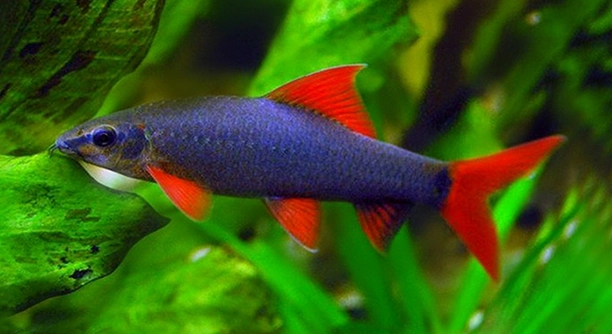
Rainbow sharks are popular aquarium fish known for their bright colors and active nature. Many fish owners want to understand how their rainbow sharks feel in their tanks. Recognizing signs of happiness can help ensure a healthy and balanced environment for these fish.
A happy rainbow shark displays vibrant coloration, active swimming patterns, regular feeding behavior, and peaceful interactions with tank mates. These indicators reflect good health and comfort within its habitat, essential for maintaining overall well-being.
Knowing how to spot these signs can improve your fish-keeping experience and support your rainbow shark’s happiness over time.
Bright and Vibrant Colors
A rainbow shark’s colors are often the first sign of its mood. When your fish is happy and healthy, its red, blue, and black hues appear vivid and bright. Dull or faded colors can mean stress or illness. Changes in lighting or water quality also affect coloration, so it’s important to maintain stable tank conditions. A well-fed rainbow shark with good water parameters will show off its natural colors with ease. Watching your fish swim confidently with bold colors can bring a small sense of joy to your day. The more you learn about their needs, the better you can keep those colors shining.
Strong coloration signals a happy fish.
Consistent water changes and a balanced diet help keep your rainbow shark’s colors bright. Avoid sudden changes in temperature or light, as these can cause stress and dull colors. Providing hiding places and enough space encourages comfort, allowing your fish to display its best appearance naturally. Regularly check water parameters to prevent harmful buildup. This care routine supports not only the fish’s looks but also its overall health and mood. When your rainbow shark is content, it will reward you with lively colors and active swimming, making your aquarium a lively and pleasant space to enjoy every day.
Active Swimming Behavior
A happy rainbow shark swims confidently and explores its environment.
Active swimming shows the fish feels safe and comfortable. When it glides smoothly through the water or moves around the tank, it is a sign of good health. If your fish hides too often or stays still at the bottom, it may be stressed or sick. They enjoy swimming near decorations or plants, so having a varied tank layout can boost activity levels. The size of the tank matters; a cramped space can limit movement and cause frustration. Watching your fish explore and react to its surroundings means it is adapting well and content in its home.
Feeding Habits and Appetite
A healthy appetite is a clear indicator of happiness in your rainbow shark. When it eagerly comes to feed, you can be confident it feels secure in its environment. Rainbow sharks are omnivores and benefit from a balanced diet including pellets, flakes, and occasional live or frozen foods. Feeding at regular times helps them feel settled and builds routine, which reduces stress. If the fish refuses food or eats very little, it could signal discomfort or illness. Paying attention to feeding behavior helps you spot early signs of trouble.
Regular feeding times and a variety of foods keep your rainbow shark interested and healthy. Some owners notice their fish actively searching for food or even responding when approaching the tank. This behavior shows engagement and comfort with its surroundings. Overfeeding should be avoided, as it can harm water quality and fish health. Offering small portions and removing uneaten food supports a clean environment. With proper feeding care, your rainbow shark will stay energetic and happy for longer periods.
Peaceful Interactions with Tank Mates
Rainbow sharks generally prefer peaceful tank mates and avoid constant fighting.
If your rainbow shark coexists calmly with other fish, it likely feels secure and unthreatened. Aggressive behavior or frequent chasing may indicate stress or overcrowding. They tend to establish territories but usually don’t harass others excessively when content. Observing harmony in the tank is a positive sign of a balanced environment. Providing hiding spots can reduce conflicts and help all fish feel safe.
Maintaining a peaceful community tank requires attention to species compatibility and tank size. Rainbow sharks are semi-aggressive, so avoid overly aggressive or much smaller fish. Keeping similar-sized or slightly larger tank mates reduces tension. Regular monitoring helps you notice any changes in behavior that might need intervention. Tank decorations that offer visual barriers help minimize stress and prevent fights. A happy rainbow shark shows calm behavior around others, contributing to a more relaxed aquarium atmosphere.
Regular Resting and Hiding Spots
Rainbow sharks need places to rest and hide to feel secure. They use caves, plants, or decorations to take breaks from bright light or active swimming. Without enough shelter, they may become stressed or anxious. Providing hiding spots encourages natural behavior and helps them relax when needed.
Resting calmly in safe spots shows a content fish. It is important to create a comfortable environment with diverse hiding places. Fish that constantly swim without resting may be stressed or uncomfortable. Observing your rainbow shark’s resting habits helps ensure its needs are met. Including plants or decorations that simulate a natural environment supports mental well-being. The balance of active time and rest time reflects a healthy and happy fish.
Smooth Breathing and Gill Movement
Healthy rainbow sharks breathe smoothly and evenly without rapid gill movement.
If you notice heavy or fast breathing, it may indicate stress or poor water quality. Regularly checking this can help catch problems early.
Clear Eyes and Fins
Clear, bright eyes and intact fins are signs of a happy rainbow shark. Cloudy eyes or torn fins often point to illness or injury. Healthy fish maintain good fin condition through normal swimming and minimal fighting.
Curious and Alert Behavior
A happy rainbow shark often shows curiosity by exploring new tank areas or reacting to movements outside the tank. Alertness indicates good health and engagement with its environment. When the fish pays attention to surroundings, it reflects comfort and confidence in its home.
FAQ
How can I tell if my rainbow shark is stressed?
Signs of stress in rainbow sharks include faded colors, hiding often, rapid breathing, and erratic swimming. They may also stop eating or show aggression. Stress usually comes from poor water quality, overcrowding, or incompatible tank mates. Checking water parameters and ensuring a proper tank setup can reduce stress.
What should I feed my rainbow shark to keep it happy?
Rainbow sharks are omnivores and do well with a mix of high-quality pellets, flakes, and occasional live or frozen foods like bloodworms or brine shrimp. A varied diet supports their health and keeps them active. Avoid overfeeding, as leftover food can pollute the tank.
How large should my tank be for a rainbow shark?
A tank of at least 30 gallons is recommended for a single rainbow shark. They need space to swim actively and establish territories. Larger tanks with plenty of hiding spots reduce aggression and stress, supporting a happier fish.
Can rainbow sharks live with other fish?
Yes, but choose tank mates carefully. Peaceful, similarly sized fish are best. Avoid small, slow-moving fish or overly aggressive species. Proper spacing and tank decorations help minimize conflicts and keep your rainbow shark comfortable.
Why is my rainbow shark hiding so much?
Frequent hiding can mean the fish feels threatened, stressed, or unwell. Check water quality, tank conditions, and tank mates. Ensure the fish has hiding spots but also enough room to swim freely. Stress reduction usually improves hiding behavior.
How often should I clean the tank for my rainbow shark?
Regular partial water changes of 20-30% every one to two weeks keep the tank clean and water parameters stable. Overcleaning can stress fish, but neglecting water changes leads to poor water quality and unhappy fish.
What temperature is best for rainbow sharks?
They prefer water temperatures between 72°F and 79°F (22°C to 26°C). Keeping the temperature steady within this range helps maintain their metabolism and mood. Sudden temperature changes can cause stress and illness.
How do I know if my rainbow shark is sick?
Look for signs like loss of color, clamped fins, lethargy, loss of appetite, or unusual spots and growths. Early detection is important. Quarantine sick fish if possible and consult a vet or fish expert for treatment advice.
Do rainbow sharks need companions to be happy?
Rainbow sharks can be kept alone or with others if tank conditions are right. They are territorial, so adding companions requires space and careful selection to avoid fighting. Many owners find their rainbow shark content as the only shark in the tank.
What decorations help keep my rainbow shark happy?
Providing caves, plants, and rocks creates hiding spots and territory boundaries. These decorations reduce stress by giving the fish places to rest and feel secure. Avoid overcrowding the tank but ensure enough variety for exploration.
Final Thoughts
Taking care of a rainbow shark involves paying close attention to its behavior and environment. These fish show happiness through clear signs like bright colors, active swimming, and peaceful interaction with other tank mates. By watching for these signals, you can better understand how your fish feels and make changes when needed. A healthy rainbow shark is usually more vibrant and energetic, which makes your aquarium look lively and pleasant.
Maintaining good water quality and feeding your rainbow shark a balanced diet are key to keeping it happy. Regular water changes and monitoring tank conditions prevent stress and illness. Providing hiding spots and enough swimming space also supports the fish’s natural behavior. When a rainbow shark feels safe and comfortable, it will display curiosity and alertness, which are good indicators of well-being. Taking these simple steps helps create an environment where your fish can thrive.
It’s important to remember that every fish is unique, and what works well for one may not be perfect for another. Being patient and observing your rainbow shark closely will help you learn its preferences over time. Consistent care and attention will make a big difference in how happy and healthy your fish becomes. By meeting their basic needs and recognizing signs of contentment, you contribute to the long-term success of your aquarium.

Hello,
If you enjoy the content that we create, please consider saying a "Thank You!" by leaving a tip.
Every little bit helps us continue crafting quality advice that supports the health, happiness, and well-being of pets around the world, for pets of all shapes, sizes, and species.
We really appreciate the kindness and support that you show us!