
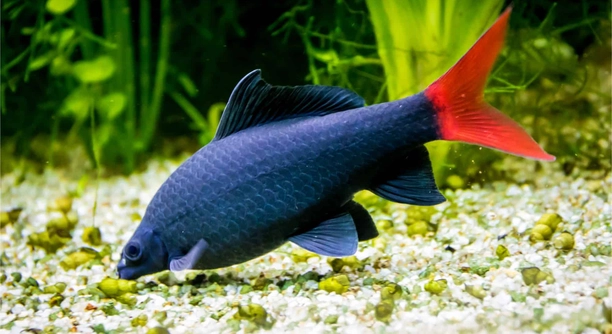
Rainbow sharks are popular aquarium fish known for their striking colors and active behavior. Ensuring they eat enough is important for their health and well-being. This article highlights key signs to help you monitor your rainbow shark’s eating habits carefully.
Rainbow sharks require a balanced diet and consistent feeding to thrive. Monitoring their appetite, observing feeding times, checking for physical health indicators, and ensuring they receive appropriate food types are essential methods to confirm adequate nutrition and growth.
Recognizing these signs early supports your fish’s health and helps maintain a vibrant, lively aquarium environment.
Observing Appetite and Feeding Behavior
Rainbow sharks tend to have predictable eating habits when healthy. They usually swim actively to the food during feeding times and compete moderately with tank mates for flakes or pellets. A healthy appetite is a strong indicator they are eating enough. If your fish consistently ignores food or takes longer to approach it, this could signal a problem. Overfeeding or underfeeding disrupts their digestion and overall health. You might notice leftover food lingering longer in the tank if they are not eating enough. Feeding them at the same time each day helps establish routine behavior. It is important to offer a variety of food types, including sinking pellets and occasional live or frozen foods, as rainbow sharks are bottom feeders. These habits keep their energy balanced and support their natural foraging instincts. Regular observation during feeding provides clear insight into their dietary intake and satisfaction.
Keeping a regular feeding schedule helps maintain your rainbow shark’s appetite and prevents overeating or malnutrition.
Feeding should be consistent, but not excessive. Feeding small portions two times daily is often ideal. Watch for signs of disinterest or leftover food to adjust portions accordingly. Using sinking pellets ensures the fish can reach food at the tank bottom. Live or frozen foods such as bloodworms or brine shrimp add nutrition and variety. Avoid sudden changes in diet, which may cause stress or digestive issues. Maintaining clean water also encourages feeding, as poor conditions reduce appetite. When multiple fish share a tank, observe that your rainbow shark is not being outcompeted. Healthy eating habits reflect in bright colors and active movement, signaling that your fish is receiving adequate nutrition.
Checking Physical Health Indicators
Physical signs can reveal if a rainbow shark is well-fed or struggling. Healthy fish display vibrant colors, smooth scales, and full bodies. Thin or sunken bellies may suggest insufficient food intake. Changes in swimming behavior, such as lethargy or hiding, can indicate stress or malnutrition. Pay attention to the condition of fins and gills, as damage or discoloration may point to poor health. Digestive problems can appear as swelling or unusual bulges along the body. Clear eyes and regular breathing patterns are additional signs of wellness. Observing these details regularly helps detect feeding issues early. Proper nutrition supports immune function, making your rainbow shark less vulnerable to disease. If signs of poor health persist, consult aquarium care guides or professionals for targeted advice. Keeping the tank environment stable complements your efforts to maintain physical health in your fish.
Consistent physical monitoring allows early detection of health issues related to diet and care.
Physical health reflects nutrition and environment quality. A robust appearance with smooth, shiny scales means your rainbow shark is likely eating enough and living in proper conditions. Avoid sudden changes in water parameters that can stress the fish and suppress appetite. Clean, well-filtered water supports digestion and nutrient absorption. Monitor for parasites or infections, which can reduce feeding interest. If your fish shows visible signs of poor health, adjusting diet or water quality is essential. Sometimes, supplementing with vitamins or specialized foods helps recovery. Regular tank maintenance and observation work together to keep your rainbow shark thriving.
Ensuring Appropriate Food Types and Variety
Rainbow sharks need a diet that includes proteins, vegetables, and occasional live foods. Sinking pellets designed for bottom feeders are the main staple because they reach the fish easily. Including blanched vegetables like zucchini or peas offers fiber and nutrients that support digestion. Live or frozen foods such as bloodworms provide natural protein and encourage natural hunting behaviors. Avoid feeding solely flakes or floating foods, as these are not well-suited to their feeding style. Variety in the diet prevents nutritional deficiencies and keeps the fish interested in eating. It also helps mimic their natural diet in the wild. Over time, adjusting food types based on the fish’s response ensures better health. Fresh, high-quality foods contribute to vibrant coloration and energy. Balancing different foods supports a well-rounded diet that meets all their needs for growth and maintenance.
A balanced diet combining pellets, vegetables, and live foods supports your rainbow shark’s health and appetite.
Feeding your rainbow shark with diverse foods ensures they receive all essential nutrients. Pellets supply core nutrition, while vegetables add fiber and vitamins. Live or frozen foods stimulate natural feeding instincts and offer protein variety. Avoid overfeeding to prevent obesity and water quality problems. Removing uneaten food quickly maintains a clean tank environment. Experimenting with different safe food types helps discover your fish’s preferences and promotes consistent eating habits. This approach maintains health, enhances color, and supports active behavior.
Monitoring Weight and Growth Patterns
Sudden weight loss or slow growth can indicate your rainbow shark is not eating enough. Consistent weight gain shows they are receiving sufficient nutrition. Keep track of changes to catch problems early.
Regularly observing your rainbow shark’s size and weight helps assess feeding success. Fish that grow steadily tend to have proper diets and tank conditions. Stunted growth or thin bodies may suggest competition for food or insufficient portions. Growth rates vary by age and environment, but any drastic change deserves attention. Recording measurements every few weeks can provide useful data. Tank mates that are aggressive or faster eaters may limit your rainbow shark’s access to food, causing slower growth. Adjust feeding strategies accordingly to ensure your fish gets its share.
Proper growth indicates balanced nutrition and healthy feeding routines. Avoid overfeeding, which can cause obesity and water quality issues. Weight monitoring, combined with observation of appetite and behavior, gives a complete picture of your fish’s feeding status.
Watching for Behavioral Changes During Feeding
Changes in behavior during feeding often reveal eating issues. A normally active fish that becomes sluggish or avoids food may be underfed or ill. Quick, consistent feeding responses usually mean good health.
Behavioral shifts often accompany nutritional problems in rainbow sharks. If your fish stops showing interest in food or hides during feeding times, it may not be eating enough. Stress, illness, or poor water conditions can reduce appetite. Some fish may compete aggressively for food, pushing others away. Watch closely how your rainbow shark interacts with tank mates during feeding. Slow or hesitant movements can indicate weakness or discomfort related to poor nutrition. Maintaining a calm and stable environment helps support normal feeding behaviors. Promptly addressing changes reduces risks of long-term health problems.
Ensuring your rainbow shark feels safe and comfortable during feeding times encourages regular eating. Behavioral observations complement physical checks, making it easier to spot early signs of feeding difficulties.
Ensuring Clean and Suitable Tank Conditions
Clean water is essential for a rainbow shark’s appetite and digestion. Dirty tanks can stress fish and reduce their willingness to eat.
Proper filtration and regular water changes maintain a healthy environment. Monitoring water parameters like pH, ammonia, and nitrate levels prevents harmful buildups that affect feeding habits.
Recognizing Signs of Overfeeding
Overfeeding can lead to uneaten food and poor water quality. This causes stress and reduces your fish’s appetite, making it harder for them to eat properly.
Controlling portion sizes and feeding frequency helps avoid these issues. Remove leftover food promptly to maintain tank cleanliness and encourage healthy eating behaviors.
Using Feeding Tools for Better Control
Feeding tools like automatic feeders or feeding rings can help control portions and reduce waste. These devices make feeding schedules more consistent and manageable.
Consistent feeding routines improve your rainbow shark’s health by preventing overfeeding or underfeeding, promoting balanced nutrition and tank cleanliness.
Watching for Physical Changes After Feeding
Observe your rainbow shark after feeding to ensure proper digestion. Swollen or bloated bellies may indicate overeating or digestive problems.
Healthy fish display normal, firm bellies without swelling. Regular checks help detect issues early and keep your fish comfortable and well-nourished.
FAQ
How often should I feed my rainbow shark?
Feeding your rainbow shark twice a day with small portions is usually best. This keeps them well-nourished without overloading the tank with leftover food. Avoid feeding large amounts at once, which can cause poor water quality and digestive issues. Stick to consistent feeding times to establish a routine that encourages healthy eating habits.
What types of food are best for rainbow sharks?
Sinking pellets made for bottom feeders are ideal as the main diet. Adding blanched vegetables like zucchini or peas provides fiber. Live or frozen foods such as bloodworms or brine shrimp offer protein and variety. Avoid feeding only flakes or floating foods because rainbow sharks prefer food that sinks to the bottom.
What signs show my rainbow shark is not eating enough?
Look for slow growth, thin or sunken bellies, and dull coloration. If your fish avoids food or seems less active, these may be signs of underfeeding. Changes in swimming behavior, such as hiding or lethargy, also indicate possible nutrition issues. Regular observation helps catch problems early.
Can tank mates affect my rainbow shark’s eating habits?
Yes, aggressive or faster-eating fish can prevent your rainbow shark from accessing food. Watch feeding times to make sure your shark gets enough. If needed, feed your rainbow shark separately or increase food portions to compensate for competition.
Is overfeeding harmful to rainbow sharks?
Overfeeding leads to leftover food, poor water quality, and obesity. It stresses the fish and may reduce their appetite over time. Feed small amounts and remove uneaten food quickly. Maintaining good water quality supports healthy feeding behavior.
How can I tell if my rainbow shark’s environment is affecting its appetite?
Poor water quality, incorrect temperature, or sudden changes can reduce appetite. If your fish stops eating, test the water parameters and check for stress signs. Clean the tank regularly and keep water stable to encourage normal feeding.
What should I do if my rainbow shark refuses to eat?
Check water quality and tank conditions first. If these are fine, try offering different foods such as live or frozen options to stimulate interest. Reducing stress by maintaining a calm environment helps too. If refusal continues, consult an aquarium specialist.
Can feeding tools help manage my rainbow shark’s diet?
Yes, tools like automatic feeders and feeding rings control portions and reduce waste. They provide consistent feeding schedules, preventing overfeeding or underfeeding. These devices help maintain balanced nutrition and cleaner tanks.
How important is variety in a rainbow shark’s diet?
Variety ensures your fish receives all necessary nutrients and stays interested in food. Mixing pellets, vegetables, and live or frozen foods supports growth, color, and energy. A varied diet also mimics natural feeding habits, promoting better health.
How do I monitor my rainbow shark’s growth effectively?
Measure your fish every few weeks and note any changes. Steady growth usually means good nutrition and tank conditions. Sudden weight loss or stunted size can signal feeding or health problems that need attention.
Can stress impact my rainbow shark’s eating habits?
Stress from poor water quality, aggressive tank mates, or sudden changes lowers appetite. Reducing stress by improving tank conditions and providing hiding spots helps your fish eat better and stay healthy.
What role does tank cleanliness play in feeding?
Clean tanks encourage appetite and digestion. Uneaten food and waste build up toxins that stress fish and reduce feeding interest. Regular water changes and proper filtration keep the environment safe and comfortable for your rainbow shark.
Should I adjust feeding amounts as my rainbow shark grows?
Yes, younger fish need more frequent feeding and slightly larger portions. As they mature, reduce quantity to avoid obesity. Observing appetite and body condition guides appropriate adjustments to maintain health.
Are there signs of digestive issues related to feeding?
Swollen or bloated bellies, unusual swimming, and loss of appetite can indicate digestion problems. Overfeeding or poor diet quality often causes these. Addressing feeding habits and water quality supports recovery.
Can I feed my rainbow shark vegetables alone?
Vegetables should supplement, not replace, protein-rich foods. Rainbow sharks need a balanced diet with animal protein for proper growth and health. Including vegetables adds fiber and nutrients but is not sufficient on its own.
These FAQs cover common concerns about feeding rainbow sharks. Paying attention to appetite, diet variety, tank conditions, and behavior will help maintain your fish’s health and happiness.
Monitoring your rainbow shark’s eating habits is essential for maintaining its health and well-being. By paying close attention to its appetite, behavior, and physical condition, you can ensure the fish receives the proper nutrition it needs to thrive. Consistent feeding routines, appropriate portion sizes, and a balanced diet are key factors in promoting good health. It is important to observe any changes in eating patterns or physical appearance, as these often signal underlying issues. Early detection and adjustments can prevent serious problems and help keep your rainbow shark active and vibrant.
Maintaining clean, stable tank conditions also plays a significant role in your fish’s appetite and overall health. Dirty water or sudden changes in temperature or chemistry can stress your rainbow shark and reduce its interest in food. Regular water changes, proper filtration, and monitoring water parameters help create a healthy environment that supports digestion and nutrient absorption. In addition, managing tank mates and feeding strategies prevents competition and ensures your rainbow shark has access to enough food. Together, these measures contribute to a balanced lifestyle for your fish and promote long-term health.
Lastly, understanding your rainbow shark’s needs and responding to signs of hunger or illness creates a better experience for both you and your fish. Using feeding tools or varying the diet can make feeding times more effective and enjoyable. Keeping track of growth and behavior allows you to adjust care as needed. While feeding your rainbow shark may seem simple, it requires attention and care to do well. Following these guidelines will help you support your fish’s health and enjoy watching it thrive in your aquarium.

Hello,
If you enjoy the content that we create, please consider saying a "Thank You!" by leaving a tip.
Every little bit helps us continue crafting quality advice that supports the health, happiness, and well-being of pets around the world, for pets of all shapes, sizes, and species.
We really appreciate the kindness and support that you show us!