
Is your rainbow shark growing but you’re unsure if everything is developing the way it should? Keeping track of changes can feel overwhelming sometimes. Watching for the right signs early on helps prevent future health issues.
A rainbow shark is developing properly if it shows steady growth, vibrant coloration, active swimming behavior, and healthy interactions with tank mates. Any signs of stunted growth, fading colors, or aggression may indicate improper development or stress-related issues.
Observing specific behaviors and physical changes will help you make sure your rainbow shark is on the right track.
Watch for Steady Growth
A healthy rainbow shark should show gradual growth over time. It usually grows up to 6 inches, but this won’t happen overnight. If your shark is still young, you’ll want to check that its body is slowly becoming longer and fuller. A good diet, proper tank size, and clean water conditions all contribute to steady growth. Keep a log of changes in size if you’re unsure. Sudden growth spurts or no visible growth after several months can be signs that something is off. Slow but consistent growth is normal, especially during the first year.
If your rainbow shark appears smaller than expected after several months, poor nutrition or water quality could be affecting its growth.
Measuring your fish every few weeks, maintaining stable water parameters, and offering a protein-rich diet will help support proper development. Avoid overfeeding and underfeeding. A quiet environment and reduced tank stress also play a role in physical growth.
Color Should Stay Bright
Healthy rainbow sharks are known for their rich, vibrant colors. If yours is pale or fading, something might be wrong.
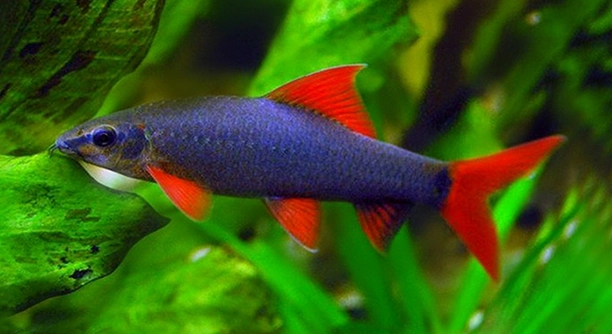
A bright red tail and deep gray or black body usually mean your rainbow shark is doing well. Fading color could signal poor diet, illness, or stress from tank conditions. Sudden changes in lighting or a lack of hiding spaces can also cause dull coloration. Stick to high-quality food with natural pigments like spirulina or shrimp, and avoid frequent changes in tank conditions. Make sure the shark isn’t being bullied by other fish, as this leads to stress. If the water is too cold, this may also impact its color. Test water temperature and pH weekly. Keep decorations minimal but offer places to hide. Give it a stable routine and limit tank rearrangement. This consistency helps reduce stress and keeps its colors rich. With the right care, your shark’s appearance should remain bold and healthy.
Behavior Should Be Active and Balanced
Rainbow sharks are naturally active swimmers, often patrolling the bottom of the tank. If they stay hidden for long periods or become overly aggressive, this may point to stress or poor tank conditions. Balanced behavior is a clear sign of proper development.
Your rainbow shark should swim around confidently, especially during feeding times. Some hiding is normal, but frequent isolation can suggest it’s not adjusting well to the tank setup. Watch for aggression—chasing other fish constantly can mean the tank is too small or overstocked. Avoid keeping them with other bottom dwellers. Sudden changes in behavior, such as hiding after being active, may be linked to water temperature, loud noises, or bullying. Keep the tank quiet, avoid rearranging décor too often, and provide hiding spots that help it feel secure. Monitor closely, and if behavior seems off for more than a few days, check water parameters and diet.
Rainbow sharks are territorial, especially as they mature. If yours becomes more aggressive over time, this isn’t unusual, but it should remain manageable. Provide enough space, at least 50 gallons for one adult shark, and avoid adding more rainbow sharks. Their environment plays a major role in keeping their behavior balanced. If aggression escalates, you may need to adjust tank mates.
Fins Should Be Clear and Intact
Damaged or clamped fins may point to illness or tank stress. Healthy fins should be smooth, untorn, and spread out while the shark swims. Watch closely for signs of fin rot or fungus.
Clear fins without any fraying are a sign your rainbow shark is developing well. Torn fins often come from poor water quality, sharp decorations, or fights with other fish. Avoid placing your rainbow shark with nippers or other territorial species. If fins are folded or clamped tightly, the fish could be feeling stressed, cold, or sick. Perform regular water changes, keep ammonia and nitrate levels low, and test parameters weekly. Add smooth décor and avoid overcrowding the tank. Feeding a protein-rich diet helps support strong fin growth. If you notice white edges, black patches, or consistent damage, consult a vet or aquatic specialist. Addressing fin issues early can prevent long-term harm and help your shark recover quickly.
Appetite Should Be Consistent
A rainbow shark with a steady appetite is usually healthy. If it eats regularly and shows interest in food, this points to proper development. Loss of appetite may indicate illness, poor water conditions, or stress from tank mates or environment.
Feed your shark once a day with a balanced mix of protein and plant-based food. Uneaten food sinking to the bottom can pollute the tank, so remove leftovers promptly. If appetite drops suddenly, check water temperature, pH, and ammonia levels. A healthy shark will eat eagerly and explore after meals.
Tank Size Must Be Sufficient
A rainbow shark needs space to thrive. A tank smaller than 50 gallons can lead to stress, stunted growth, and aggressive behavior. These fish are territorial and need room to claim their space without constant interaction with other fish. Cramped tanks cause physical and behavioral issues over time. Always aim for a larger tank if possible.
Eyes Should Be Clear
Cloudy, swollen, or sunken eyes are a warning sign. Healthy rainbow sharks have clear, alert eyes that are evenly shaped. Check for any swelling or haze regularly.
FAQ
How often should I feed my rainbow shark?
Feeding once a day is usually enough. Offer a balanced diet with pellets, flakes, and occasional live or frozen food. Avoid overfeeding because leftover food can pollute the tank and cause health issues. Remove uneaten food after 5 minutes to keep the water clean.
What tank size is ideal for a rainbow shark?
A minimum of 50 gallons is recommended for one rainbow shark. They are territorial and need room to swim freely. Larger tanks help reduce aggression and stress. If you want multiple fish, increase tank size accordingly.
Can rainbow sharks live with other fish?
Yes, but choose tank mates carefully. Avoid other bottom dwellers or aggressive fish that may compete for territory. Peaceful mid-to-top swimmers like tetras or barbs usually work well. Always watch interactions closely.
What water parameters should I maintain?
Keep the temperature between 72°F and 79°F (22°C to 26°C). pH should be neutral to slightly acidic, around 6.5 to 7.5. Ammonia and nitrites must stay at zero. Regular testing and water changes are essential for a healthy environment.
How can I tell if my rainbow shark is stressed?
Signs include hiding for long periods, loss of appetite, faded colors, and clamped fins. Stress can come from poor water quality, bullying by tank mates, or overcrowding. Address these issues promptly to help your fish recover.
What should I do if my shark’s fins look damaged?
First, check water quality and tank setup. Remove sharp objects and avoid aggressive tank mates. Treat possible infections with appropriate medication. Maintaining clean water and a good diet supports fin repair.
Is it normal for rainbow sharks to be aggressive?
Some aggression is normal, especially as they mature. Territorial behavior increases with limited space. Providing at least 50 gallons and enough hiding spots reduces fights. Avoid keeping more than one rainbow shark unless the tank is very large.
How long do rainbow sharks live?
With proper care, rainbow sharks can live 5 to 8 years. Stable water conditions, good nutrition, and a stress-free environment contribute to their lifespan. Regular observation helps catch health problems early.
Can rainbow sharks eat plant-based food?
Yes, they are omnivores and enjoy some plant matter. Include algae wafers, spirulina flakes, or blanched vegetables like zucchini or peas in their diet for balanced nutrition. Avoid feeding only plants, as protein is important for growth.
What signs indicate illness in a rainbow shark?
Look for lethargy, rapid breathing, white spots, unusual swimming patterns, or swelling. Any sudden changes in behavior or appearance need immediate attention. Early detection and treatment improve recovery chances.
How often should I clean the tank?
Perform partial water changes of 20-30% weekly to maintain good water quality. Clean filters monthly but avoid disturbing beneficial bacteria too much. Remove debris and uneaten food regularly. Proper tank maintenance keeps your shark healthy.
Can rainbow sharks live in planted tanks?
Yes, they can. However, some plants might get nibbled or uprooted. Choose hardy plants and secure them well. Plants also provide hiding places, which reduce stress and improve behavior.
Are rainbow sharks sensitive to water temperature changes?
They prefer stable temperatures within their range. Sudden drops or rises can cause stress or illness. Use a reliable heater and thermometer to monitor and keep the temperature consistent.
What is the best way to introduce a new rainbow shark to an established tank?
Quarantine the new fish for two weeks to prevent disease spread. Add the new shark during feeding time to distract other fish. Provide plenty of hiding spots and monitor behavior closely for aggression.
How do I prevent bullying in a community tank?
Choose compatible species and provide ample space. Add plants, rocks, and caves for shelter. Keep the tank well-maintained to avoid stress. Remove aggressive fish if bullying continues. Proper tank setup helps create a peaceful environment.
Taking care of a rainbow shark requires attention to its growth, behavior, and environment. Watching for steady growth and vibrant colors helps you understand if your fish is developing properly. Keeping the tank clean and providing the right food supports its health. These fish need enough space to swim freely and a calm environment to reduce stress. If your rainbow shark shows signs of aggression, loss of appetite, or damaged fins, these could be signals that something needs adjusting in their care. Paying close attention to these details can help you keep your fish healthy and happy.
Maintaining proper water conditions is essential for the well-being of your rainbow shark. The right temperature, pH, and clean water keep the fish comfortable and prevent disease. Regular water tests and partial water changes are important tasks that protect the tank’s balance. Using smooth decorations and providing hiding places will make your fish feel safe. Tank size matters a lot, as crowding often leads to stress and aggressive behavior. Choosing tank mates carefully and avoiding overcrowding are good practices for a peaceful aquarium. All these factors together create a healthy home for your rainbow shark to thrive.
Taking time to learn about your rainbow shark’s needs will make a difference in how well it grows. Observing its behavior and physical condition regularly allows you to catch problems early. If anything seems unusual, act quickly by checking water quality or consulting a professional. With consistent care and a proper environment, your rainbow shark can live a long and healthy life. Following simple guidelines about feeding, tank setup, and maintenance will help you enjoy watching your fish grow and develop properly over time.

Hello,
If you enjoy the content that we create, please consider saying a "Thank You!" by leaving a tip.
Every little bit helps us continue crafting quality advice that supports the health, happiness, and well-being of pets around the world, for pets of all shapes, sizes, and species.
We really appreciate the kindness and support that you show us!