
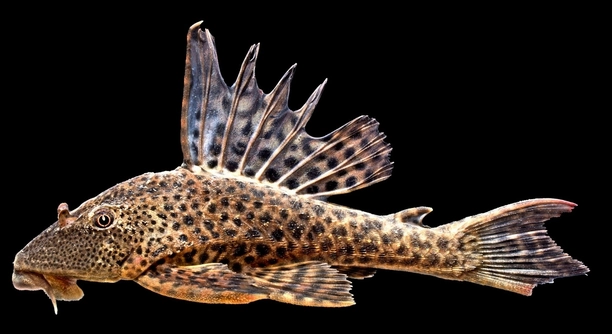
Is your pleco acting more aggressive lately, chasing tank mates or claiming specific spots in the aquarium as its own?
Plecos can show territorial behavior through chasing, guarding specific areas, flaring fins, or displaying aggressive postures. These signs often appear when space is limited, hiding spots are scarce, or during feeding and nighttime activity.
Recognizing these patterns early can help you make simple adjustments that improve tank harmony and reduce stress for all your fish.
Signs of Aggression and Space Guarding
Plecos may start to act territorial when they feel overcrowded or stressed. You might notice your pleco chasing other fish away from a specific cave, plant, or decoration. This behavior can happen more often at night since plecos are nocturnal. Flaring fins, tail whipping, or sudden bursts of movement toward other fish can also signal territorial aggression. Even if no physical harm occurs, constant intimidation can stress other tank mates. Providing enough space and clearly defined areas in the tank helps reduce these behaviors. Keep in mind that adult plecos tend to become more territorial than younger ones.
Territorial plecos often remain in one spot for extended periods and defend it from others, especially around feeding times.
Make sure to rearrange tank decor occasionally to break territorial patterns. Adding extra caves and hiding areas also gives other fish a chance to avoid confrontation. It creates a calmer and more balanced aquarium environment.
Tank Size and Environment Matter
Smaller tanks increase territorial stress in plecos.
Plecos need ample room to explore and claim territory without disturbing other fish. A tank that is too small can lead to aggressive behavior, especially if multiple bottom dwellers are present. For larger plecos, a tank size of at least 75 gallons is ideal. It’s also important to provide hiding spots throughout the tank using driftwood, rocks, or artificial caves. This not only reduces stress but also helps plecos feel secure. Limit the number of bottom-dwelling species and space their shelters apart. Consider placing plants or decorations to create visual barriers. A well-structured tank encourages natural behavior and limits unwanted aggression. Keeping the environment stable with clean water, appropriate temperature, and steady filtration also plays a role in maintaining a peaceful tank. When plecos have enough space and resources, they are more likely to settle into a manageable and less aggressive routine.
Feeding Time Tension
Territorial behavior often increases during feeding. Plecos may push other fish away from food or hover aggressively over sinking pellets or vegetables. This can lead to uneven feeding and added stress for more timid tank mates.
To reduce feeding-related aggression, try spreading food across different areas of the tank. Use sinking pellets or blanched vegetables placed in more than one spot. Feeding at night, when plecos are naturally active, may also help. If other fish feed during the day, consider a two-part feeding schedule. Monitor to ensure all fish are eating properly. If your pleco guards food consistently, separate feeding areas with decorations or caves to block line of sight. Consistent feeding habits and enough food for all tank inhabitants reduce competition and tension over time.
Offering a variety of foods also helps limit stress and keeps your pleco satisfied. A mix of algae wafers, vegetables, and protein-rich treats works well.
Nighttime Activity Patterns
Plecos are most active at night, which is when territorial behaviors often become more visible. You might hear splashing or notice plants or decorations moved in the morning. These signs can indicate nighttime confrontations.
Try observing your tank with a dim light during the night to better understand how your pleco interacts with others. Adding more hiding spots helps reduce confrontations while your pleco roams. Soft lighting during nighttime hours allows plecos to stay active while keeping a calming atmosphere. Rearranging decor occasionally can also discourage dominance over one specific area. If aggression continues, consider whether your tank has too many bottom dwellers or not enough space. A territorial pleco can be persistent, so changes to the tank layout and routine may take time to show results. Be patient and consistent. Creating a calm night environment can lead to a more balanced tank overall.
Tank Mates Can Trigger Aggression
Some fish types can make plecos more territorial. Fast swimmers or other bottom dwellers may compete for space or food. This can irritate plecos and lead to more chasing and guarding behavior, especially in smaller tanks.
Peaceful mid-level or surface-swimming fish are better choices for tank mates. Avoid fish that nip fins or compete for the same territory.
Personality Differences Between Plecos
Not all plecos act the same. Some species are more prone to territorial behavior than others. Bristlenose plecos are usually more peaceful, while common or sailfin plecos can become more aggressive as they grow. Even within the same species, individual behavior can vary. Some plecos stay calm, while others claim large parts of the tank. Watching their early behavior helps you spot signs before problems grow. Always match pleco size and personality to the tank and its other residents. Choosing the right pleco for your setup is an easy way to avoid future aggression issues and keep things calm in the long run.
Stress Makes It Worse
A stressed pleco becomes more aggressive over time. Poor water quality, sudden changes, or loud environments can trigger defensive behaviors.
FAQ
Why is my pleco chasing other fish?
Plecos often chase other fish to defend their territory. This is more common when they feel crowded or stressed. If your pleco has a specific spot it prefers, it may guard it from other fish, especially during feeding time or at night when plecos are more active. Overcrowding, lack of hiding spaces, or limited food sources can all trigger this behavior. The more space your pleco has, the less likely it is to chase other fish. Rearranging tank decor or adding more hiding spots can help reduce this issue.
What are some signs my pleco is territorial?
Common signs of a territorial pleco include guarding specific areas, such as caves, rocks, or plants. It may display defensive behaviors like flaring its fins, chasing away other fish, or hiding behind objects to avoid interaction. During feeding times, your pleco may attempt to control food sources, preventing other fish from eating. Over time, you may notice that your pleco becomes increasingly protective of its chosen territory, especially if it feels crowded or threatened. If these behaviors are frequent and aggressive, it’s an indicator that your pleco is being territorial.
How can I stop my pleco from being territorial?
The first step is ensuring your tank is large enough for your pleco. A larger tank provides ample space and hiding spots, reducing territorial disputes. Adding more decorations like caves, plants, and driftwood can help your pleco feel secure and reduce competition for resources. Try feeding your pleco in different parts of the tank, so it doesn’t feel the need to guard one specific spot. Consider separating tank mates to prevent clashes and avoid putting multiple bottom-dwelling species in the same tank. Regular water changes and maintaining tank stability also reduce stress and aggression.
Can plecos live with other plecos?
Plecos can live with other plecos, but it depends on the species and tank size. Some plecos, like the Bristlenose, are generally more peaceful and can tolerate other plecos. However, larger plecos, such as the Common or Sailfin, may become more territorial as they grow, especially in smaller tanks. If you keep more than one pleco, ensure there is enough space and hiding places to reduce territorial conflicts. It’s also helpful to have different species with different behavior patterns to avoid direct competition.
Do plecos need a lot of hiding spots?
Yes, plecos need hiding spots to feel secure and reduce stress. Plecos are nocturnal and enjoy having areas to retreat to during the day. Providing caves, driftwood, and plants in the tank can help give them these hiding spots. Without adequate hiding places, plecos may feel vulnerable, which can lead to increased territorial aggression. Adding more structures to your tank ensures that your pleco can claim a spot without conflict, and it also offers other fish a place to hide if necessary.
What is the best tank size for a pleco?
The minimum recommended tank size for a pleco is 75 gallons. Larger plecos, such as Common or Sailfin plecos, can grow to over a foot long, so a bigger tank is necessary to accommodate their size. A larger tank not only gives plecos more space to roam but also helps keep the water quality stable. Smaller tanks can lead to overcrowding, which increases territorial behavior and stress. When selecting a tank size, consider both the size of your pleco and the number of other fish in the aquarium to ensure a harmonious environment.
How do I know if my pleco is stressed?
Stressed plecos may display unusual behaviors such as hiding excessively, refusing to eat, or showing aggressive tendencies. Stress can be caused by poor water quality, changes in temperature, overcrowding, or incompatible tank mates. A stressed pleco may also become more territorial as it tries to defend its space. To reduce stress, make sure your pleco’s environment is stable, with clean water, a proper temperature range, and enough space. Providing adequate hiding spots and avoiding sudden changes in the tank also helps keep your pleco calm.
Can plecos eat other fish?
Plecos are primarily herbivores, feeding on algae and plant matter. However, they may occasionally nibble on small, weaker fish if they are stressed or overly hungry. In most cases, plecos will not attack healthy, full-sized fish but may show interest in dead fish or weak tank mates. It’s important to provide your pleco with a balanced diet that includes algae wafers, vegetables, and occasional protein to prevent it from becoming overly aggressive due to hunger or lack of food. Ensure that the other fish in the tank are too large for the pleco to target.
Why is my pleco staying in one spot?
A pleco staying in one spot may be exhibiting territorial behavior, especially if it has claimed that area as its own. It could also be resting, as plecos are nocturnal and may spend a lot of time inactive during the day. However, if the pleco is staying in one spot for long periods and not eating or interacting, it could indicate stress, poor water quality, or illness. Regularly check water parameters, ensure the tank is well-maintained, and look for any signs of health issues. If it’s territorial behavior, providing more space and hiding spots will help.
Do plecos need a heater?
Yes, plecos require a stable water temperature to thrive. They are tropical fish, so a heater is essential to maintain a temperature range of 72-80°F (22-27°C). Sudden temperature changes can stress your pleco and lead to territorial aggression or health problems. A heater also ensures that the water remains warm enough for your pleco to digest food properly and stay active. Be sure to monitor the temperature regularly and adjust as needed, especially if there are fluctuations in room temperature or seasonal changes.
What is the lifespan of a pleco?
Plecos typically live for 10-15 years, depending on the species and the conditions in the tank. Larger plecos, such as Common and Sailfin plecos, tend to live longer when provided with proper care, including a spacious tank, clean water, and a balanced diet. A well-maintained environment helps your pleco thrive for a long lifespan, while poor tank conditions or neglect can shorten its life. Regular monitoring of water quality, temperature, and overall tank health plays a crucial role in ensuring your pleco lives a long, healthy life.
Final Thoughts
Understanding your pleco’s territorial behavior is key to maintaining a healthy and peaceful tank. Plecos, like many fish, are naturally territorial, and recognizing the signs of aggression early can help prevent stress and conflict. By observing your pleco’s behavior and adjusting the tank environment accordingly, you can reduce territorial disputes and ensure a better quality of life for both your pleco and its tank mates. Adding enough space, hiding spots, and the right tank mates are essential steps to managing territorial behavior. Plecos thrive when they feel secure and are not constantly in competition for space or food.
It’s also important to remember that plecos have different personalities depending on the species and individual temperament. While some are relatively peaceful, others may be more prone to guarding their space. With species like the Bristlenose pleco, territorial behavior is less common, but larger plecos, such as the Sailfin or Common pleco, tend to become more territorial as they grow. This knowledge allows you to select the right pleco for your tank setup and avoid unnecessary aggression. Monitoring their behavior as they settle into their new environment helps you adjust to any changes that may arise.
Finally, always pay attention to the overall tank conditions. Water quality, tank size, temperature, and tank mates all play a significant role in managing territorial behavior. A well-maintained tank reduces stress and aggression, creating a stable environment where all fish can coexist peacefully. Whether you are a new fish keeper or have experience with plecos, providing a secure and comfortable space will promote healthy growth and minimize territorial disputes. By being proactive in understanding and addressing your pleco’s needs, you can ensure that your tank remains balanced and enjoyable for all inhabitants.

Hello,
If you enjoy the content that we create, please consider saying a "Thank You!" by leaving a tip.
Every little bit helps us continue crafting quality advice that supports the health, happiness, and well-being of pets around the world, for pets of all shapes, sizes, and species.
We really appreciate the kindness and support that you show us!