
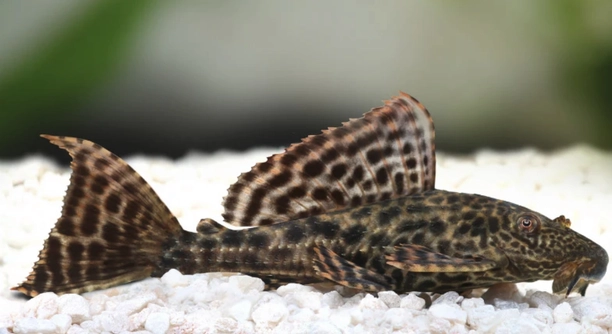
Is your pleco acting differently lately, hiding more, or refusing to eat the food it normally enjoys without hesitation?
Stress in plecos can manifest through changes in behavior, coloration, and eating habits. Common stressors include poor water conditions, inadequate hiding spots, overcrowding, or sudden changes in their environment or tank mates.
Recognizing the signs early can help you improve your pleco’s well-being and create a safer, more stable home for your fish.
Change in Eating Habits
When a pleco is stressed, one of the first things you may notice is a shift in its appetite. A healthy pleco usually eats algae, sinking pellets, and occasional vegetables with consistency. However, stress can make it stop eating or show less interest in food. This can be caused by sudden changes in water quality, tank mates, or environment. Make sure the tank conditions are stable and check the filter regularly. If the pleco is new to your tank, allow some time for adjustment. Soft lighting and quiet surroundings can help reduce anxiety and encourage normal feeding behavior again.
A stressed pleco may also avoid food during the day, especially if the tank is too bright or noisy. Keep an eye on any uneaten food, as it can affect water quality.
Providing blanched vegetables like zucchini or cucumber can help stimulate appetite while keeping the diet natural and gentle.
Color Fading or Darkening
Stress can cause noticeable changes in your pleco’s coloration.
A pleco that is normally dark and patterned may suddenly appear pale or blotchy. On the other hand, some plecos may darken in response to stress. This change in color is often tied to environmental issues like fluctuating water temperature, pH imbalance, or low oxygen levels. Plecos rely heavily on their surroundings to stay healthy, and even small disturbances can trigger visible stress responses. Check for ammonia spikes or irregular nitrate levels, and perform partial water changes as needed. If your pleco lives with aggressive tank mates, consider rearranging the tank or adding hiding spots to reduce confrontation. Dim lighting and a stable routine can also help restore normal coloration. These physical signs should not be ignored, as they often reflect deeper issues with the overall tank environment. Addressing the source of stress promptly helps support your pleco’s recovery and long-term well-being.
Unusual Hiding or Resting Behavior
A pleco that hides more than usual may be showing signs of stress. While plecos are naturally shy, excessive hiding or staying motionless for long periods is often a sign something is wrong.
Unusual resting positions, such as hanging vertically on the glass or lying flat for extended periods, can indicate discomfort. This behavior is sometimes caused by poor water circulation, sudden noise, or temperature swings. Make sure the tank has proper oxygenation and consistent lighting. Stress can also increase if the pleco lacks enough hiding places. Caves, driftwood, or shaded areas can make your pleco feel more secure. Overcrowding is another factor, especially if other fish compete for space. Always monitor how often and where your pleco hides. If it’s spending all day hidden without emerging at night to feed, it may need a calmer, more controlled environment.
Resting more during the day can also be caused by poor tank layout or overly bright lighting. Adjusting the setup can make a big difference. Use broad-leaf plants, shaded décor, or even floating plants to create dimmer zones. Removing or rehoming aggressive fish might also help if your pleco seems bullied. Keep a regular tank maintenance routine to reduce sudden changes, which can lead to excessive hiding and resting.
Rapid Gill Movement or Labored Breathing
Rapid gill movement often means your pleco is struggling with oxygen levels or toxins in the water. It can happen after a water change, if the filter is clogged, or when ammonia spikes suddenly.
A stressed pleco may breathe heavily at the bottom of the tank or come up to the surface more often. This usually means there’s a lack of dissolved oxygen or a buildup of waste. Test the water right away for ammonia, nitrites, and pH levels. Cleaning the filter, increasing surface agitation, or using an air stone can quickly improve oxygen exchange. If other fish show similar signs, act fast. Keep the tank temperature within the right range to prevent low oxygen levels. Never overcrowd the tank or skip water changes, as this will lead to more issues. Watch your pleco closely for improvement once adjustments are made. Consistent care keeps their breathing steady and behavior normal.
Glass Surfing or Erratic Swimming
Glass surfing is when your pleco constantly swims up and down against the tank walls. This usually means it’s stressed by its surroundings. It may be reacting to poor water quality, boredom, or tank mates that make it feel unsafe.
Erratic swimming can also mean your pleco is startled or uncomfortable. Loud noises, vibrations, or sudden light changes can all trigger this behavior. Keep the environment stable and quiet. Avoid tapping on the glass or placing the tank near high-traffic areas. A calm space helps your pleco settle down and move more naturally.
Fins Clamped or Torn
Clamped fins are a clear sign your pleco is feeling unwell. The fins will appear tucked tightly against its body instead of fanned out. This can result from stress due to poor water conditions, aggression, or lack of hiding spaces. Torn fins might come from physical damage, either from tank décor or bullying tank mates. Sharp rocks or rough surfaces should be removed. Monitor interactions with other fish closely. If another fish is consistently aggressive, consider rehoming or dividing the tank. Keep the water clean and stable to support healing and reduce the risk of infection.
Sudden Aggression
Stress can make a normally peaceful pleco act out. It may start chasing other fish or acting territorial. This often happens when it feels threatened or overcrowded. Spread out hiding spots and reduce tank stress to calm behavior.
FAQ
What causes stress in plecos the most?
Stress in plecos is most commonly caused by poor water quality, sudden environmental changes, and inappropriate tank mates. When ammonia or nitrite levels rise, plecos respond quickly with stress-related behaviors. Temperature fluctuations and pH swings also affect their health. Lack of hiding spots or excessive lighting can make them feel exposed and uneasy. Aggressive fish in the same tank may also increase their stress levels. To avoid these issues, it’s important to keep the tank stable and quiet, perform regular water changes, and provide enough shelter for your pleco to feel safe.
How can I tell if my pleco is sick or just stressed?
Stress and illness sometimes look similar, but there are differences. A stressed pleco may show odd swimming, hide more, or stop eating, but it often recovers once conditions improve. Sickness usually brings more specific symptoms like white patches, bloating, red sores, or rapid weight loss. If your pleco doesn’t improve after fixing water quality and reducing noise or light, it may be sick. Watch for signs like stringy poop, damaged fins, or breathing problems. A combination of stress and illness can happen too, so it’s best to act early and keep the tank clean and calm.
Is it normal for plecos to hide all day?
Yes, plecos are mostly nocturnal and prefer to stay hidden during the day. They feel safest in dark, quiet spots. However, if your pleco is hiding all day and not coming out at night to feed, that’s not normal. It could be stressed or unwell. Make sure there are no aggressive fish keeping it from moving freely. Also, check the tank for strong lighting or loud disturbances. Adding driftwood, caves, or shaded corners helps create a comfortable resting space. With the right setup, your pleco should be active during feeding times and at night.
Can tank mates cause stress in plecos?
Yes, the wrong tank mates can be a major source of stress. Fish that nip fins, chase, or outcompete plecos for food can make them anxious. Fast-moving or aggressive species should be avoided. Even peaceful fish can cause trouble if the tank is too crowded or lacks space. Plecos like to have quiet zones and their own territory, especially at night when they’re most active. If your pleco stays hidden or shows erratic swimming after new fish are introduced, monitor their behavior closely. It may be necessary to move or rehome certain fish.
Why is my pleco not eating even after a water change?
If your pleco stops eating after a water change, it could be reacting to a sudden shift in temperature or chemistry. Large water changes done too quickly can shock them. Always match the temperature and treat new water with dechlorinator. If the tank’s ammonia, nitrite, or nitrate levels were high before the change, the stress might still linger. Give your pleco a quiet, dim space and offer soft foods like blanched vegetables. Avoid overfeeding. Wait a day or two, and it may begin eating again. If it continues refusing food, watch for signs of illness or injury.
How long does it take for a stressed pleco to recover?
Recovery time depends on how long the stress lasted and what caused it. In many cases, plecos begin to improve within a few days once the issue is fixed. For example, if water quality improves and tank mates are no longer a problem, you might see changes in behavior quickly. However, if the pleco was stressed for a long time or also has physical injuries, it could take one to two weeks or more. Continue with a consistent care routine and limit handling or tank rearranging during this time. Stability helps them regain confidence and good health.
Final Thoughts
Keeping your pleco healthy starts with understanding how it reacts to stress. These fish are sensitive to changes in their environment, and their behavior often gives clear signs when something is wrong. If your pleco is hiding more than usual, swimming oddly, or showing physical changes like clamped fins or pale coloring, it may be stressed. These signs should not be ignored. Simple changes like adjusting the water quality, adding more hiding spots, or reducing tank noise can make a big difference in how your pleco feels.
Paying attention to your pleco’s daily habits will help you notice problems early. A healthy pleco should move calmly at night, show interest in food, and spend time in its favorite hiding spots during the day. If you see a sudden shift in its activity or behavior, take the time to check everything in the tank. Test the water, observe the other fish, and make sure the tank setup meets your pleco’s needs. Stressed plecos often bounce back when the cause of their discomfort is removed quickly.
Caring for a pleco takes consistency and patience. Stable conditions are key to keeping them calm and active. Avoid large, fast changes to the water, and do routine maintenance on time. Feed them a balanced diet with enough fiber, and make sure they feel secure with hiding spaces and low light during the day. Whether your pleco is new or has been with you for a while, small efforts to reduce stress will help it stay healthy and relaxed in the long run.

Hello,
If you enjoy the content that we create, please consider saying a "Thank You!" by leaving a tip.
Every little bit helps us continue crafting quality advice that supports the health, happiness, and well-being of pets around the world, for pets of all shapes, sizes, and species.
We really appreciate the kindness and support that you show us!