
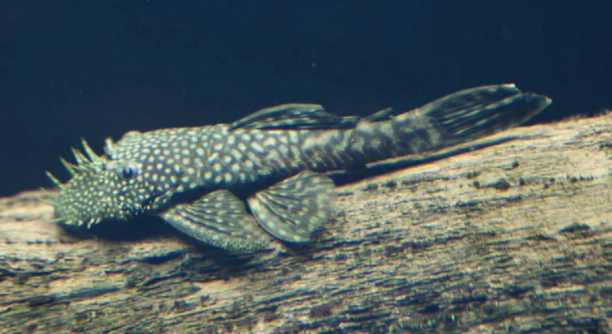
Plecos are popular freshwater fish known for their algae-eating habits. If you have one as a pet, it’s important to know how to tell if it’s growing well. This ensures it stays healthy and thrives in your aquarium.
The best indicators of a healthy, growing pleco include consistent size increase, good appetite, active behavior, and proper skin condition. Regular water changes and a well-balanced diet are also essential for supporting its growth and overall well-being.
Monitoring your pleco’s growth will help you maintain a healthy tank environment. There are a few simple things you can check to ensure it’s thriving.
Size Increase
One of the most obvious signs your pleco is growing well is its size. A healthy pleco will steadily increase in length and girth over time. If you’ve noticed your pleco becoming noticeably bigger, it’s a good sign it’s thriving. However, it’s important to keep track of its growth and compare it with its age. Plecos can grow quickly, especially when given the right environment. Proper tank size, water conditions, and a nutritious diet will contribute to this. Keep an eye on its growth rate, and adjust care if the growth slows down unexpectedly.
Size is important, but it’s just one part of the overall picture. If your pleco is growing steadily, but you notice other issues like poor color or behavior changes, that’s a sign to investigate other aspects of its care.
The rate at which your pleco grows should correspond to its age and tank conditions. If the growth seems too slow, it could be an indication of something wrong. Regular monitoring is key.
Appetite and Feeding Habits
A healthy pleco is a well-fed pleco. If your fish is actively searching for food and eating consistently, it’s likely growing well. Plecos are scavengers and will happily eat algae, sinking pellets, or vegetables.
A change in feeding habits can indicate stress or health issues. If your pleco becomes less active or stops eating, it could be a sign that something is wrong with its environment or health.
A well-fed pleco needs a balanced diet that includes not just algae but also the right mix of proteins and vitamins. Providing a variety of foods ensures proper growth and helps avoid nutrient deficiencies. Keep the tank clean to prevent any food build-up that could lead to health problems.
Activity Level
A healthy pleco will be active, often found grazing on the glass or rocks in the tank. If it spends most of its time hiding or swimming sluggishly, there could be an issue with its growth or environment.
Monitor its activity levels, especially during feeding times. A pleco that shows no interest in swimming or searching for food may be stressed, sick, or not getting enough nutrients. Additionally, plecos need plenty of space to move around, so make sure your tank is large enough to allow for exploration. A lack of exercise could hinder growth and overall health.
Plecos are naturally nocturnal, so they may be more active during the evening hours. If your pleco seems overly lethargic throughout the day, it could be a sign of a problem with the water parameters, such as high ammonia levels or an imbalanced pH.
Skin and Coloration
The appearance of your pleco’s skin and coloration can tell you a lot about its health. A healthy pleco should have bright, clear skin and well-defined markings. Any signs of fading, dullness, or patches can indicate problems with its growth.
Color changes may occur due to stress or poor water conditions, and it’s essential to investigate. Ensure that the water parameters are within the appropriate range. This includes monitoring pH, hardness, and ammonia levels, as they can all impact your pleco’s appearance and health.
Skin issues, like sores or blotchy patches, could indicate an infection or disease that needs attention. Regular water changes and providing a stress-free environment can help maintain healthy skin and vibrant coloration. If these issues persist, seek guidance on potential treatments.
Tank Environment
The tank environment plays a big role in your pleco’s growth. A clean, well-maintained tank with proper filtration will keep the pleco healthy. If the water quality is poor, growth can be stunted.
Plecos need enough space to grow. A small, overcrowded tank can lead to stunted growth and stress. Ensure that your tank has good filtration and aeration, and perform regular water changes. The right environment helps promote the growth of your pleco and supports its overall well-being. A stable environment is key.
Water Parameters
Keep an eye on your tank’s water parameters. Plecos are sensitive to changes in pH, ammonia, and nitrate levels. High levels of toxins can slow down their growth and lead to health problems.
Testing the water regularly and adjusting as needed is essential for keeping your pleco healthy. The ideal pH for most plecos is between 6.5 and 7.5, with ammonia levels as close to zero as possible. Regular water changes will help maintain a healthy environment for growth. If water conditions are not ideal, your pleco may show signs of stress, like poor appetite or inactivity.
Diet Variety
Feeding your pleco a variety of food is essential for its growth. While plecos are primarily herbivores, they also need some protein in their diet. A mix of algae wafers, vegetables, and protein-rich foods will keep them healthy.
Ensure that the food you provide is suitable for their age and size. Overfeeding can lead to water quality issues, so give them the right portions. A varied diet supports growth and ensures your pleco receives all the necessary nutrients. Try to feed them a balanced combination of plant and protein-based foods for optimal health.
FAQ
How fast do plecos grow?
Plecos grow at different rates depending on their species, environment, and diet. On average, a pleco can grow about 1 to 2 inches per year. However, in ideal conditions with a good diet and water quality, some plecos may grow faster. It’s important to keep track of their size and make sure they have enough space to grow properly.
What is the best tank size for a pleco?
The minimum recommended tank size for most plecos is around 75 gallons, especially for larger species. Smaller plecos may do well in a 30-gallon tank, but a bigger space is always better. A larger tank allows for better water quality, more hiding spots, and room to swim, all of which help promote healthy growth.
Can plecos live with other fish?
Yes, plecos are generally peaceful and can live with many other species. However, they should not be housed with overly aggressive fish. Some smaller plecos may even become target food for larger, more aggressive tank mates. Make sure to choose community fish that are compatible in terms of size and behavior.
Why is my pleco not growing?
If your pleco isn’t growing as expected, it could be due to poor water conditions, an inadequate diet, or a small tank. Ensure that the water parameters, including pH and ammonia levels, are correct. Also, check if your pleco is eating enough food and if the tank is large enough to accommodate its growth.
Do plecos need a special diet?
Yes, plecos need a balanced diet that includes both plant-based and protein-based foods. Algae wafers, vegetables like zucchini and cucumber, and occasional protein sources like shrimp or bloodworms are good options. Providing a variety of foods ensures that your pleco gets the right nutrients for healthy growth.
How often should I feed my pleco?
Plecos are opportunistic feeders and can be fed once or twice a day, depending on their size and appetite. Be mindful not to overfeed, as uneaten food can degrade water quality. It’s best to feed them at night when they are most active, but make sure to remove excess food after a few hours.
What should I do if my pleco stops eating?
If your pleco stops eating, it could be a sign of stress, illness, or poor water conditions. Check the water quality first, as bad parameters can cause appetite loss. If the water is fine, try offering different types of food to see if your pleco has a preference. If it still refuses to eat, consider consulting an aquarium specialist.
How can I tell if my pleco is stressed?
Signs of stress in plecos include hiding more than usual, swimming erratically, or showing a lack of appetite. Stress can result from poor water conditions, overcrowding, or incompatible tank mates. If your pleco is stressed, check the water quality and remove any potential sources of stress to help it relax.
Do plecos need hiding spots?
Yes, plecos need places to hide, as they are nocturnal and prefer darker, more secure areas during the day. Providing caves, driftwood, or plants helps give your pleco a sense of security. Without proper hiding spots, they may become stressed or less active.
Can plecos live without algae?
While plecos do eat algae, they can’t rely on it entirely for nutrition. Algae provides an important food source, but plecos also need other types of food, including vegetables and protein. A diet limited to algae will not provide the essential nutrients needed for proper growth and health.
Are plecos easy to care for?
Plecos are relatively easy to care for, but they do require a clean tank with good water quality. Regular water changes, proper filtration, and a balanced diet are essential. While plecos are generally low-maintenance, they do need space to grow and thrive.
Why is my pleco turning black?
Plecos can sometimes change color when stressed or during changes in water conditions. A black coloration may indicate stress or an illness, but it can also be a normal response to environmental factors like lighting. Monitor your pleco closely and check for any signs of illness or poor water quality.
What water conditions do plecos prefer?
Plecos prefer slightly acidic to neutral water with a pH between 6.5 and 7.5. They also prefer soft to moderately hard water. Make sure the water temperature is between 74°F and 80°F. Maintaining these conditions will support healthy growth and prevent stress or disease.
How do I know if my pleco is healthy?
A healthy pleco will have bright, clear skin, a strong appetite, and will be active during feeding times. It will also swim regularly and display natural behaviors like grazing on surfaces. A lack of these signs may indicate that your pleco is stressed or unwell.
Can plecos live without a filter?
While plecos are hardy fish, they still need a proper filtration system to maintain water quality. Without a filter, toxins like ammonia and nitrates can build up, leading to health problems. A filter helps keep the water clean and provides oxygen for the pleco to thrive.
How do I prevent my pleco from getting too big?
If you want to prevent your pleco from growing too large, consider choosing a smaller species that won’t outgrow your tank. Regularly trimming excess growth or limiting food intake may help, but it’s important to note that stunting a fish’s growth can negatively affect its health.
Can plecos live in cold water?
Most plecos prefer warmer water and do not thrive in cold temperatures. The ideal temperature range is between 74°F and 80°F. If the water gets too cold, your pleco may become lethargic, lose its appetite, or suffer from weakened immune function.
Final Thoughts
Growing a healthy pleco takes some attention and care, but it’s well worth the effort. Ensuring that the tank environment is clean, stable, and spacious is the first step to promoting good growth. Plecos thrive in larger tanks with good filtration and regular water changes. Without the right space and clean water, growth may be stunted or slow down, affecting your pleco’s overall health. It’s important to remember that providing the right environment will help not only your pleco grow but also help keep it happy and active.
A varied and balanced diet is another crucial aspect. Plecos are primarily herbivores, but they also need some protein to stay healthy. Feeding your pleco a mix of algae wafers, vegetables, and occasional protein sources will ensure that it gets the right nutrients. Overfeeding can lead to poor water quality, so it’s important to provide food in controlled amounts. Regularly checking water quality and adjusting food intake based on your pleco’s needs will support its growth and help maintain a clean tank.
Lastly, patience is key when it comes to pleco growth. These fish can grow at different rates depending on their species, environment, and diet. While some may grow quickly in optimal conditions, others may take their time. Monitoring their progress and making adjustments as necessary is part of the process. Keep an eye on water quality, provide a balanced diet, and give your pleco enough space to grow, and you will see results. Maintaining these habits will ensure a healthy, well-growing pleco for years to come.

Hello,
If you enjoy the content that we create, please consider saying a "Thank You!" by leaving a tip.
Every little bit helps us continue crafting quality advice that supports the health, happiness, and well-being of pets around the world, for pets of all shapes, sizes, and species.
We really appreciate the kindness and support that you show us!