
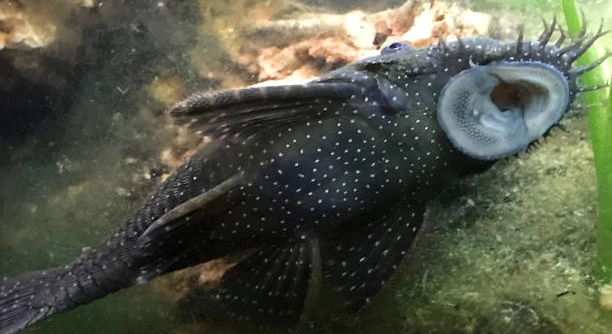
Plecos are fascinating fish that make great additions to aquariums. Understanding their growth stages can help you take better care of them. Knowing when they are fully grown ensures that you provide the best environment for them.
The easiest way to determine if your pleco is fully grown is by measuring its size and observing its behavior. Most plecos reach full size between two and three years, depending on their species. Monitoring their growth and health is essential for proper care.
With the tips in this article, you will better understand how to assess your pleco’s growth and overall well-being.
Size Matters: How to Measure Your Pleco’s Growth
When it comes to determining if your pleco is fully grown, size is one of the most important factors. Plecos grow at different rates depending on their species, but most species will reach their full size within two to three years. A common pleco, for example, can grow up to 24 inches long, while smaller species may only reach around 6 inches. Measuring your pleco regularly is a simple way to track their progress and ensure they are growing at a healthy rate. However, it’s important to consider both their length and overall body mass, as some species may appear fuller without necessarily being fully grown.
Size alone doesn’t always tell the full story, but it is one of the first things to check. When monitoring the size of your pleco, make sure to measure them from head to tail, as some may grow more quickly in length or width. If you notice little to no growth over a prolonged period, it may be a sign of underlying health issues.
Besides size, other aspects like the pleco’s feeding habits and behavior can also indicate its growth stage. A pleco that’s no longer interested in eating as much may have reached full growth, especially if it is older. Ensuring your pleco has a balanced diet can promote healthy growth. It’s a good idea to keep a feeding schedule and observe any changes in eating patterns as they age. If your pleco seems less active or doesn’t finish meals, it might be time to reassess its care routine to match its new needs.
Behavior Changes as a Sign of Full Growth
Behavioral changes are often a sign that your pleco has reached maturity. As plecos grow, they may become less active and more territorial. If your pleco has been swimming around actively but suddenly becomes more reclusive, it may be a sign they are reaching the later stages of growth. Fully grown plecos also tend to spend more time resting, which can be a natural part of their growth cycle.
As they mature, plecos become more focused on maintaining their space within the tank. Territorial behavior can increase, especially during feeding times. Larger plecos might also display more dominance over smaller tank mates, asserting their presence by claiming hiding spots or a particular area of the tank. Keeping an eye on these changes can help you identify when your pleco has reached its full size.
Understanding how your pleco’s behavior shifts will help you provide a better living space for them. It’s important to respect their need for personal space as they grow. Be sure to provide plenty of hiding spots and space for movement to minimize any stress as your pleco matures. This will allow for a more comfortable environment where your pleco can thrive.
Check the Size of the Fins
The size and shape of your pleco’s fins can provide clues about its growth stage. As they mature, their fins will become more defined and proportional to their body size. These changes occur gradually as your pleco reaches its full size. If you notice the fins have stopped growing or appear less flexible, this could indicate that the fish has reached its full size.
Fins also develop specific characteristics based on the species of pleco you have. In many pleco species, the fins will become longer and more pointed with age. A fully grown pleco will show well-defined dorsal and pectoral fins. If you’ve had your pleco for a while, observing these changes will help you determine if they’re growing properly. Regularly inspecting the fins also allows you to spot any potential damage or health concerns.
If you notice any irregularities in fin development, such as uneven growth or signs of fin rot, it’s important to address the issue quickly. Plecos are sensitive to water quality, and poor water conditions can affect their fin health. Ensuring proper tank maintenance and a healthy diet will support healthy fin growth, which directly ties into their overall development.
Feeding Habits and Appetite
Your pleco’s eating habits can tell you a lot about its growth status. As they reach maturity, they may eat less than before, signaling that their growth rate has slowed down. A sudden change in eating habits could mean they are nearing their full size. A healthy adult pleco will typically eat a variety of foods, from algae to vegetables, but they may not consume as much as a growing pleco.
Plecos are known for their constant grazing, so when they begin to eat less or show less interest in food, it can be a sign they are reaching full maturity. If you’ve noticed your pleco eating less, this could mean they no longer need the same amount of nutrients to fuel growth. Although some decrease in appetite is natural, keep an eye on it to ensure the lack of food intake isn’t related to illness or poor water conditions.
As your pleco’s growth slows, their dietary needs will also shift. Offering a balanced diet with high-quality pellets, fresh vegetables, and occasional protein sources will help them maintain health even as they stop growing. Keep their feeding schedule regular, but watch for any changes in behavior that might signal a health concern.
Monitoring Growth Over Time
Regularly tracking your pleco’s growth is essential for understanding its development. Measure their length and note any changes in body mass. Keeping track of this progress allows you to identify when they’ve stopped growing or if any issues arise. This will help you assess their health.
A steady, consistent growth pattern is a good indicator of your pleco’s overall health. If growth slows drastically or stops altogether, it may signal that the pleco has reached its full size. Keep a record of their size at different points to notice trends. This information will be valuable for future care decisions.
Understanding your pleco’s growth trajectory helps you maintain optimal living conditions. Consistent measurements will also let you compare with the average growth rate of their species. By tracking their progress, you can ensure they are developing properly.
Tank Environment’s Impact
The environment your pleco lives in greatly affects its growth rate. Poor water quality, overcrowding, or inadequate hiding spots can stunt their growth. Plecos need clean, well-maintained water to thrive and reach full size. Ensure your tank’s filtration system is strong enough to keep up with waste.
Temperature also plays a role in their growth. Keeping the water temperature in the ideal range will promote proper development. If the water is too cold, your pleco may not grow at its optimal rate. Plecos generally prefer temperatures between 72-78°F (22-26°C). Regular monitoring of the tank’s conditions will help.
Health Signs to Watch
A pleco’s overall health can reflect its growth stage. If you notice signs of illness, such as lethargy or unusual behavior, it may affect their development. Healthy plecos usually exhibit clear, vibrant colors and active behavior. Always monitor their health closely as they mature.
FAQ
How do I know if my pleco is fully grown?
You can tell if your pleco is fully grown by measuring its size, observing its behavior, and checking its fin development. Plecos typically reach their full size within 2-3 years, depending on the species. If you notice little to no growth over time, it could indicate that your pleco is fully grown. Keep an eye on changes in feeding habits, as a pleco’s appetite often decreases once they reach their full size. Additionally, check their fins for any significant growth, as they also develop more fully with age.
What is the average size of a fully grown pleco?
The size of a fully grown pleco can vary widely depending on the species. A common pleco (Hypostomus plecostomus) can grow up to 24 inches, while smaller species like the bristlenose pleco only reach about 4-6 inches. Generally, plecos grow rapidly in their first year, and their growth rate slows down as they reach maturity. Knowing your pleco’s species will help you determine what size to expect when they are fully grown.
Do plecos grow continuously?
Plecos grow quickly in the first few years of life, but their growth rate slows down significantly after they reach maturity. Once they are fully grown, their size will stabilize, and they won’t experience significant growth anymore. However, plecos can continue to develop other aspects, such as their fins and behavior, as they age. Monitoring their size and feeding habits can help you understand when their growth has slowed.
How long does it take for a pleco to reach full size?
On average, a pleco takes 2-3 years to reach full size. Some species may reach their maximum size faster than others. For example, the common pleco can take around 2 years to grow to full size, while slower-growing species may take longer. This growth time is influenced by factors such as tank conditions, diet, and species type. Proper care can help ensure your pleco grows at a healthy rate.
What happens if my pleco doesn’t grow?
If your pleco isn’t growing as expected, it could be a sign of an issue with the environment or health. Poor water quality, lack of proper nutrition, or stress from tank mates can all slow down a pleco’s growth. Make sure the tank is well-maintained with proper filtration, temperature, and space. Also, ensure they have a balanced diet with a variety of foods, such as algae wafers, fresh vegetables, and occasional protein sources. If growth continues to be stunted, consider consulting an aquarium professional.
Can plecos grow too big for my tank?
Yes, plecos can grow too large for smaller tanks, especially the common pleco. If your pleco reaches its full size and the tank is too small, it can lead to stress, poor health, and even early death. It’s important to plan ahead and provide a tank that accommodates your pleco’s expected size. For larger species, a tank of at least 75-100 gallons is recommended. If your pleco is outgrowing its current tank, consider upgrading to a larger one.
Do plecos stop growing after they reach full size?
Once a pleco reaches its full size, it stops growing in terms of length and body mass. However, the pleco may continue to mature, with changes occurring in behavior and fin development. A fully grown pleco will have a more defined body and fins that are proportional to its size. Their appetite may also decrease, as they no longer need to eat as much to fuel growth.
What should I feed my pleco for healthy growth?
To promote healthy growth, feed your pleco a balanced diet that includes a variety of foods. Algae wafers are a staple, as plecos are primarily algae eaters, but they should also be given fresh vegetables such as zucchini, cucumber, and spinach. Occasionally offering protein-based foods, such as bloodworms or shrimp pellets, can help supplement their diet. Make sure to feed your pleco in moderation to avoid overfeeding, which can lead to water quality issues.
How do I care for a pleco once it’s fully grown?
Once your pleco is fully grown, care still involves maintaining a clean tank with proper filtration and temperature control. Plecos require a spacious tank with plenty of hiding spots, as they can be territorial. Regular water changes are essential to keep the tank’s environment healthy. You should continue feeding them a varied diet and monitor their health regularly. Providing the right tank environment and food will help your pleco live a long, healthy life.
What are signs that my pleco is not growing properly?
If your pleco is not growing properly, look for signs such as a lack of appetite, stunted size, lethargy, or changes in behavior. These could be indicators of poor water quality, inadequate diet, or stress from other tank mates. Check the water parameters to ensure the tank is clean and properly filtered. If the pleco is not eating, try offering different types of food to see if it’s more interested in another option. If growth remains slow, it may be worth consulting a professional to rule out any underlying health issues.
How can I speed up my pleco’s growth?
To encourage healthy and faster growth, provide your pleco with optimal tank conditions. This includes maintaining clean water with the right temperature, offering a balanced and nutritious diet, and ensuring enough space for them to move around freely. Avoid overcrowding the tank and make sure they are not stressed by aggressive tank mates. While growth should not be rushed, these steps can help ensure your pleco grows at its optimal rate.
Can I keep multiple plecos in the same tank?
Keeping multiple plecos in the same tank is possible, but it depends on the species. Some plecos can be territorial, especially as they grow older, and may not tolerate other plecos in the same space. If you want to keep multiple plecos, make sure the tank is large enough to give each fish its own space. Provide plenty of hiding spots to reduce territorial behavior. It’s also important to monitor their interactions to prevent aggression.
Final Thoughts
Caring for a pleco as it reaches full maturity requires a deep understanding of its growth patterns and needs. Plecos can grow significantly in their first few years, and recognizing when they have reached their full size is important for maintaining their health. It’s crucial to monitor their size regularly, as well as other factors like water quality, tank space, and diet. By keeping a close eye on these elements, you can ensure that your pleco remains healthy and comfortable throughout its life.
Once a pleco reaches full size, its growth rate will slow down, but this doesn’t mean the care stops. Keeping the tank environment stable and providing a balanced diet will support their long-term health. Plecos thrive in well-maintained tanks with proper filtration, temperature control, and enough hiding spots. Even though they stop growing in length, their behavior and health will still require attention. Regular maintenance is essential to avoid potential issues that could affect their well-being, such as stress or water quality imbalances.
Overall, understanding when your pleco has reached its full size and what it needs at this stage is vital. A healthy pleco will exhibit signs of maturity such as stable size, vibrant colors, and active behavior. Providing the right conditions, like clean water and enough space, is key to ensuring your pleco lives a long and healthy life. Taking care of your pleco at every stage of its growth, including after it’s fully grown, helps promote a stress-free and happy environment for both you and your fish.

Hello,
If you enjoy the content that we create, please consider saying a "Thank You!" by leaving a tip.
Every little bit helps us continue crafting quality advice that supports the health, happiness, and well-being of pets around the world, for pets of all shapes, sizes, and species.
We really appreciate the kindness and support that you show us!