
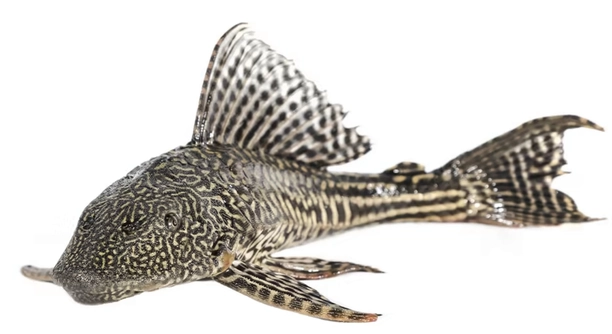
Is your pleco spending more time lying still or ignoring its surroundings in the tank, leaving you unsure if it’s truly content?
Plecos can become bored when their environment lacks stimulation, leading to reduced activity and odd behavior. Recognizing these signs early can help improve their quality of life and support their overall well-being.
Understanding how plecos express boredom can help you create a more engaging and healthier space for your aquatic companion.
Lack of Movement and Interaction
Plecos are generally calm, but they should still show regular signs of activity—especially during nighttime. If your pleco spends most of its time staying in one spot, barely moving or interacting with tank elements, it may be showing signs of boredom. These fish enjoy exploring, grazing on surfaces, and occasionally shifting between hiding spots. A tank that lacks variety can quickly become dull for them. Without enough stimulation, they may stop looking for food or refuse to interact with new additions in their environment. This behavior isn’t just about personality; it’s often a response to monotony. Over time, their health may even decline due to stress or under-stimulation. Regular movement and interaction are good indicators of a content pleco. So, if your fish seems uninterested in its surroundings, it might need a change in its space to stay engaged.
Minimal movement can mean your pleco needs more enrichment. Try adding new plants or driftwood.
Creating a more interactive tank can make a big difference. Plecos enjoy variety, and rotating tank decorations every few weeks is a simple but effective strategy. Adding rock caves, live plants, or textured surfaces can motivate them to explore more. These elements mimic natural environments and give your pleco new spots to examine. Keep in mind that even small changes can trigger curiosity. Something as basic as adjusting the position of a cave or introducing a new hiding space can refresh their interest. Observing how your pleco responds to these changes will help you fine-tune what works best. When they begin moving around more often, grazing on surfaces, or exploring new nooks, it’s usually a sign that the additions are having a positive impact. Providing options for both hiding and grazing helps create a balanced environment where your pleco stays active and healthy without feeling overwhelmed.
Excessive Hiding
If your pleco spends all day hidden and never explores, that can signal it’s bored or stressed. While hiding is natural, never leaving cover could mean it needs more environmental enrichment.
Sometimes a pleco hides because it lacks confidence or stimulation. A tank that stays the same for too long might start to feel stagnant for them. Unlike in the wild where they can move from place to place, an aquarium is limited. To keep things interesting, use a few rotating features. Swapping out hiding spots with different textures or shapes every couple of weeks helps. Also, keep lighting in mind—too much brightness can discourage them from venturing out. Consider adding floating plants to diffuse strong light. A darker, natural feel can make your pleco more likely to explore. The goal is to create a safe but ever-changing space. When they start venturing out more, it’s usually a sign they feel more secure and stimulated.
Unusual Eating Habits
A bored pleco may begin to ignore food or show little interest in its usual feeding routine. This change can develop slowly, making it easy to overlook at first, especially if feeding occurs during off-hours or at night.
If your pleco suddenly stops eating or seems less enthusiastic during feeding times, it may be because the tank lacks stimulation. Boredom affects appetite just like stress does. These fish usually graze on surfaces and should show steady interest in algae wafers or veggies. When they don’t, it’s a sign something’s off. Try introducing feeding puzzles, repositioning food sources, or changing feeding times slightly. A different angle or setup can encourage more engagement. Watch closely for subtle improvements—like increased surface grazing or more activity when food is introduced. These small behaviors often return once your pleco feels more stimulated, indicating that the issue may have been boredom and not illness.
Food routines can also become too predictable. Giving the same type of food in the same way every day may cause your pleco to lose interest. Consider mixing things up with blanched zucchini, cucumber slices, or high-fiber sinking pellets. Changing how and where food is placed can also encourage natural foraging behavior. Try wedging veggies between rocks or hiding small portions in different tank corners. Plecos naturally seek food in hard-to-reach spots, so mimicking this behavior in captivity gives them a task to focus on. A bored fish is less likely to graze or search actively. Keeping the feeding experience varied can stimulate not just appetite but overall energy levels as well. When done consistently, this variety helps break the pattern of disinterest and improves their daily routine.
Glass Surfing or Pacing
Glass surfing—when a pleco repeatedly moves along the tank glass—is a behavior linked to boredom or environmental stress. It usually means the fish is trying to find something more interesting or attempting to escape a space that feels unstimulating.
This behavior might seem harmless at first, but over time it can wear your pleco down. Repetitive pacing or swimming along the glass indicates that the tank may not be offering enough mental or physical engagement. It may also mean there’s not enough structure in the setup—few places to hide, limited textures, or a lack of surfaces to graze on. A pleco’s natural behavior involves scraping, exploring, and hiding. Without these opportunities, they become restless. You can help by increasing décor variety, adjusting lighting, or even tweaking the current with an air stone or filter. These changes offer new points of interest, reducing the repetitive glass movement that often signals boredom or stress.
Damaging or Chewing Decorations
When a pleco starts chewing or scraping at tank decorations more than usual, it may be looking for stimulation. This type of behavior often increases when there’s not enough variety in the tank to hold its attention.
Plecos are natural grazers, but excessive interaction with plastic plants or décor could mean they’re under-stimulated. If they’re constantly scraping non-food items, it’s a sign they’re trying to find something to do.
Lack of Nighttime Activity
Plecos are usually more active at night, so a bored one may skip its regular nighttime movements. You might notice fewer signs of grazing or track marks on surfaces in the morning, which often means they’re staying still or uninterested.
Ignoring Tank Mates
If your pleco used to interact with tank mates but now ignores them, it could be a sign of boredom. This withdrawal might happen gradually, especially in community tanks with peaceful fish.
FAQ
How do I know if my pleco is stressed?
Stress in plecos often manifests as hiding, reduced eating, or swimming erratically. If your pleco is suddenly spending more time in dark corners or behind decorations, it could be stressed. A stressed pleco may also exhibit odd behavior, such as glass surfing or excessive hiding. In some cases, a sudden change in tank mates or environment can cause them to feel unsettled. It’s important to check for common stress triggers like water quality, temperature, and tank size. A healthy, happy pleco will usually be active and will graze regularly on surfaces. If you notice stress signs, address the environment to restore balance.
How can I keep my pleco entertained?
To keep your pleco entertained, you need to create a stimulating environment that mimics their natural habitat. Include plenty of surfaces for grazing, like driftwood, rocks, and live plants. Plecos love to scrape algae and other organic matter, so introducing more opportunities for grazing can help. Additionally, change up the tank décor regularly to prevent monotony. Adding caves or hiding spots gives them a sense of security and encourages exploration. You can also rotate food types and feeding methods to add variety. If your pleco seems uninterested in its food, try rearranging the tank or offering food in new places to spark their curiosity.
Can a pleco get lonely?
Plecos are generally solitary creatures and don’t require constant interaction with other fish to thrive. They don’t necessarily get lonely in the traditional sense, but they do need a suitable environment to feel secure and engaged. While plecos can live alone, they may appreciate the presence of other peaceful fish, particularly if the tank offers plenty of hiding spots. The main issue is ensuring that their environment supports their grazing and exploration habits. A lack of these activities can lead to boredom, which can be mistaken for loneliness. If you do choose to add tank mates, ensure they’re compatible with the pleco’s temperament and tank requirements.
How can I tell if my pleco is happy?
A happy pleco is usually active, exploring the tank, and grazing on surfaces like driftwood or rocks. They will regularly seek food and move around during their active hours, especially at night. Their body should appear healthy and well-fed, not thin or lethargic. A well-maintained environment that includes sufficient hiding spots, grazing surfaces, and clean water is essential for a pleco’s happiness. If they swim freely, occasionally interact with other fish, and eat regularly, these are good signs of contentment. Keep an eye on their behavior and make sure their space has variety to avoid boredom.
Why is my pleco swimming at the top of the tank?
If your pleco is swimming near the top of the tank more than usual, it could be a sign of poor water quality, low oxygen levels, or a lack of hiding places. Plecos typically stay near the bottom of the tank, so behavior like swimming at the surface may indicate that they are searching for air. It’s important to check your tank’s water parameters, including oxygen levels, pH, and ammonia content, as these factors directly affect their health. You can improve water circulation and ensure a clean, well-maintained environment to encourage normal behavior.
How often should I change the water in my pleco tank?
Water changes are critical for maintaining a healthy tank environment. For plecos, aim for partial water changes of about 25-30% every two weeks. This helps maintain water quality, reducing the build-up of harmful toxins like ammonia and nitrates. If your tank has a higher bioload or fewer filtration systems, more frequent water changes may be necessary. Regular water testing will also help monitor parameters like pH, hardness, and oxygen levels. Be sure to vacuum the substrate during water changes to remove any accumulated debris or uneaten food, which could affect water quality.
What size tank does my pleco need?
Plecos are large, active fish that require a spacious tank. The minimum recommended tank size for a pleco is 75 gallons, although larger species may need even more room. A bigger tank provides ample space for grazing, swimming, and finding hiding spots. It also helps maintain water quality by offering more room for filtration and oxygen exchange. When choosing a tank, also consider the number and size of other fish, as overcrowding can lead to stress and limited resources for your pleco. Providing enough space ensures a happier and healthier pleco.
What do plecos eat besides algae?
While plecos are known for grazing on algae, they have a varied diet and need a balanced mix of foods. They should be fed sinking pellets, algae wafers, or blanched vegetables like zucchini, cucumber, and spinach. In addition to plant-based food, they may occasionally enjoy protein-rich foods like brine shrimp or bloodworms. Providing a range of food sources helps ensure they receive all the necessary nutrients. Make sure to vary their diet to prevent boredom and maintain their overall health. Removing uneaten food after a few hours will help prevent water contamination.
How can I prevent my pleco from getting bored?
To prevent your pleco from getting bored, provide a dynamic and stimulating environment. Change the décor in the tank regularly, adding new hiding spots, driftwood, and plants for them to explore and graze. Introduce items like caves or rocks for a natural feel. Ensure there are surfaces for them to scrape, which mimics their natural behavior of grazing on algae. Keep their food varied and place it in different locations to encourage foraging. If your pleco seems uninterested in its environment, rearranging the tank or adding new elements can help rekindle their curiosity.
How long do plecos live?
The lifespan of a pleco can vary depending on the species, but most plecos live between 10 to 15 years in a well-maintained tank. Larger species like the common pleco can live even longer, sometimes reaching up to 20 years. To maximize their lifespan, provide proper care including a spacious tank, balanced diet, and clean water. Regular maintenance, like water changes and testing, helps prevent health problems that could shorten their life expectancy. Plecos thrive in stable, clean environments, and giving them the right care will allow them to live a long, healthy life.
Final Thoughts
Plecos are fascinating fish that can bring beauty and diversity to your aquarium, but they also have unique needs. Like many other fish, they require the right environment to stay healthy and happy. Ensuring your pleco has enough space, food variety, and mental stimulation can help prevent boredom and stress. Understanding the signs of an unhappy or bored pleco allows you to take the necessary steps to improve their well-being. Regularly observe your pleco’s behavior to check if it’s thriving in its environment or if adjustments need to be made.
Creating a tank that mimics their natural habitat is essential for keeping your pleco engaged. Providing surfaces for grazing, like driftwood and rocks, can prevent them from feeling bored and encourage their natural behavior. Adding plants, caves, and other hiding spots can also help them feel secure and give them places to explore. Water quality is another critical factor. Clean, well-maintained water is vital for the health of your pleco and all other tank inhabitants. Regular water changes, proper filtration, and monitoring water parameters ensure that your pleco thrives in a safe, stable environment.
While plecos are typically solitary and can handle being alone, they do need an enriching environment to keep them active. If you notice that your pleco is displaying signs of boredom or stress, try adjusting the tank setup or changing their diet. Plecos may not show affection the same way other fish do, but they are still sensitive creatures that respond well to a thoughtfully prepared environment. By taking small steps to meet their needs, you can ensure that your pleco remains a happy and healthy part of your aquarium for years to come.

Hello,
If you enjoy the content that we create, please consider saying a "Thank You!" by leaving a tip.
Every little bit helps us continue crafting quality advice that supports the health, happiness, and well-being of pets around the world, for pets of all shapes, sizes, and species.
We really appreciate the kindness and support that you show us!