
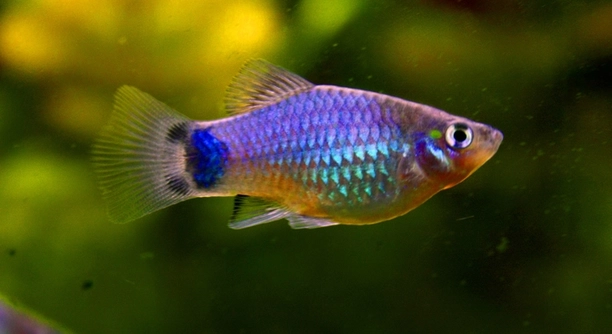
Are your platy fish swimming sluggishly or showing unusual behavior? Keeping their water clean and balanced is essential for their health. Changes in water quality can quickly affect your platy’s wellbeing and comfort in the tank.
Water quality issues in platy tanks can be identified by observing changes in water clarity, odor, pH levels, and fish behavior. Cloudy water, strong smells, and sudden shifts in pH indicate that the water is off and requires immediate attention to prevent harm to your fish.
Recognizing these signs early helps maintain a healthy environment for your platies and prevents long-term problems in your aquarium.
Signs of Cloudy or Discolored Water
Cloudy or discolored water in your platy tank often signals a problem that needs immediate attention. This can result from excess waste, leftover food, or algae growth. When waste builds up, it releases harmful toxins like ammonia and nitrites, which can stress or even poison your fish. Algae can also change the water color, making it look green or brown. Regular water changes and proper filtration help keep the tank clear. Checking for uneaten food and removing it promptly prevents waste buildup. If the water turns yellowish or brown, it may be from tannins released by driftwood or dead plant material. Using activated carbon in your filter can help absorb these discolorations. Maintaining a balanced cleaning routine is essential to ensure your platy fish live in a healthy environment.
Cloudy or discolored water should be corrected quickly to avoid health risks for your fish.
A clean, clear tank is more than just aesthetic—it supports your platy’s immune system and natural behavior. Poor water clarity can reduce oxygen levels, making fish lethargic and less active. By staying on top of cleaning and filtration, you create a stable habitat where your platies can thrive. Monitoring water conditions and making small adjustments regularly prevents sudden problems. This helps avoid stress-related diseases that can affect your fish. Ultimately, clear water is a sign that your tank is balanced, healthy, and safe for your pets.
Unusual Odor from the Aquarium
A strong or foul odor coming from the platy tank usually indicates organic waste buildup or poor water quality. This smell often arises from decomposing food, dead plants, or fish waste not being properly filtered or removed.
Persistent odors require a thorough cleaning and checking your filtration system. Uneaten food and debris should be cleared to prevent the smell from returning. Frequent partial water changes also help keep the tank smelling fresh and maintain a safe environment for your fish.
An unpleasant odor can be a sign of toxic conditions developing in the tank. If left untreated, it can lead to poor fish health and increase the risk of disease. Regular maintenance routines and attention to feeding habits help prevent odors. Proper filtration is crucial to breaking down waste efficiently. Cleaning substrate and decorations removes hidden waste sources that contribute to bad smells. Addressing odors early keeps your platy’s habitat comfortable and promotes their long-term health. It also makes the tank more enjoyable to observe without the distraction of bad smells. Keeping water fresh is one of the easiest ways to care for your fish properly.
Sudden Fish Behavior Changes
Sudden changes in your platy’s behavior can signal that something is wrong with the water quality. Lethargy, hiding, or gasping at the surface are common warning signs.
When water conditions deteriorate, platies may become less active or stop eating. They might hide more often or swim erratically. Gasping at the surface suggests low oxygen levels or toxins like ammonia in the water. These behavioral changes mean immediate water testing and correction are needed. Ignoring these signs can lead to serious health problems or death.
Keeping a close eye on your platy’s normal behavior helps you spot issues early. Regular water testing for ammonia, nitrite, nitrate, and pH ensures the environment remains safe. Adjusting tank maintenance and filtration prevents harmful buildup and supports healthy fish activity.
Changes in Water pH Levels
Sudden shifts in water pH can stress your platy fish and affect their health. Stable pH is necessary for their wellbeing and proper metabolic function.
Regular monitoring of pH levels helps catch any unexpected changes. Factors like tap water, additives, or decaying materials in the tank can cause pH swings. Rapid fluctuations weaken fish immune systems and can cause illness. Maintaining consistent water chemistry through frequent partial water changes and avoiding overfeeding is key. Using buffering agents carefully can help stabilize pH but should be done with caution to prevent further imbalance. Proper pH control supports a healthy, thriving environment for your platies.
Excessive Algae Growth
Excessive algae growth in your platy tank can cloud the water and harm fish health. It usually results from too much light or excess nutrients in the water.
Limiting light exposure and controlling feeding amounts help prevent algae buildup. Regular cleaning of tank surfaces reduces algae growth and keeps water clear.
Filter Malfunction Signs
A malfunctioning filter can cause water quality to decline quickly. Reduced water flow, strange noises, or visible debris indicate a problem.
Filters remove waste and toxins, so maintaining them is essential. Regularly check and clean filter media to ensure proper function and keep water conditions safe for your platies.
Uneaten Food and Waste
Uneaten food and fish waste contribute to poor water quality. These materials break down and release harmful chemicals into the water if not removed promptly.
Regular tank maintenance includes removing leftover food and vacuuming waste from the substrate. This practice keeps the water clean and reduces the risk of toxic buildup, protecting your fish’s health.
FAQ
How often should I change my platy’s water to keep it healthy?
Regular water changes are essential for maintaining good water quality. Generally, changing 20-30% of the water once a week works well for most platy tanks. This helps remove excess waste, toxins, and leftover food that can accumulate and harm your fish. If your tank is heavily stocked or if water tests show poor conditions, more frequent changes may be necessary. Always treat new water with a dechlorinator before adding it to the tank.
What are the most common signs that platy water is off?
Common signs include cloudy or discolored water, strange odors, and changes in fish behavior such as lethargy or gasping at the surface. Sudden pH shifts and excessive algae growth are also indicators. These signs suggest water quality problems that require immediate attention to avoid stressing or harming your platies.
Can I rely on a filter alone to keep the water clean?
Filters play a crucial role in removing waste and toxins, but they cannot replace regular water changes and tank maintenance. Filters need cleaning and sometimes replacement of filter media to work effectively. Uneaten food, fish waste, and decaying plants must be manually removed to prevent water quality from declining. A balanced approach of filtration, water changes, and cleaning is best.
What causes sudden changes in water pH, and how can I fix it?
Sudden pH changes can be caused by tap water chemistry, decaying organic matter, or improper tank maintenance. To fix this, test your water regularly, use a pH stabilizer if needed, and perform partial water changes with treated water. Avoid adding too many new fish or decorations at once, which can disrupt the balance. Keeping a stable environment prevents stress and illness in your platies.
How can I tell if my filter is not working properly?
Signs of filter problems include reduced water flow, unusual noises, or visible debris escaping into the tank. A dirty or clogged filter can also cause cloudy water and foul smells. Regular inspection and cleaning of the filter components ensure it functions properly. If problems persist, replacing the filter media or the entire filter may be necessary.
Is algae harmful to my platies, and how do I control it?
Algae itself is not always harmful, but excessive growth can reduce oxygen levels and make the tank unattractive. It can also compete with plants for nutrients and clog the filter. To control algae, reduce the amount of light the tank receives, avoid overfeeding, and clean tank surfaces regularly. Adding algae-eating fish or snails may also help keep algae in check.
What should I do if I notice my platy gasping at the water surface?
Gasping at the surface usually means low oxygen levels or poor water quality. Test the water for ammonia, nitrites, and nitrates immediately. Improve aeration by adding an air stone or adjusting filter flow. Perform a partial water change to remove toxins and maintain proper oxygen levels. If the problem continues, review your tank’s maintenance schedule and filtration system.
Can leftover food cause water problems?
Yes, uneaten food breaks down and releases harmful substances that degrade water quality. It increases ammonia and nitrite levels, which are toxic to fish. Always feed your platies only what they can eat within a few minutes and remove any leftovers promptly. Regular cleaning of the substrate helps remove hidden food debris.
How do I know if my platies are stressed from poor water conditions?
Signs of stress include faded colors, hiding, loss of appetite, rapid breathing, and erratic swimming. Stress weakens their immune systems and makes them more susceptible to disease. Regular water testing, proper feeding, and consistent tank care help minimize stress. Address any water quality issues as soon as possible to keep your fish healthy.
Is it safe to add water conditioners and treatments regularly?
Water conditioners are important for neutralizing chlorine, chloramines, and heavy metals in tap water. Use them whenever you add new water to the tank. Some treatments help control pH or remove toxins but should be used sparingly and according to instructions. Overuse can disrupt the tank’s natural balance. Regular testing guides when and what treatments are needed.
Final Thoughts
Maintaining good water quality in your platy tank is essential for the health and happiness of your fish. Regular monitoring and care help prevent many common problems that arise from poor water conditions. Paying attention to signs like cloudy water, unusual odors, and changes in fish behavior allows you to address issues early before they become serious. Consistent water changes, proper filtration, and careful feeding are simple but effective steps that make a big difference in keeping your aquarium stable and safe.
Taking the time to understand the needs of your platies and their environment will improve your experience as a fish keeper. Water quality is not always obvious at first glance, so testing the water regularly helps you stay informed and proactive. Small actions such as removing leftover food, cleaning the substrate, and controlling algae growth support a balanced tank ecosystem. These habits reduce stress on your fish and promote their natural activity and vibrant colors.
In the end, a healthy aquarium comes from steady attention and good practices. No tank is perfect all the time, but spotting early signs of trouble gives you the chance to fix problems quickly. Your platies will thrive in clean, well-maintained water that mimics their natural habitat as closely as possible. By following these simple guidelines, you create a pleasant and lasting environment for your fish to live happily.

Hello,
If you enjoy the content that we create, please consider saying a "Thank You!" by leaving a tip.
Every little bit helps us continue crafting quality advice that supports the health, happiness, and well-being of pets around the world, for pets of all shapes, sizes, and species.
We really appreciate the kindness and support that you show us!