
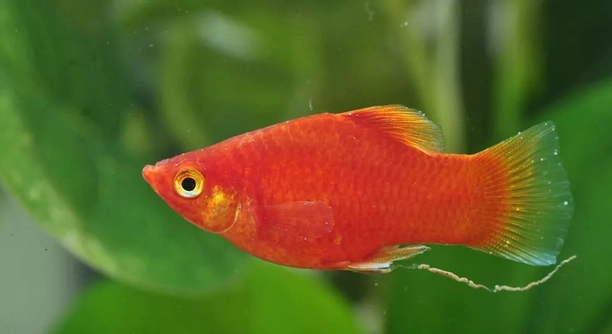
Many people enjoy keeping platies as colorful, peaceful additions to their home aquariums. Observing their behavior can help owners understand how well their fish are adapting to their environment. Happy platies show signs that reflect good health and comfort.
Platies display happiness through active swimming, vibrant coloration, consistent eating habits, and social interaction with other fish. Healthy fins, clear eyes, and calm responses to surroundings also indicate their well-being. These observable traits are reliable indicators of a platy’s happiness.
Recognizing these signs can improve how you care for your platies and create a better home for them in your aquarium.
Active Swimming Behavior
Platies that swim actively throughout the tank are usually content and healthy. They explore their environment calmly without signs of stress or frantic movements. When platies dart nervously or hide for long periods, it can indicate discomfort or illness. A happy platy moves with smooth, steady motions, often gliding near the water surface or exploring plants and decorations. Swimming in groups is also a positive sign, as platies are social fish that feel safer and more comfortable in company. Owners should observe their platies daily to notice any changes in activity levels. Consistent swimming patterns show that the fish are adapting well to their habitat. If platies appear lethargic or inactive, it might be necessary to check water conditions or diet. Regular activity helps platies maintain good health and shows they are enjoying their environment.
Watching for these swimming patterns is an easy way to monitor your platies’ happiness and well-being.
Understanding active swimming can help you create a more suitable and stimulating tank environment, encouraging your platies to thrive.
Vibrant Coloration
Platies with bright, clear colors tend to be healthier and happier. Dull or faded colors may signal stress, poor water quality, or illness. Vibrant colors result from proper nutrition, clean water, and a peaceful environment. Platies show their best colors when they feel safe and comfortable. Tank decorations and lighting also affect how their colors appear. Proper lighting enhances the natural hues, making your platies more visually appealing. Balanced diets rich in nutrients support color intensity, so feeding a mix of flakes, pellets, and occasional live food can help. Stress factors such as overcrowding or aggressive tank mates can reduce coloration, so it’s important to maintain good tank conditions. Regular water changes keep the environment stable, supporting bright, healthy fish. Color changes often reflect how well a platy is adjusting to its home, making it an important sign for owners to watch.
Healthy coloration is a direct reflection of your platies’ overall health and happiness.
Consistent Eating Habits
Platies that eat regularly and show interest in food are usually happy and healthy. Sudden loss of appetite can indicate stress or illness.
A steady appetite means your platy feels safe and comfortable in its environment. Feeding small amounts two to three times daily helps maintain their interest in food without overfeeding. Watch how eagerly they come to the surface or feeding spot when you add food. If a platy ignores food or shows hesitation, it may be a sign of poor health or water quality issues. Offering a varied diet, including flakes, pellets, and occasional live or frozen foods, supports nutrition and encourages consistent eating.
Consistent eating also supports their energy levels for active swimming and social behavior. Feeding habits are an important part of understanding how your platies feel day to day.
Social Interaction
Platies are social fish that thrive when kept in groups. They feel more secure and display happier behaviors when surrounded by companions.
When platies interact peacefully, swimming side by side or gently chasing each other, it shows a healthy social dynamic. Isolated platies may become stressed or shy, which can lead to hiding or reduced activity. Keeping at least three platies together helps reduce aggression and promotes natural behavior. Notice if your platies respond to your presence by swimming closer or becoming more active, as this reflects trust and comfort. Introducing new tank mates gradually ensures smooth social integration. Maintaining a well-balanced community tank helps your platies stay happy and reduces stress-related issues.
Healthy Fins and Scales
Platies with smooth, intact fins and shiny scales are generally in good health. Torn or clamped fins can indicate stress or disease.
Regular observation helps catch early signs of fin damage or scale issues. Clean water and proper nutrition support healthy skin and fins, keeping platies comfortable and happy.
Clear Eyes
Clear, bright eyes are a sign of a happy platy. Cloudy or swollen eyes may point to infection or poor water quality.
Platies rely on good vision to navigate and find food. Maintaining stable tank conditions and regular water changes reduce eye problems and promote overall health.
Calm Responses to Environment
Platies that respond calmly to changes in their environment show signs of comfort. They do not panic when the tank is cleaned or when people approach.
Calm fish adapt easily and display natural behaviors like exploring and socializing. A stable, well-maintained tank encourages this peaceful demeanor.
No Excessive Hiding
If your platy hides too much, it could be feeling stressed or unwell. A happy platy spends most of its time swimming and interacting.
FAQ
How often should I feed my platies?
Feeding your platies two to three times a day with small portions is ideal. Overfeeding can cause poor water quality, so give just enough food that they can finish within a few minutes. A varied diet with flakes, pellets, and occasional live or frozen food keeps them healthy and interested.
What water conditions make platies happy?
Platies thrive in clean water with a temperature between 70°F and 78°F (21°C–26°C). The pH should be slightly alkaline, around 7.0 to 8.2. Regular water changes—about 25% weekly—help maintain these conditions and keep your platies comfortable and healthy.
Can platies live alone?
Platies are social fish and feel more secure in groups. Keeping at least three together encourages natural behaviors and reduces stress. Alone, they may hide more and show less activity, which can affect their happiness and health.
What signs show a platy is stressed?
Stress signs include hiding excessively, clamped fins, loss of color, erratic swimming, and loss of appetite. Stress can result from poor water quality, overcrowding, aggressive tank mates, or sudden changes in the tank environment.
How can I improve my platy’s tank environment?
Adding plants, smooth decorations, and hiding spots helps platies feel safe. Proper lighting enhances their colors and supports plant growth. Avoid overcrowding and maintain good water quality for a stable, stress-free environment.
Why is my platy losing color?
Fading colors often signal stress, illness, or poor water quality. Ensure a balanced diet and check tank conditions. Stress from aggressive fish or frequent changes can also cause color loss. Addressing these issues usually helps restore their vibrant appearance.
How do I tell if my platy is sick?
Look for unusual behavior like lethargy, loss of appetite, clamped fins, spots, or swelling. Regular observation and water testing help catch illness early. Prompt action, like improving water quality or consulting a vet, can save your fish.
Is it normal for platies to hide sometimes?
Platies do hide occasionally, especially when new to a tank or during rest. However, excessive hiding may indicate stress or illness. Provide plenty of plants and decorations so they have safe places to retreat without hiding too much.
Can platies live with other fish?
Platies are peaceful and usually get along with other non-aggressive fish. Avoid keeping them with large or aggressive species. Suitable tank mates include guppies, mollies, and tetras, which share similar water needs and temperaments.
What is the average lifespan of a platy?
Platies typically live two to three years with proper care. Good water quality, a balanced diet, and a stress-free environment help maximize their lifespan and keep them happy throughout.
Final Thoughts
Taking care of platies involves paying attention to their behavior, appearance, and environment. Observing signs like active swimming, vibrant colors, and consistent eating habits helps understand their well-being. When platies are happy, they swim confidently, interact with other fish, and show healthy physical traits. Keeping their tank clean and providing a balanced diet plays a big role in their overall happiness. By regularly checking on these details, owners can ensure their fish stay healthy and comfortable.
Creating a good home for your platies means maintaining stable water conditions and a peaceful environment. Proper temperature, clean water, and suitable tank mates help reduce stress and encourage natural behaviors. Adding plants and decorations not only makes the tank look better but also gives your fish places to explore and hide when needed. Social interaction is important, so keeping platies in small groups helps them feel safe. Stress can cause health problems, so it is best to address any issues quickly.
Overall, caring for platies is a rewarding experience when you understand their needs and behaviors. Watching your fish thrive shows that your efforts make a difference. Even small changes in their environment or diet can improve their happiness. Taking time to learn about these signs will help you become a better caretaker. When platies are happy, they brighten up your aquarium and bring a peaceful, lively touch to your home.

Hello,
If you enjoy the content that we create, please consider saying a "Thank You!" by leaving a tip.
Every little bit helps us continue crafting quality advice that supports the health, happiness, and well-being of pets around the world, for pets of all shapes, sizes, and species.
We really appreciate the kindness and support that you show us!