
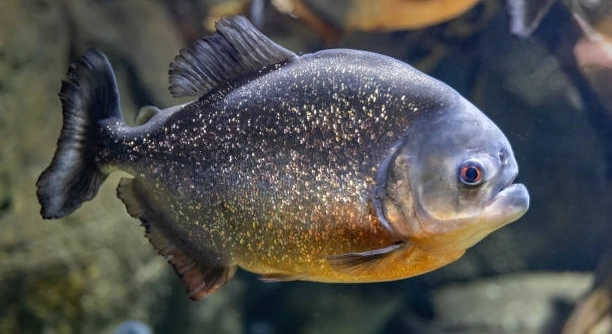
Are your piranhas acting restless or showing signs of stress? Many fish owners might not realize when their piranha tank is too small for their pet’s needs. Proper tank size is essential for healthy, happy piranhas.
A piranha requires ample space to swim and grow, and an overcrowded tank can cause stress, illness, and aggressive behavior. Regularly assessing your tank’s size and the number of fish ensures a suitable environment for your piranha’s well-being.
Knowing how to spot these signs early can help you avoid problems and keep your piranha thriving in its home. Understanding these basics will guide you toward better care.
Signs of Overcrowding in Your Piranha Tank
When a tank is too small, piranhas often start to act differently. They may become more aggressive, chasing or nipping at each other more often. You might notice them hiding more, which can be a sign they feel stressed or threatened. Their colors may also fade, and they might stop eating regularly. Overcrowding reduces the oxygen available in the water, making it harder for fish to breathe and stay healthy. The buildup of waste increases, causing poor water quality that harms your piranha’s immune system. Sometimes, piranhas may even develop physical issues like fin rot or unusual spots on their bodies. These signs are important indicators that your tank may be too small or overstocked. It’s essential to keep an eye on your piranha’s behavior and appearance as these are the earliest warnings that something needs to change.
Poor water quality caused by overcrowding is a key factor in unhealthy fish conditions.
Keeping your tank clean and appropriately sized will help your piranhas stay active, colorful, and healthy for years.
Growth and Space Needs
Piranhas grow quickly and need enough space to swim comfortably.
As your piranha grows, the tank size that was once suitable may become cramped. A small tank limits their natural swimming behavior, causing stress and reducing their lifespan. Ideally, each piranha should have at least 20 gallons of water to move freely. If you notice your fish scraping against decorations or the tank walls often, it’s a sign they are running out of room. Small tanks can also cause poor water circulation, which affects oxygen levels and increases toxins. Regularly measuring your fish and tank helps you determine if it’s time to upgrade. Giving your piranha a larger tank allows for better water quality, more stable temperature, and enough space for hiding spots, which reduces aggression. Upgrading a tank not only improves their health but also makes watching them more enjoyable as they swim naturally.
Uneven Behavior Among Fish
Piranhas in a crowded tank often show uneven behavior. Some may become aggressive, while others hide or refuse to eat. This imbalance is a sign your tank might be too small or stressful.
Stress from overcrowding can cause piranhas to fight for space and food. Dominant fish might chase or nip weaker ones, leading to injuries. At the same time, shy or stressed fish may hide constantly or lose their appetite. This behavior imbalance reduces overall health and weakens immune systems, making illness more likely. When space is limited, piranhas cannot establish comfortable territories, increasing tension. Observing these changes early can help you decide if a bigger tank is needed to restore peace and balance.
Providing enough room allows all fish to behave naturally. A proper-sized tank reduces stress and aggression, encouraging healthier interactions and feeding habits.
Frequent Water Changes Needed
When a tank is too small, water quality deteriorates quickly, requiring frequent changes.
Small tanks hold less water, so waste builds up faster. Ammonia, nitrites, and nitrates can reach dangerous levels without proper filtration and space, harming your piranhas. In a cramped tank, fish produce more waste per gallon, increasing toxins. Frequent water changes are necessary to maintain safe water conditions but can be stressful for the fish. This constant cleaning is a sign your current tank may be inadequate. A larger tank dilutes waste, stabilizes water chemistry, and reduces the frequency of water changes needed. Upgrading your tank improves your piranha’s health by creating a cleaner, more stable environment. It also saves you time and effort in maintenance.
Increased Aggression
Overcrowded tanks often lead to increased aggression among piranhas.
When space is tight, piranhas feel threatened and compete more for territory and food. This causes frequent fights and stress.
Rapid Growth and Tank Size
Piranhas grow quickly and need enough space as they get bigger. Without enough room, their growth may be stunted, and they may show signs of stress. A larger tank supports healthy development and allows your piranha to swim freely. Keeping your tank size updated with your fish’s growth is important to avoid these problems.
Difficulty Maintaining Water Quality
Smaller tanks become polluted faster, making it harder to keep water clean and safe.
Reduced Activity
Piranhas in small tanks often become less active. Limited space means they can’t swim naturally, leading to boredom and poor health.
FAQ
How do I know when my piranha has outgrown its tank?
When your piranha starts showing signs of stress like hiding, aggression, or fading color, it might be time for a bigger tank. Also, if the fish seems cramped and unable to swim freely or often scrapes against the tank walls, it’s a strong indicator your tank is too small. Measuring your piranha and comparing it to the recommended tank size helps. A good rule is to provide at least 20 gallons per adult piranha to ensure enough space.
What tank size is best for a single piranha?
A single adult piranha needs at least 20 gallons of water. This space lets it swim freely and reduces stress. Smaller tanks may be okay for young piranhas but only temporarily, as they grow fast. For multiple piranhas, increase the tank size accordingly, adding 10-15 gallons per additional fish. Proper tank size helps maintain water quality and gives your fish a better environment to thrive.
Can I keep multiple piranhas in a small tank?
Keeping multiple piranhas in a small tank is not recommended. Overcrowding causes stress, aggression, and poor water quality. Piranhas are naturally territorial, and tight spaces increase fights. If you want a group, provide a large tank with plenty of hiding spots and swimming space. This reduces stress and promotes healthier behavior.
What are the signs of poor water quality?
Poor water quality often shows through cloudy or smelly water, fish gasping at the surface, or unusual behavior like lethargy or loss of appetite. You might also see physical signs like faded colors or damaged fins. Testing water parameters regularly, especially ammonia, nitrites, and nitrates, helps catch problems early. Poor water quality is often linked to overcrowding or insufficient filtration.
How often should I change the water in my piranha tank?
Water changes depend on tank size and stocking levels. For a well-sized tank with good filtration, changing 20-30% of the water every one to two weeks is typical. Smaller or overcrowded tanks need more frequent changes to maintain safe water conditions. Regular partial water changes remove waste and toxins, keeping your piranha healthy. Avoid changing all the water at once, as this can shock the fish.
Can tank size affect my piranha’s lifespan?
Yes, tank size directly impacts a piranha’s lifespan. A cramped environment causes stress, poor water quality, and increased disease risk. Larger tanks provide stable conditions, better oxygen levels, and space for natural behavior, all of which contribute to longer, healthier lives. Keeping your piranha in an appropriately sized tank is one of the best ways to ensure its well-being.
What should I do if I can’t get a bigger tank immediately?
If upgrading your tank isn’t possible right away, focus on improving water quality and reducing stress. Perform more frequent water changes, keep the tank clean, and avoid overfeeding. Limit the number of fish in the tank temporarily and provide hiding spots to reduce aggression. Monitor your piranha closely for signs of illness or distress. Upgrading to a larger tank should be a priority as soon as you can.
Are there alternatives to a bigger tank if space is limited?
If space is a problem, consider fewer or smaller fish instead of multiple large piranhas. You can also create a taller tank to increase water volume without taking up too much floor space. Strong filtration and regular maintenance can help, but these don’t replace the benefits of proper swimming room. Remember, a healthy fish needs enough space to move naturally and live comfortably.
What equipment is important for a bigger tank?
When upgrading, a powerful filter is essential to handle the larger volume and waste. A reliable heater keeps water temperature stable, and an air pump improves oxygen levels. Test kits for water quality help maintain safe conditions. Adding plants or decorations provides hiding spots and reduces stress. Proper equipment ensures your larger tank stays healthy and comfortable for your piranha.
How long does it take for a piranha to adjust to a bigger tank?
Most piranhas adjust to a bigger tank within a few days to a week. Initially, they may hide or explore cautiously. Maintaining stable water conditions during the move reduces stress. Avoid sudden changes in temperature or water chemistry. Once settled, your piranha should become more active and display natural behaviors. Watching your fish adapt is rewarding and shows the benefits of providing the right environment.
Final Thoughts
Taking care of a piranha means paying close attention to its tank size. A tank that is too small can cause many problems like stress, aggression, and poor health. It is important to provide enough space for your piranha to swim and grow comfortably. Watching your fish’s behavior and appearance can help you know when it is time to upgrade to a bigger tank. Signs like hiding, fading color, or constant aggression show that the current environment may not be suitable.
Regular maintenance is just as important as tank size. Even if you have a large tank, water quality must be kept in check. Overcrowded or small tanks need more frequent water changes to keep your piranha healthy. Using good filtration and monitoring water parameters like ammonia, nitrites, and nitrates will protect your fish from illness. Taking these steps ensures a safe and clean home for your piranha, which helps it live a longer and happier life.
Choosing the right tank size is one of the best things you can do for your piranha’s well-being. A bigger tank allows your fish to behave naturally and reduces stress and disease risk. While upgrading might require effort and expense, it is worth it to see your piranha thrive. Remember that your fish depends on you for a good environment. By giving it enough room, clean water, and proper care, you create the best chance for a healthy and active pet.

Hello,
If you enjoy the content that we create, please consider saying a "Thank You!" by leaving a tip.
Every little bit helps us continue crafting quality advice that supports the health, happiness, and well-being of pets around the world, for pets of all shapes, sizes, and species.
We really appreciate the kindness and support that you show us!