
Are your piranhas showing signs of good health and contentment in their tank? Many fish owners want to ensure their aquatic pets live happily and thrive in their environment. Knowing what to look for helps keep your piranha comfortable.
A happy piranha exhibits clear eyes, active swimming, proper appetite, vibrant coloration, smooth scales, regular breathing, and peaceful interactions with its surroundings. These indicators signal that the fish is healthy and well-adjusted to its habitat.
Recognizing these signs can improve your care routine and strengthen the bond with your piranha. This guide will help you observe your fish more closely and create a better environment for them.
Clear Eyes and Vibrant Colors
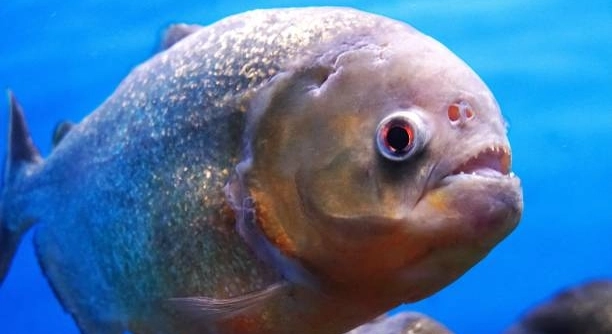
When your piranha’s eyes are clear and bright, it’s a good sign of health. Cloudy or dull eyes can mean stress or illness. The color of your piranha also shows its mood and condition. A happy piranha usually has rich, vibrant colors. When the colors start to fade or look dull, it might be feeling unwell or stressed. Maintaining clean water and a proper diet helps keep their colors bright and their eyes clear. Watching these features regularly will give you a quick idea of your piranha’s overall health. It is easy to miss subtle changes at first, so paying close attention is important. Clear eyes and vivid colors show that your piranha feels secure and is thriving in its environment.
Healthy piranhas often appear alert and engaged, with their natural colors shining. Bright colors and clear eyes reflect a balanced and stable habitat.
Focusing on these visible signs is one of the easiest ways to check your piranha’s well-being. Ensure your tank water is clean, the temperature is right, and that your piranha gets proper nutrition. These factors support strong color and clear eyes. In return, your piranha will look lively and active. Keep a routine to monitor these signs often, and it will be easier to catch any problems early. This simple step helps your piranha stay happy and healthy for a long time.
Active Swimming and Regular Breathing
Active swimming shows that your piranha is comfortable in its tank. When it moves smoothly and explores its space, it is usually happy. Slow or erratic swimming might mean stress or health issues. Regular breathing is another important sign. Your piranha should breathe at a steady pace without gasping or rapid breaths. Watching how your fish moves and breathes helps you spot early problems.
A piranha that swims well and breathes evenly is likely enjoying its environment and feeling good.
Regular exercise keeps your piranha strong and healthy. Inactivity or staying at the bottom of the tank can suggest illness. It’s important to provide enough room and clean water for swimming. Avoid overcrowding the tank, which can cause stress and poor breathing. Also, check the water quality often to ensure oxygen levels are sufficient. When your piranha shows lively swimming and calm breathing, it means the habitat supports its needs well. Keeping these factors balanced will encourage natural behavior and improve your piranha’s overall happiness.
Proper Appetite and Feeding Behavior
A piranha that eats regularly and with enthusiasm is generally happy and healthy. Loss of appetite can indicate stress or illness, so consistent feeding habits are important to observe.
When your piranha eagerly takes food at feeding time, it shows good health and comfort in its environment. Sudden changes in appetite may signal water quality issues or disease. Make sure to feed your piranha a balanced diet that includes protein and occasional treats to keep it nourished. Overfeeding should be avoided, as it can cause water pollution and digestive problems. Monitoring feeding habits helps you catch health problems early and maintain your piranha’s happiness.
Feeding behavior also reflects how comfortable your fish feels with its surroundings. A shy or stressed piranha may hide and refuse food. Encouraging a calm environment and consistent routines helps improve appetite and feeding response.
Smooth Scales and Skin Condition
Smooth, intact scales indicate your piranha’s good health and well-being. Damaged or rough scales may point to injury, parasites, or poor water conditions.
Healthy scales protect the fish from infections and help maintain balance in the tank. Regularly check your piranha for any signs of discoloration, missing scales, or unusual spots. Keep the tank clean and maintain stable water parameters to prevent skin problems. If you notice scale damage, isolate the affected fish and seek advice for treatment. Good tank hygiene and a proper diet support strong skin and scales.
Taking care of your piranha’s skin is key to preventing diseases. Proper water flow, gentle tank mates, and clean environments reduce stress and scale damage. When scales look smooth and intact, it’s a clear sign your fish feels secure and is well cared for.
Peaceful Interactions with Tank Mates
A happy piranha usually shows calm behavior around other fish. Aggression or constant hiding can signal stress or discomfort.
When your piranha coexists peacefully with tank mates, it means the environment suits all inhabitants well. Balance and proper space are important.
Regular Activity Patterns
Consistent activity during the day and rest at night indicate a healthy routine for your piranha. Irregular or restless behavior can be a sign of stress or poor tank conditions. A stable schedule supports overall well-being.
Proper Breathing Rate
Your piranha should have a steady, calm breathing rate. Rapid or heavy breathing often points to water quality issues or illness.
How often should I feed my piranha to keep it happy?
Feeding your piranha once or twice a day is generally enough to keep it healthy and satisfied. Overfeeding can lead to poor water quality, which stresses the fish. A balanced diet with fresh or frozen foods rich in protein works best. Avoid feeding too much at once to prevent leftovers that pollute the tank.
What are signs of stress in piranhas?
Signs of stress include hiding constantly, loss of appetite, erratic swimming, faded colors, and rapid breathing. Stress often comes from poor water quality, overcrowding, or aggressive tank mates. Watching for these changes helps you respond quickly and adjust care.
Can piranhas live peacefully with other fish?
Piranhas can live with other fish, but it depends on tank size and species. They are naturally territorial and may show aggression in small or crowded tanks. Choosing robust, fast-swimming fish and providing plenty of hiding spots reduces conflicts and helps maintain peace.
How important is tank size for piranha happiness?
Tank size is very important. A minimum of 20 gallons per piranha is recommended to provide enough space for swimming and reduce stress. Small tanks cause poor water quality and aggressive behavior. More space means a healthier, calmer fish.
What water conditions are best for piranhas?
Piranhas thrive in clean water with stable temperature between 75-80°F (24-27°C), pH between 6.5 and 7.5, and moderate hardness. Regular water changes and good filtration keep these conditions steady. Testing water weekly helps catch problems early.
How can I tell if my piranha is sick?
Look for signs like lethargy, loss of appetite, clamped fins, white spots, or damaged scales. Rapid breathing and unusual swimming also indicate illness. Early detection is key. Quarantine sick fish and treat as needed with appropriate medication.
Do piranhas need companions, or should they be kept alone?
Piranhas are social but can be aggressive. Keeping a group of at least four helps reduce aggression, but they need enough space. A single piranha may become stressed or lonely. Proper tank size and monitoring behavior are essential when housing multiple piranhas.
Is lighting important for piranha health?
Moderate lighting that mimics natural day and night cycles supports piranha health. Too much light stresses the fish, while too little can affect their activity levels. A timer for aquarium lights helps maintain consistent light periods and supports their natural rhythm.
What should I do if my piranha stops eating?
If your piranha stops eating, check water quality, temperature, and tank conditions first. Stress, illness, or poor diet may cause loss of appetite. Try offering different foods, like live or frozen options. If it continues refusing food for several days, seek advice from a fish specialist.
How often should I clean the tank to keep my piranha happy?
Regular partial water changes, about 20-30% weekly, help keep the tank clean and water quality high. Clean filters monthly but avoid changing all media at once to maintain beneficial bacteria. Proper maintenance reduces stress and keeps your piranha healthy.
Taking care of a piranha well means paying close attention to its behavior and environment. Happy piranhas show signs like clear eyes, bright colors, smooth scales, and steady breathing. They swim actively, eat properly, and interact calmly with other fish. These signs are good ways to know if your piranha is comfortable and healthy. Watching your fish regularly helps catch any early problems before they get worse.
Creating a good environment is important for your piranha’s happiness. The tank needs to be large enough and have clean, well-filtered water. Water temperature and pH levels should be stable and within the right range. Feeding your piranha a balanced diet and avoiding overfeeding also supports its health. Keeping the tank clean with regular water changes prevents stress and illness. Providing enough space and hiding spots helps reduce aggression and keeps your fish calm.
By understanding what makes a piranha happy, you can improve your care and enjoy watching your fish thrive. Regularly checking for signs like appetite, swimming behavior, and skin condition will guide you in making changes when needed. Your efforts create a safe and comfortable home for your piranha, helping it live a long and healthy life. Taking simple steps every day makes a big difference in your piranha’s well-being.

Hello,
If you enjoy the content that we create, please consider saying a "Thank You!" by leaving a tip.
Every little bit helps us continue crafting quality advice that supports the health, happiness, and well-being of pets around the world, for pets of all shapes, sizes, and species.
We really appreciate the kindness and support that you show us!