
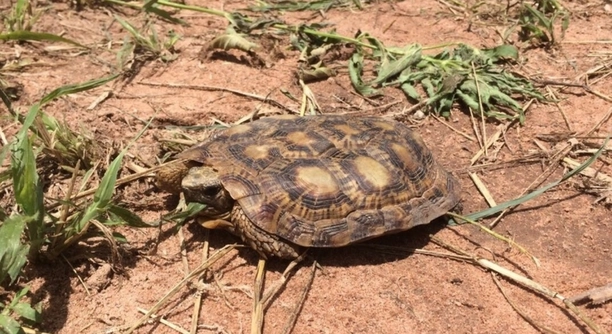
Overfeeding a pancake tortoise can lead to several health problems. These reptiles need careful attention to their diet, as too much food can be just as harmful as too little. Knowing the signs of overfeeding is important.
The primary indicator that your pancake tortoise may be overfed is an increase in its weight and a noticeable lack of activity. Excessive food intake can lead to obesity, causing health issues such as shell deformities or difficulty moving.
Understanding these signs is essential for keeping your tortoise healthy and active. By monitoring their diet, you can ensure a balanced and happy life for your pet.
Common Signs Your Pancake Tortoise Is Overfed
An overfed pancake tortoise may show several signs. Weight gain is the most obvious, but sluggish behavior is also common. If your tortoise becomes less active and spends more time hiding, it could be a sign of overfeeding. These animals naturally have a slower metabolism, so overeating causes them to gain weight quickly. This excess weight can affect their ability to move freely and result in poor shell health. It’s important to watch for these changes in activity level and appearance to ensure your tortoise isn’t overfed.
A sudden increase in food intake, especially if it includes high-calorie items, can lead to these issues. Consistency in portion sizes is key for keeping your tortoise at a healthy weight.
In addition to weight gain and lack of movement, overfeeding can cause digestive problems in pancake tortoises. When fed too much, their systems may become overwhelmed, leading to issues like bloating and discomfort. Overfeeding can even contribute to shell deformities over time. Balancing their diet and avoiding high-fat or overly rich foods is crucial to prevent such complications. Regularly adjusting portion sizes according to their activity level and environmental conditions will help ensure they stay healthy. Be mindful of their diet, and consider consulting a vet if you’re unsure of the right amount to feed them.
Proper Portion Sizes for a Healthy Pancake Tortoise
Monitoring the food portions of your pancake tortoise is crucial for its health. By keeping portion sizes consistent, you can avoid the risks associated with overfeeding.
A balanced diet should consist mainly of leafy greens and other vegetables. Only occasionally should you feed them fruits or high-fat foods.
The Importance of Variety in Their Diet
Pancake tortoises need variety in their diet to maintain optimal health. Relying on just one type of food can lead to nutritional imbalances. Incorporating different greens, vegetables, and occasional fruits can provide the necessary nutrients for your tortoise to thrive.
Feeding a variety of plants ensures that your pancake tortoise gets a balanced diet. Leafy greens like kale, dandelion greens, and collard greens are great staples. Offering a mix of vegetables like carrots, zucchini, and bell peppers can add essential vitamins and minerals. However, fruits should be limited as they tend to be higher in sugar and calories. A diversified diet will prevent deficiencies and support your tortoise’s overall well-being.
Variety in their diet also prevents boredom and encourages natural foraging behavior. In the wild, tortoises are used to searching for different plants and food sources, which keeps them mentally stimulated. By providing a range of foods, you mimic their natural environment, improving their quality of life. You’ll also help ensure that their digestive system remains in good working order.
Monitoring Their Activity Levels
Active pancake tortoises are healthier and more engaged in their surroundings. Monitoring their activity level is a key indicator of their overall well-being. A sudden decrease in movement can signal health issues or overfeeding.
If your pancake tortoise isn’t moving much or seems lethargic, it’s time to assess their food intake. Overfeeding is a common reason for reduced activity. Excess weight can make it harder for them to move around, leading to inactivity. Along with observing physical signs, you should track their behavior closely. When healthy, tortoises tend to be more active, exploring their environment and seeking food. If their activity levels drop significantly, it might be a sign that they need fewer meals or a change in their diet.
In addition to monitoring activity, you should also ensure that your tortoise has a proper enclosure that encourages movement. The more room they have to roam, the more likely they will stay active. Providing natural hiding spots and climbing structures within their enclosure can also engage them physically and mentally, further helping to prevent issues like obesity and lethargy.
Adjusting Their Diet for Seasonal Changes
Seasonal changes can affect a pancake tortoise’s activity and food needs. During colder months, they might eat less, so adjusting portions accordingly helps prevent overfeeding. Their metabolism slows down, making it important to avoid feeding them as much as you would in warmer months.
In the winter months, pancake tortoises naturally become less active, requiring fewer calories. Their appetite may decrease as their activity level drops. This is a great opportunity to scale back on food portions and avoid overfeeding. You should pay attention to their behavior during these times to ensure you’re not overfeeding out of habit. A diet that matches their current needs helps maintain a healthy weight and supports their natural hibernation cycles.
Overfeeding Can Affect Their Shell Health
Overfeeding can lead to unhealthy shell growth in pancake tortoises. When they are fed excessively, their shells may become misshapen or too heavy. A balanced diet is necessary to ensure proper growth and shell development.
The growth of a pancake tortoise’s shell is closely tied to its diet. Overfeeding can lead to excessive weight, which strains the shell and can cause deformities over time. Additionally, when the tortoise’s body gets too large, it may struggle to properly support the shell, affecting overall health. Monitoring their diet and adjusting it to prevent overfeeding is crucial for avoiding such problems.
Water Intake and Overfeeding
Water intake is important for a balanced diet. Even though it may not directly relate to overfeeding, ensuring your tortoise has access to clean water is essential for digestion and overall health.
FAQ
What happens if I overfeed my pancake tortoise?
Overfeeding a pancake tortoise can lead to obesity, which affects their overall health. Excess weight can put a strain on their shell, leading to deformities. Overfed tortoises also tend to become less active and may suffer from digestive issues. It is crucial to monitor their food intake and ensure they have a balanced diet to prevent these health problems.
How can I tell if my pancake tortoise is overweight?
You can tell if your pancake tortoise is overweight by observing its activity levels and overall body shape. If the tortoise is lethargic, has difficulty moving, or its shell appears swollen or misshapen, these could be signs of excess weight. Regularly checking their weight and comparing it to recommended guidelines is also helpful in tracking any changes.
Can I feed my pancake tortoise fruits?
While fruits can be a treat for your pancake tortoise, they should be given in moderation. Fruits tend to be high in sugar and can contribute to weight gain if fed too frequently. Stick to feeding fruits as an occasional treat, and prioritize leafy greens and vegetables for their main diet.
How often should I feed my pancake tortoise?
Pancake tortoises should generally be fed every other day, but this depends on their age and activity level. Younger tortoises tend to eat more frequently, while adults may require less food. Adjust their feeding schedule based on their individual needs and size.
What vegetables are best for a pancake tortoise?
Leafy greens like kale, collard greens, dandelion greens, and mustard greens are excellent choices for a pancake tortoise. These provide essential vitamins and minerals needed for their health. Vegetables like squash, carrots, and bell peppers can also be given occasionally. Avoid high-calcium vegetables like spinach, as they can lead to kidney problems if fed in excess.
Can I feed my pancake tortoise commercial pellets?
Commercial pellets can be used as a supplement but should not replace a varied, fresh diet. Many commercial foods contain fillers and may not provide the full range of nutrients your tortoise needs. It’s best to use pellets sparingly and focus on fresh vegetables and greens.
Should I feed my pancake tortoise every day?
No, feeding your pancake tortoise every day may lead to overfeeding, especially if they aren’t as active. They typically do well with every other day feeding. You should also pay attention to their body condition and adjust food portions as necessary. Overfeeding can contribute to obesity and health issues over time.
How much should I feed my pancake tortoise?
The amount you should feed your pancake tortoise depends on its size, age, and activity level. A general rule is to provide enough food to allow them to eat until they are satisfied, but not to overfeed. For adults, a small pile of leafy greens should suffice every other day. Adjust portions based on their individual needs and watch for signs of overeating.
What other foods can I give my pancake tortoise?
In addition to leafy greens and vegetables, you can feed your pancake tortoise occasional treats like flowers, berries, and cactus pads. Avoid feeding them dairy, processed foods, or meats, as these are not suitable for tortoises. Keep their diet plant-based and well-balanced to promote long-term health.
Is it okay to give my pancake tortoise protein?
While pancake tortoises are primarily herbivores, they can occasionally eat small amounts of protein, such as insects or worms. However, protein should not make up a large portion of their diet. Too much protein can cause kidney problems, so it’s important to feed it in moderation.
What are the risks of feeding my pancake tortoise too much?
Feeding your pancake tortoise too much can lead to various health issues. Obesity is the most common risk, which can lead to difficulty moving, shell deformities, and reduced lifespan. Overfeeding can also cause digestive problems like bloating and constipation. It’s important to maintain a balanced diet and avoid overfeeding to keep your tortoise healthy.
How can I adjust my pancake tortoise’s diet for different life stages?
As your pancake tortoise ages, its diet needs will change. Young tortoises require more food to support growth, while adult tortoises may eat less frequently. For older tortoises, you might need to adjust their portions to prevent weight gain and ensure they’re still getting the right nutrients. Regularly check their condition and adjust their diet accordingly.
Final Thoughts
Caring for a pancake tortoise requires careful attention to its diet and overall health. Overfeeding can lead to various health issues such as obesity, shell deformities, and digestive problems. By monitoring their food intake and adjusting portions as needed, you can help ensure your tortoise remains healthy and active. A balanced diet, focused on leafy greens and vegetables, is the key to maintaining their well-being. Offering occasional treats like fruits and flowers is fine, but these should be given sparingly to prevent overfeeding.
It’s also important to consider the age and activity level of your tortoise when adjusting its feeding schedule. Younger tortoises tend to eat more frequently, while adults need less food as their metabolism slows down. Seasonal changes can also play a role in how much they eat, as colder weather often causes them to become less active. Keeping an eye on your tortoise’s body condition and activity level will help you determine the right amount of food for them. Always provide fresh water to support digestion and overall health.
Ultimately, understanding the needs of your pancake tortoise and making adjustments to its diet as necessary will help it live a long and healthy life. Regularly reviewing their feeding habits and maintaining a balanced diet will ensure that overfeeding doesn’t become an issue. Proper care and attention to detail, like controlling portion sizes and monitoring their health, will help keep your pancake tortoise thriving for years to come.

Hello,
If you enjoy the content that we create, please consider saying a "Thank You!" by leaving a tip.
Every little bit helps us continue crafting quality advice that supports the health, happiness, and well-being of pets around the world, for pets of all shapes, sizes, and species.
We really appreciate the kindness and support that you show us!