
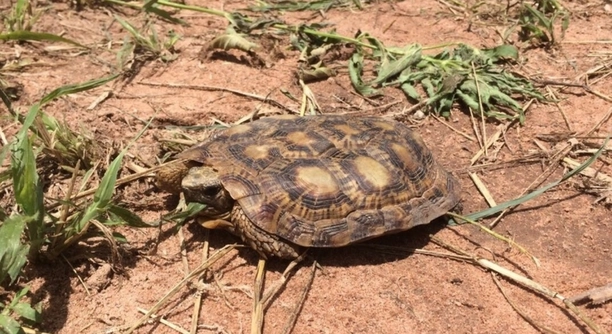
Pancake tortoises are unique, fascinating creatures that need proper care to thrive. As a pet owner, it’s essential to understand how to assess their well-being. Knowing when your pancake tortoise is happy and healthy can make all the difference in their life.
The simplest way to tell if your pancake tortoise is happy and healthy is by observing its activity level, diet, shell condition, and overall behavior. A healthy tortoise will be active, well-fed, have a clean shell, and show normal movements.
Regular checks of their environment and behavior will help you spot any potential issues early on. It’s crucial to recognize what makes your pancake tortoise feel comfortable and content in order to support its health.
Active and Engaged Behavior
A healthy pancake tortoise should be active and engaged. If you notice your tortoise moving around its enclosure, climbing, or exploring, it’s generally a good sign. Tortoises that are active and seem curious about their surroundings are usually in good health. However, if your tortoise is constantly lethargic or hiding, it may be a sign of stress or illness.
A healthy tortoise will also react to stimuli, such as food or interaction with their environment. If your pancake tortoise seems uninterested or sluggish over time, it might be worth checking its habitat for any changes in temperature, humidity, or other factors that could be affecting its behavior.
Make sure the environment is safe, comfortable, and stimulating. An active tortoise not only enjoys its surroundings but also maintains a healthy lifestyle. Regularly offering new things to explore, like safe hiding spots or objects to climb, can help keep your pancake tortoise engaged and happy.
Proper Diet and Feeding
A balanced diet is crucial for the health of your pancake tortoise. Their diet mainly consists of leafy greens, vegetables, and some fruits. Regular feeding with the right variety of food ensures proper growth and vitality.
Inadequate nutrition can lead to health problems, so it’s important to avoid offering too many sugary foods or processed options. Overfeeding or underfeeding can also cause issues, so sticking to a regular feeding schedule will help maintain a healthy weight.
It’s essential to provide fresh water at all times to support digestion and hydration. A proper diet not only keeps your tortoise happy but also supports their overall health and longevity. Make sure to research the best options for your specific tortoise’s dietary needs.
Shell Health and Appearance
Your pancake tortoise’s shell can tell you a lot about its health. A healthy shell should be smooth and firm, without any cracks, soft spots, or lesions. Keep an eye on it regularly to catch any signs of potential problems early.
If the shell starts to show signs of wear, such as discoloration, uneven growth, or soft areas, it could indicate a calcium deficiency or other health concerns. In such cases, providing more calcium in its diet or adjusting environmental factors may help. A healthy shell means a healthy tortoise.
A proper habitat is essential for shell health. Make sure the temperature and humidity levels are optimal. Also, offering a safe, dry space for your tortoise to rest can reduce the risk of shell rot or other issues. If you notice any major shell changes, it’s important to consult a veterinarian.
Habitat Conditions
The environment your pancake tortoise lives in plays a huge role in its well-being. Proper temperature, humidity, and lighting are key to creating a suitable habitat. Make sure to maintain a warm spot with temperatures between 85°F and 95°F during the day.
Humidity is just as important. Aim for a humidity level around 50-60%. Too little humidity can lead to dry skin and respiratory issues. Too much can cause mold and bacteria buildup. Providing a basking area with UVB lighting will also help your tortoise metabolize calcium and support its overall health.
Changing their habitat regularly and making sure it’s clean and comfortable is necessary for your tortoise’s happiness. Be mindful of these factors so your pancake tortoise feels safe and healthy in its home.
Weight and Growth
A healthy pancake tortoise will have a steady and consistent weight. If your tortoise is growing well, it will show even, smooth shell development and a balanced body. Monitoring weight is important to ensure that it is not over or underfed.
Track your tortoise’s growth over time to spot any issues early. If you notice sudden weight loss or a lack of growth, it could signal a health problem, such as an improper diet or inadequate care. Make sure to adjust the food and environment to support healthy weight gain or maintenance.
Behavior Towards Food
A happy and healthy pancake tortoise will show interest in food. If your tortoise consistently eats its meals and responds to fresh offerings, it’s a good sign. Loss of appetite could be a warning sign.
Food refusal, along with lethargy or poor movement, may indicate stress or illness. It’s essential to observe feeding habits closely and adjust the diet as necessary. Consulting a veterinarian is recommended if food issues persist.
Social Interaction
Pancake tortoises are typically solitary animals, but they may show signs of curiosity or tolerance when interacting with others. Healthy tortoises are generally not aggressive toward one another.
In some cases, a tortoise might become more interactive with its environment. However, too much stress from other animals or humans can cause them to withdraw. Avoid constant handling, and provide quiet, comfortable spaces for them to feel secure.
FAQ
How often should I feed my pancake tortoise?
Pancake tortoises should be fed daily or every other day, depending on their age and activity level. Juveniles need more frequent feeding than adults because they are growing. Offer a variety of leafy greens, vegetables, and occasional fruits. Be sure to remove uneaten food after a few hours to keep their environment clean.
What should I feed my pancake tortoise?
Pancake tortoises eat a variety of foods. Their diet primarily consists of leafy greens like dandelion, collard greens, and mustard greens. You can also offer other vegetables like squash, bell peppers, and cucumbers. Fruits such as berries or melons can be given in moderation as a treat. A calcium supplement is also necessary to ensure they get the nutrients they need for healthy shell growth.
Can I keep multiple pancake tortoises together?
Pancake tortoises can sometimes live together, but it depends on their personalities and the size of their enclosure. Some may tolerate each other, while others might be territorial or aggressive. It’s important to ensure they have enough space and hiding spots to reduce stress. Separate them if aggression or bullying occurs.
How do I know if my pancake tortoise is sick?
A sick pancake tortoise may show signs like a lack of appetite, lethargy, excessive hiding, or abnormal shell condition. Respiratory issues such as wheezing or discharge from the eyes or nose are also warning signs. If you notice any of these symptoms, it’s important to consult a veterinarian promptly.
What temperature should I maintain in my tortoise’s enclosure?
The temperature in your tortoise’s enclosure should range between 85°F and 95°F during the day. A basking spot should be around 95°F to 100°F, allowing your tortoise to regulate its body temperature. At night, temperatures can drop to 70°F to 75°F. Make sure your tortoise has access to both warm and cool areas to regulate its body temperature.
Do pancake tortoises need UVB light?
Yes, pancake tortoises need UVB light to help them metabolize calcium and keep their shells healthy. UVB lighting is essential for their overall well-being and should be provided for 10-12 hours a day. A good quality UVB light should be replaced every six months, even if it still seems to be working, as the UVB output decreases over time.
How long do pancake tortoises live?
Pancake tortoises can live for 20-30 years, sometimes even longer if well cared for. Providing a proper diet, habitat, and routine health checkups will help ensure a long and healthy life for your tortoise. Regular maintenance of its environment and careful monitoring of its health are key to longevity.
Can pancake tortoises swim?
Pancake tortoises are not strong swimmers. While they may be able to float in water briefly, they are not adapted for swimming and could drown if left in deep water. Always provide shallow water for hydration and soaking. Make sure they have easy access to dry areas to avoid stress or injury.
How do I keep my tortoise’s shell healthy?
To keep your pancake tortoise’s shell healthy, provide a balanced diet with sufficient calcium, avoid humidity extremes, and offer a clean, dry resting space. Regularly check the shell for any signs of cracking or softening, as these can be indicators of poor nutrition or environmental issues. Ensure the tortoise has access to UVB lighting and maintain a proper temperature to support shell health.
Can I handle my pancake tortoise?
You can handle your pancake tortoise, but it’s important not to overdo it. Frequent handling can stress out your tortoise, as they are naturally shy and prefer to be left alone. Only handle them when necessary, and always be gentle. Make sure your hands are clean and dry before interacting with them.
Why is my pancake tortoise not eating?
If your pancake tortoise is not eating, it may be due to stress, an improper diet, or environmental issues. Check the temperature, humidity, and lighting in the enclosure to make sure they are within the proper ranges. Stress can also come from overcrowding or too much handling. If these factors are fine, consult a veterinarian to rule out any health problems.
Final Thoughts
Caring for a pancake tortoise requires attention to detail and understanding of their specific needs. These fascinating creatures thrive when given the right environment, a balanced diet, and regular health checks. Their shell, activity level, and behavior are all indicators of their overall well-being, so it’s important to stay observant and make adjustments as needed. A proper habitat with correct temperature, humidity, and lighting is essential for their health and comfort.
Maintaining a healthy routine for your pancake tortoise can make all the difference in its quality of life. Regular feeding with fresh, nutritious food and providing a safe space for it to explore will keep your tortoise active and engaged. Just as important is ensuring that its environment remains clean and suitable for its needs. A tortoise that has the right balance of warmth, shelter, and food will be a happy and healthy companion for years to come.
While pancake tortoises are relatively low-maintenance compared to some other pets, they still need consistent care and attention. By staying informed about their health, recognizing the signs of a happy and healthy tortoise, and making sure their home is secure and suitable, you are setting up your tortoise for a long and healthy life. If you ever notice signs of distress or illness, don’t hesitate to consult a vet. With the right care, your pancake tortoise will live a fulfilling life in your home.

Hello,
If you enjoy the content that we create, please consider saying a "Thank You!" by leaving a tip.
Every little bit helps us continue crafting quality advice that supports the health, happiness, and well-being of pets around the world, for pets of all shapes, sizes, and species.
We really appreciate the kindness and support that you show us!