
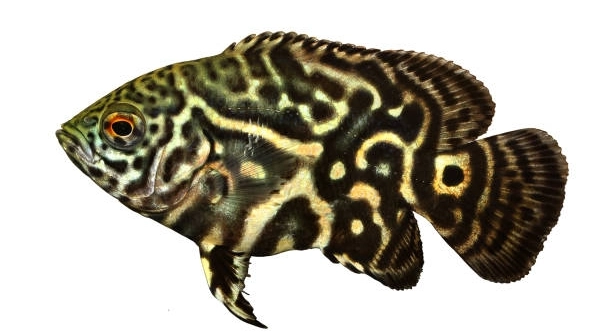
Oscar fish are known for their vibrant colors and lively personalities, making them a popular choice for aquarium enthusiasts. Understanding their behavior can provide insights into how they feel about their tank environment and overall well-being.
The easiest way to assess whether your Oscar fish likes its tank is by observing its activity levels, behavior, and interactions with its surroundings. Healthy, active fish that regularly swim and feed typically indicate satisfaction with their environment.
Knowing the signs of an Oscar fish’s contentment will help ensure it remains happy and healthy.
Tank Size and Space for Movement
The size of your Oscar fish’s tank plays a crucial role in its happiness. Oscar fish require ample space to swim freely, which contributes to their overall well-being. A cramped tank can lead to stress, reduced activity, and potential health issues. Ideally, an Oscar fish should have at least a 55-gallon tank, though a larger one is preferable.
If your tank is too small, the fish may become lethargic or aggressive, trying to defend its limited space. It’s important to ensure the tank offers plenty of room for your Oscar to swim, explore, and establish its territory.
Consider the other inhabitants of the tank as well. Oscars can be territorial and may not get along with all tankmates. A tank with too many fish can lead to conflicts. A spacious tank gives your Oscar the space it needs to thrive and display natural behaviors. Maintaining proper space helps create a healthy environment for both your Oscar and any other fish sharing the tank.
Water Quality and Temperature
Your Oscar’s environment needs clean water and a consistent temperature.
Water quality is a key factor in ensuring your fish stays comfortable. Proper filtration and regular water changes are essential for maintaining water quality, reducing toxins, and preventing diseases.
Feeding Schedule and Diet
Oscar fish are opportunistic feeders and enjoy a varied diet. They thrive on a mix of high-quality pellets, live food, and occasional frozen offerings. A well-balanced diet ensures they get the nutrients they need to stay healthy and active.
It’s important to feed them regularly, but avoid overfeeding. Overfeeding can lead to water quality issues, as uneaten food will decay and cause the tank to become polluted. Typically, feeding your Oscar fish once or twice a day is sufficient. Make sure to remove any excess food after a few minutes to keep the water clean.
You should also offer variety in their diet. While they may enjoy fish pellets, adding live food such as worms or small fish can keep them mentally stimulated and promote natural hunting behaviors. Providing a balanced diet will help them grow, maintain vibrant colors, and stay active.
Tankmates and Social Behavior
Oscar fish can be territorial and may show aggression toward other tankmates.
It’s essential to select tankmates carefully to avoid conflicts. Oscars generally do better with other large fish that can hold their own, such as cichlids or other robust species. Keeping them with smaller, more peaceful fish can lead to stress and aggression.
Tank Decoration and Hiding Spots
Providing hiding spots is essential for your Oscar fish’s well-being. They need places to retreat to when they feel threatened or need rest. Large rocks, plants, and caves are ideal for creating these spaces.
Decorations should not overcrowd the tank, as your Oscar needs room to move freely. Ensure the decorations are smooth and free of sharp edges to prevent injury. Proper hiding spots help reduce stress and create a more natural environment for your fish.
Light and Darkness Cycles
Oscar fish need a consistent light and dark cycle to feel secure.
Exposing them to light during the day and darkness at night helps regulate their internal clocks. It also mimics their natural environment, where they experience periods of rest and activity.
FAQ
How often should I feed my Oscar fish?
Oscar fish should be fed once or twice a day. Offering them a varied diet that includes high-quality pellets, live food, and occasional frozen options will keep them healthy. Overfeeding can cause health issues and deteriorate water quality, so it’s best to remove any uneaten food after a few minutes. A consistent feeding routine ensures your fish receives the proper nutrients while preventing overfeeding.
What size tank does an Oscar fish need?
Oscar fish need a tank of at least 55 gallons, although larger tanks are better. Oscars are active fish that require plenty of space to swim. A small tank can cause stress and lead to aggressive behavior. The more space they have, the healthier and more active they’ll be. It’s important to also consider the tank’s filtration system to ensure water quality remains optimal.
Can Oscar fish live with other fish?
Oscar fish can live with other large, robust fish but may show aggression toward smaller or more peaceful species. When selecting tankmates, choose fish that are capable of holding their ground. Cichlids, for example, are often a good match. Avoid housing Oscars with fish that are too small or delicate, as they may be harassed or eaten.
How can I tell if my Oscar fish is sick?
Signs of illness in Oscar fish can include changes in appetite, abnormal swimming patterns, or physical symptoms like discoloration, spots, or bloating. If your Oscar becomes lethargic, stops eating, or displays strange behavior, it’s important to check water quality and consult a veterinarian who specializes in fish. Early detection of health issues can prevent serious problems and ensure a speedy recovery.
What water temperature is best for Oscar fish?
Oscar fish thrive in water temperatures between 74°F and 81°F (23°C to 27°C). Maintaining this range ensures that your fish stays active and healthy. Use an aquarium heater to maintain a stable temperature, as fluctuations can cause stress and lead to health issues. Regularly monitor the temperature to keep it consistent.
How can I reduce aggression in my Oscar fish?
To reduce aggression, provide a spacious tank with plenty of hiding spots and a few tankmates that are large enough to defend themselves. Keeping the water quality high and maintaining a stable environment also helps reduce stress, which can lead to aggressive behavior. If aggression persists, you may need to separate aggressive Oscars from others.
What kind of water filtration is best for Oscar fish?
Oscar fish produce a lot of waste, so a strong filtration system is necessary to maintain water quality. A canister filter or a powerful hang-on-back filter works well for Oscars. It’s also important to regularly clean the filter and perform partial water changes to keep the tank clean. A good filtration system prevents the build-up of toxins and helps create a healthier environment.
How can I encourage my Oscar fish to breed?
To encourage breeding, ensure the tank has enough space and provide suitable conditions such as clean, warm water and stable pH levels. Create a nesting site with flat surfaces like rocks or ceramic tiles. When breeding, the female may lay eggs on the surfaces, and the male will fertilize them. A separate breeding tank may be necessary to avoid aggression from other fish.
Why is my Oscar fish not eating?
There are several reasons why your Oscar may not be eating, including stress, poor water quality, illness, or water temperature fluctuations. Check the tank’s water quality, and make sure the temperature is stable. If the issue persists, consider consulting a veterinarian or offering different types of food to entice your fish to eat.
Can Oscar fish live in cold water?
Oscar fish are tropical fish and prefer warmer water. While they can tolerate slight drops in temperature, they should never be kept in cold water, as it can lead to stress and health problems. Keeping the water temperature in the recommended range of 74°F to 81°F will keep your Oscar fish happy and healthy.
Final Thoughts
Oscar fish can make excellent pets when their needs are met properly. Their vibrant colors and interactive behavior can be a rewarding experience for fish owners. Providing them with the right tank size, water conditions, and feeding schedule helps ensure their health and happiness. The most important aspects to consider are maintaining a clean tank, offering a balanced diet, and ensuring they have enough space to swim and explore.
It’s also crucial to understand that Oscar fish can be territorial and sometimes aggressive. Choosing the right tankmates and avoiding overcrowding are essential to reducing conflicts. Oscars require an environment where they feel secure, so creating hiding spots and providing a consistent light/dark cycle are key elements. Paying attention to these factors will help you create a peaceful, healthy habitat for your fish, making it easier to observe their natural behaviors.
Ultimately, keeping Oscar fish involves regular maintenance and careful observation. Monitoring their behavior, diet, and the water quality will allow you to spot potential issues before they become problems. By staying informed and adjusting their environment to meet their needs, you can enjoy a healthy and thriving Oscar fish for years to come.

Hello,
If you enjoy the content that we create, please consider saying a "Thank You!" by leaving a tip.
Every little bit helps us continue crafting quality advice that supports the health, happiness, and well-being of pets around the world, for pets of all shapes, sizes, and species.
We really appreciate the kindness and support that you show us!