
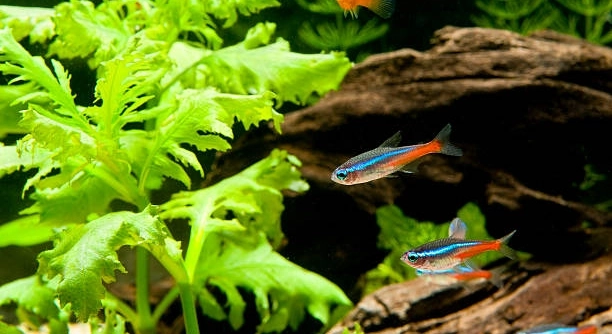
Neon Tetras are popular aquarium fish known for their vibrant colors. However, they can experience stress, which may affect their health and appearance. Recognizing the signs of stress early can help keep your fish healthy and happy.
Neon Tetras can become stressed due to various factors such as water quality, temperature, tank mates, or overcrowding. Stress can manifest in behaviors like hiding, loss of color, or erratic swimming patterns. Monitoring these signs is essential for ensuring the well-being of your fish.
Understanding these signs will help you identify potential issues early and maintain a stable environment for your Neon Tetras.
Poor Water Quality
Water quality is one of the most common causes of stress in Neon Tetras. These fish require clean, well-maintained water with proper filtration. Poor water conditions, such as high levels of ammonia, nitrites, or nitrates, can cause stress. Neon Tetras are particularly sensitive to changes in water parameters. If the water becomes too dirty, it can lead to irritation and weakened immune systems. Regular water changes, along with consistent testing of the water parameters, are key to keeping your Tetras healthy. Be sure to clean the tank and filter regularly to maintain water quality. The proper pH and temperature are also essential, as even small fluctuations can cause stress.
To avoid stress related to water quality, use a water test kit and adjust conditions accordingly. Keeping the aquarium clean and ensuring the right temperature will help your Tetras thrive.
A balanced tank with stable water conditions contributes to a stress-free environment for your fish. Maintaining good water quality helps prevent stress and promotes overall health.
Overcrowding in the Tank
Overcrowding is another issue that causes stress in Neon Tetras. These fish need enough space to swim and feel secure. A crowded tank can lead to aggressive behavior, territorial disputes, and a lack of swimming space. When the fish feel cramped, they may start hiding more often or become skittish. It’s essential to maintain an appropriate number of fish based on the size of your tank. Generally, one inch of fish per gallon is a good rule of thumb.
Excessive numbers of fish can create competition for food, increasing stress levels.
To reduce stress from overcrowding, make sure your tank has enough room for each fish to feel comfortable. If your tank is too small, consider upgrading to a larger one. A well-spaced tank leads to calmer fish and reduces the risk of stress-related health issues.
Inconsistent Temperature
Neon Tetras are sensitive to temperature changes. A sudden shift in water temperature can stress them out, leading to reduced activity and fading colors. These fish thrive in water temperatures between 72-80°F (22-27°C). If the water becomes too cold or too warm, it can affect their metabolism and overall health. A reliable aquarium heater is important for maintaining a consistent temperature.
Fluctuations in temperature can weaken their immune system, making them more susceptible to diseases. Neon Tetras may also exhibit erratic swimming or spend more time hiding, signaling stress.
To keep the temperature stable, invest in a quality aquarium thermometer and heater. This ensures your fish stay comfortable and healthy, preventing unnecessary stress caused by temperature changes.
Aggressive Tank Mates
Neon Tetras are peaceful and can be easily stressed by aggressive tank mates. Fish that nip or chase them can cause distress. Aggressive species can bully Tetras, leading them to hide or swim nervously, which reduces their quality of life. It’s important to choose compatible tank mates that won’t threaten their peace.
If your Neon Tetras are showing signs of stress, observe the interactions with other fish. If aggression is present, consider relocating the more aggressive species or separating them entirely.
Creating a peaceful tank environment is key to keeping your Neon Tetras happy and healthy. Choose calm, non-aggressive fish that won’t disrupt their routine, ensuring a harmonious living space for everyone.
Poor Diet
A poor diet can lead to stress in Neon Tetras. These fish require a balanced diet of high-quality flakes, pellets, and occasional live or frozen food. Without the right nutrients, their health can decline, making them more susceptible to stress and illness.
If Neon Tetras are not fed a proper diet, they may become lethargic or show signs of malnutrition. This can lead to them hiding more or swimming less. Ensuring they receive the right nutrition is essential for their well-being.
A varied diet will help keep your fish active, vibrant, and stress-free. Stick to a feeding routine and offer them a mix of food types for the best results.
Inadequate Hiding Spots
Neon Tetras need hiding spots to feel secure. Without these, they may become stressed. Plants, rocks, or decorations can provide the necessary shelter for them. Without hiding spaces, they may feel exposed, increasing their anxiety.
Adding plants or other natural decorations will help your fish feel more comfortable. These hiding spots give them a place to retreat when they feel threatened or stressed.
Providing enough hiding spaces ensures that your fish can escape from any disturbances. A well-decorated tank will keep your Neon Tetras more relaxed and secure.
FAQ
How can I tell if my Neon Tetra is stressed?
Signs of stress in Neon Tetras include hiding more often, swimming erratically, loss of color, or becoming lethargic. They may also spend more time near the bottom of the tank or near filters, showing signs of discomfort. If these behaviors are persistent, stress is likely the cause.
What should I do if my Neon Tetra is stressed?
Start by assessing the tank’s water quality, temperature, and overall environment. Make sure there are no aggressive tank mates, and that there’s enough space for your fish to swim. If needed, perform a water change or adjust the temperature. Adding hiding spots can also help reduce stress.
Can water temperature changes stress my Neon Tetra?
Yes, sudden changes in water temperature can be very stressful for Neon Tetras. These fish prefer stable water temperatures between 72-80°F (22-27°C). If the temperature fluctuates too much, it can weaken their immune system and lead to health problems. Using a heater with a thermometer can help maintain a consistent temperature.
What kind of tank mates are best for Neon Tetras?
Neon Tetras do best with peaceful, non-aggressive fish. Species like Corydoras catfish, Otocinclus, or other small, calm fish make good companions. Avoid larger or aggressive species, as they may intimidate or bully the Tetras, causing stress and harm to their well-being.
How often should I feed my Neon Tetra?
Neon Tetras should be fed small amounts two to three times per day. Only offer as much food as they can consume in a few minutes to prevent overfeeding and water quality issues. A balanced diet of quality flakes, pellets, and occasional live or frozen food will keep them healthy.
Can Neon Tetras be overfed?
Yes, overfeeding can lead to stress and poor water quality. Uneaten food can pollute the water, leading to higher ammonia and nitrate levels. It’s important to avoid feeding them too much and to remove any leftover food from the tank after a few minutes.
Why is my Neon Tetra losing its color?
Color loss in Neon Tetras can be a sign of stress. Poor water quality, an inappropriate diet, or environmental factors such as tank overcrowding or aggressive tank mates may cause this. Stress weakens the fish’s immune system, which may result in dull colors.
How can I improve water quality for my Neon Tetra?
To improve water quality, regularly test the water for ammonia, nitrites, nitrates, and pH. Perform regular water changes (around 25% every 1-2 weeks) and clean the filter. Ensure proper filtration and avoid overfeeding. Use a good water conditioner to remove chlorine or chloramine.
Can Neon Tetras live in a tank with other species?
Yes, but the other species should be peaceful and not too large. Neon Tetras thrive in community tanks with compatible species. Just make sure the other fish are small and not aggressive. Avoid keeping them with species known for fin-nipping or territorial behavior.
How can I tell if my Neon Tetra has parasites?
Signs of parasites include unusual swimming behavior, such as rubbing against objects, clamped fins, or lethargy. If your Neon Tetra is scratching against decorations or rocks, it could indicate a skin parasite or external irritation. In this case, you may need to consult a vet for treatment.
What size tank is best for Neon Tetras?
Neon Tetras are small fish, but they still need enough space to swim. A 10-gallon tank is the minimum size for a small group of Neon Tetras. For a larger group or to include other species, a 20-gallon tank or more would be ideal.
Can I use tap water for my Neon Tetra tank?
Tap water can be used, but it must be treated to remove chlorine and chloramine, which are harmful to fish. A water conditioner or dechlorinator should be added to the water before placing it in the tank. You should also check the pH and hardness of the water to ensure it matches the needs of your Tetras.
Why is my Neon Tetra swimming in circles?
Swimming in circles can be a sign of stress, poor water quality, or even a neurological issue. If your fish is swimming in circles frequently, it’s important to check the water parameters and the health of the other fish in the tank. Ensure that the tank isn’t overcrowded, and that the water is properly filtered and heated.
How long do Neon Tetras live?
Neon Tetras typically live for 5 to 10 years, although this can vary depending on water quality, diet, and overall care. Proper tank conditions and a balanced diet can help them live a long and healthy life. Regular maintenance and monitoring for any signs of stress or illness will ensure they thrive.
Can I add salt to my Neon Tetra tank?
Neon Tetras are sensitive to salt, and adding salt to the tank should be done with caution. In general, it’s best to avoid salt unless it’s necessary for treating specific diseases. Always consult a vet or experienced aquarium keeper before adding salt to your tank.
Final Thoughts
Taking care of Neon Tetras requires attention to their environment and a good understanding of their needs. These small, vibrant fish are sensitive to changes in their surroundings, and stress can easily affect their health. Keeping a stable temperature, good water quality, and appropriate tank mates is essential for ensuring they thrive. By providing the right care, you can help your Neon Tetras live a long, healthy life, full of color and activity.
Understanding the signs of stress is key to addressing any potential issues early. If your Tetras are showing signs of stress, it’s important to investigate the cause. Whether it’s an issue with water quality, temperature fluctuations, or incompatible tank mates, taking quick action can prevent further harm. Providing plenty of hiding spots, maintaining a consistent feeding schedule, and creating a peaceful environment will help reduce stress and improve the overall well-being of your fish.
While it may take time to find the perfect balance for your aquarium, learning about the needs of your Neon Tetras will help you make the necessary adjustments. With regular maintenance, a varied diet, and a stress-free tank, your Neon Tetras will thrive in a healthy, comfortable home. By paying attention to their behavior and making the necessary changes, you can ensure that your fish stay happy and healthy for years to come.

Hello,
If you enjoy the content that we create, please consider saying a "Thank You!" by leaving a tip.
Every little bit helps us continue crafting quality advice that supports the health, happiness, and well-being of pets around the world, for pets of all shapes, sizes, and species.
We really appreciate the kindness and support that you show us!