
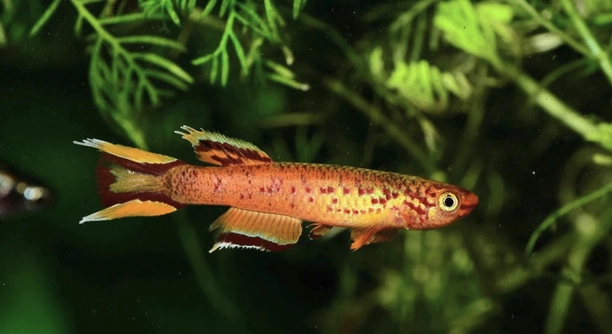
Killis are small, colorful fish that many people enjoy keeping in their aquariums. Knowing whether your killis are bonded can help you understand their social behavior better. This article will share simple ways to recognize if your killis have formed a bond.
Killis that are bonded tend to swim closely together, show calm interactions, and often share territory without aggression. These behaviors indicate social bonding, which can improve their overall wellbeing and reduce stress in the aquarium environment.
Recognizing these signs can help you care for your killis more effectively and create a peaceful tank environment for them to thrive.
Signs of Close Swimming
One of the clearest signs that your killis are bonded is when they swim closely together. Unlike aggressive or stressed fish, bonded killis often swim side by side or follow each other around the tank. This close swimming shows comfort and trust. You might notice them resting near each other or moving in sync, which is a good indication they feel safe and connected. In contrast, killis that are not bonded tend to keep their distance or show signs of stress. Watching their swimming patterns can give you a lot of insight into how well they get along. It’s helpful to observe them during feeding or when the tank is quiet to catch these moments.
Close swimming is a natural behavior among bonded killis, showing their comfort and social connection in the tank.
This behavior helps reduce stress and supports their natural instincts. When killis swim closely, they often protect each other and stay alert together, making the group feel more secure. Over time, you will see that these pairs or groups spend most of their time near one another. Understanding this can guide how you manage their environment, ensuring that tank mates are chosen carefully to keep this harmony. Also, providing hiding spots and plants allows bonded killis to feel safe while spending time together.
Calm and Gentle Interactions
Bonded killis show calm and gentle behavior toward each other, without aggressive chasing or nipping.
When killis are bonded, they interact in peaceful ways, often swimming slowly and showing no signs of tension. They rarely fight or compete aggressively for space or food. Instead, they may gently nudge each other or stay close without causing stress. This calm interaction signals a strong bond and is important for their wellbeing. Aggressive behavior can mean problems in the tank or that the fish are not bonded. Observing these gentle interactions can help you understand if your killis have formed social ties, which benefits their overall health and happiness. Keeping an eye on their behavior will help you maintain a peaceful tank environment.
Sharing Territory Without Conflict
Bonded killis usually share their territory without fighting. They accept each other’s presence in close spaces calmly.
When killis are bonded, they show respect for shared spaces like plants or hiding spots. Instead of chasing each other away, they often swim calmly around the same areas. This peaceful sharing reduces stress and helps them feel secure in their environment. If killis fight over territory or chase each other, it often means they are not bonded or the tank is too small. Providing enough space and hiding spots can encourage bonding and reduce conflict among your killis.
Sharing territory shows a level of trust and acceptance that is important for maintaining a healthy aquarium. It also allows bonded killis to rest and feed without worry, helping them thrive.
Mutual Grooming and Cleaning
Killis sometimes engage in mutual grooming, which is a clear sign of bonding. This behavior helps keep their scales clean.
Mutual grooming is when killis gently nip or clean each other’s bodies. It’s a social behavior that strengthens their bond and helps remove parasites or debris. Not all killis show this behavior, but when they do, it’s a positive sign they trust each other. This activity also reduces stress and improves their overall health. Grooming often happens in quiet parts of the tank, where they feel safe. Watching for this behavior can help you know if your killis have a close relationship. It also suggests they are comfortable and happy in their tank environment.
Coordinated Movements
Bonded killis often move together in a coordinated way. This shows they are comfortable and connected.
They may swim side by side or change direction at the same time. This behavior helps them stay safe and signals a strong social bond.
Reduced Aggression
When killis are bonded, aggressive behaviors like chasing and fin-nipping decrease significantly. Peaceful interactions become the norm, creating a calmer tank atmosphere.
This reduction in aggression promotes better health and lowers stress, allowing your killis to thrive in a harmonious environment.
Sharing Food Without Competition
Bonded killis usually share food calmly, without rushing or fighting. They wait their turn and eat side by side.
This behavior shows trust and respect among them, which is important for maintaining peace in the tank. It also helps prevent injuries and stress related to feeding.
FAQ
How long does it take for killis to bond?
Killis can start showing signs of bonding within a few days to a couple of weeks after being introduced to the same tank. The exact time varies depending on the species, tank conditions, and the number of fish. Providing enough space and hiding spots encourages bonding, while overcrowding or poor water quality can delay it.
Can killis bond with other fish species?
Generally, killis bond best with their own kind or closely related species. While they might tolerate other peaceful fish, strong social bonds are usually formed within their own groups. Mixing killis with aggressive or very different species can cause stress and prevent bonding.
What should I do if my killis are fighting?
If fighting occurs, first check your tank size and setup. Overcrowding or lack of hiding places can increase aggression. Increasing tank size, adding plants, or rearranging decorations can help reduce conflict. Separating aggressive individuals or keeping fewer killis might be necessary to restore peace.
Does bonding improve killis’ health?
Yes, bonded killis tend to have lower stress levels, which supports their immune system and overall health. When they feel safe and connected, they are more active, feed better, and are less prone to illness.
How can I encourage bonding among my killis?
Keep the tank clean, provide ample space, and create hiding spots with plants or decorations. Feed them regularly and avoid sudden changes in the tank environment. Observing them often helps you notice signs of bonding and catch problems early.
Is it normal for bonded killis to sometimes fight?
Occasional minor squabbles are normal as killis establish hierarchy, even in bonded groups. These brief conflicts rarely cause harm and usually settle quickly. However, ongoing or severe aggression is a sign that bonding isn’t stable.
Can bonded killis live together long-term?
Bonded killis can live peacefully together for a long time if the tank environment remains stable and stress-free. Regular tank maintenance, proper feeding, and avoiding overcrowding help maintain healthy social bonds over time.
How do I know if killis are stressed despite bonding?
Even bonded killis can show stress if water quality is poor or if tank conditions change suddenly. Signs include hiding too much, loss of appetite, or rapid breathing. Regular water testing and stable conditions help keep stress low.
Should I separate killis when introducing new fish?
It’s a good idea to quarantine new fish before adding them to the tank. Introducing new killis slowly and observing their interactions helps prevent fights and encourages bonding. If conflicts arise, consider temporary separation until they adjust.
What role does tank size play in killis bonding?
Tank size greatly affects bonding. A spacious tank allows killis to establish territories and interact comfortably. Small or crowded tanks increase stress and aggression, making bonding difficult or impossible. Aim for at least 10 gallons for a small group, more for larger groups.
Do male and female killis bond differently?
Males may show more territorial behavior, while females often form looser bonds. Mixed groups can bond well if there is enough space. Understanding species-specific behavior helps manage their social dynamics better.
Can bonding affect killis breeding?
Bonded pairs are more likely to breed successfully because they feel secure together. Stress and aggression interfere with breeding, so maintaining strong social bonds is beneficial for reproduction.
How often should I observe my killis to check bonding?
Daily short observations are best. Watching how they swim, interact, and feed gives you a clear idea of their social health. Early detection of problems lets you make adjustments before issues worsen.
Are there signs that bonding is weakening?
If killis start avoiding each other, showing increased aggression, or spending more time hiding alone, their bond may be weakening. Environmental changes or illness can cause this, so act quickly to find the cause.
Is it necessary to have an even number of killis for bonding?
Having an even number is not required, but groups of three or more tend to form better social structures. Single pairs bond, but larger groups often provide more stable social dynamics. However, overcrowding should be avoided.
This FAQ covers many common questions about killis bonding, helping you care for these fish with confidence. Understanding their behavior is key to creating a peaceful and healthy aquarium.
Bonding among killis is an important part of their social behavior. When killis form bonds, they show signs like swimming closely together, sharing territory calmly, and interacting gently without aggression. These behaviors help reduce stress and create a peaceful environment in the tank. Understanding how to recognize bonding can make it easier to care for your killis and keep them healthy. Observing your fish regularly will give you a better sense of their relationships and help you notice any changes early on.
Creating the right environment plays a big role in encouraging bonding. A spacious tank with plenty of hiding spots helps killis feel safe and secure. Clean water and a stable temperature also support their wellbeing. Feeding them regularly and avoiding sudden changes can reduce stress and promote positive interactions. Sometimes minor disagreements happen, but these usually settle quickly when the fish feel comfortable. If aggression becomes frequent, adjusting the tank setup or separating fish may be needed to maintain peace.
Bonded killis not only live together peacefully but also tend to have better health and breeding success. When they trust each other, they eat better and are less likely to become sick. Taking the time to learn about their behavior and providing proper care will help your killis thrive in the long run. Keeping an eye on their social cues and tank conditions ensures a happy environment for your fish. Overall, understanding bonding helps create a more enjoyable and successful experience as a killifish keeper.

Hello,
If you enjoy the content that we create, please consider saying a "Thank You!" by leaving a tip.
Every little bit helps us continue crafting quality advice that supports the health, happiness, and well-being of pets around the world, for pets of all shapes, sizes, and species.
We really appreciate the kindness and support that you show us!