
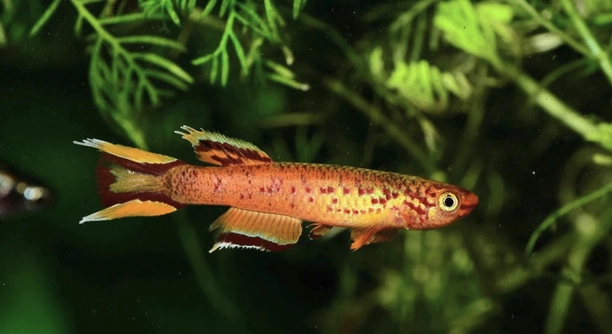
Killi fish are small, colorful pets that bring life to any aquarium. Knowing how to tell if your killi fish is happy can help you provide the best care and keep them thriving in your home environment.
Happy killi fish display vibrant colors, active swimming patterns, and regular feeding habits. They engage with their surroundings and show signs of comfort, such as smooth breathing and healthy fins, indicating good overall well-being.
Recognizing these signs early ensures your killi fish enjoys a healthy and balanced life in its aquatic home.
Color and Appearance Indicate Well-being
The color of your killi fish can tell a lot about its mood and health. When happy, their colors appear bright and vivid, showing they are comfortable in their environment. Dull or faded colors may indicate stress or illness. Healthy fish also have smooth, intact fins without tears or spots. Cloudy eyes or damaged fins can suggest poor water quality or disease. Observing your killi fish regularly helps you catch any changes early. Water temperature and cleanliness directly affect their appearance, so keeping these stable is essential. Additionally, a balanced diet rich in nutrients supports their vibrant colors. Avoid overcrowding the tank, as it causes stress and dulls their colors. Providing hiding spots helps them feel secure, which also improves their appearance. Overall, a happy killi fish looks lively, bright, and healthy.
Bright, clear colors are a strong sign of a content killi fish.
Keeping their environment clean and feeding them well supports their natural color and health.
Activity Levels Reflect Comfort
Active swimming is a key sign of a happy killi fish. When your fish moves confidently around the tank and explores its surroundings, it shows comfort and energy. Lethargy or hiding too much can be signs of discomfort or illness. It’s important to provide enough space for swimming and avoid sudden changes in water temperature. Consistent lighting schedules also help regulate their activity. Killi fish often enjoy interacting with plants and decorations in the tank, which encourages movement. If you notice your fish becoming inactive or staying at the bottom, check water parameters immediately. Regular tank maintenance and careful feeding schedules keep your fish alert and lively. By understanding their natural activity patterns, you can better assess their happiness and health.
Watching your killi fish move around is an easy way to tell if it is content.
Providing a stable environment encourages natural behaviors and keeps your fish active and healthy.
Feeding Behavior
Killi fish that eat regularly and eagerly are usually happy and healthy. A sudden loss of appetite can signal stress or illness, so paying attention to their feeding habits is important.
Consistent feeding times help create a routine that your killi fish can expect, reducing stress. They prefer small, frequent meals rather than large portions. Offering a varied diet with live or frozen foods like brine shrimp or daphnia helps keep them interested and provides essential nutrients. Overfeeding can lead to poor water quality, which negatively affects their health. Watching how your fish responds to food will help you notice any changes early, allowing timely adjustments to their diet or environment.
When your killi fish accepts food eagerly, it usually means it feels safe and comfortable. Sudden changes in feeding behavior often indicate that something in the tank might need your attention.
Interaction and Response
Happy killi fish often respond to your presence or movements around the tank. They may swim closer or show curiosity, which indicates comfort and trust.
If your fish consistently hides or freezes when approached, it might be feeling stressed or threatened. Killi fish can recognize feeding times and may swim to the surface when they see you. Their reaction to external stimuli, such as gentle tapping or light changes, also reflects their mood. Providing a calm and stable environment helps them feel secure and encourages interaction. Avoid sudden loud noises or rapid movements near the tank to prevent frightening your fish. Regularly observing their reactions helps you understand their behavior and improve their care. Positive interactions show that your fish is adapting well to its environment and feeling content.
Breathing Patterns
Normal breathing in killi fish is calm and steady. Rapid gill movement or gasping at the surface may indicate stress or poor water quality.
Observing breathing helps spot early signs of discomfort. Clean water and proper oxygen levels support healthy respiration.
Social Behavior
Some killi fish enjoy the company of others, while some prefer solitude. Observing interactions helps understand their comfort level.
Peaceful coexistence with tank mates shows happiness, but aggression or hiding can signal stress or unsuitable conditions.
Environmental Comfort
Stable water temperature and clean conditions are essential for killi fish happiness. Sudden changes cause stress and health issues.
Maintaining proper filtration and regular water changes keeps the habitat safe and supports your fish’s well-being.
Physical Health
Healthy killi fish have smooth skin and clear eyes. Signs of disease require immediate attention to prevent further problems.
FAQ
How often should I feed my killi fish?
Feeding your killi fish once or twice a day with small portions is best. They do well with frequent, moderate meals rather than large amounts at once. Overfeeding can cause water quality issues and harm their health, so observe how much they eat and adjust accordingly.
What type of food is best for killi fish?
Killi fish thrive on a varied diet. Live or frozen foods such as brine shrimp, daphnia, and bloodworms provide essential nutrients and keep their interest. Some high-quality flake or pellet foods made for carnivorous fish can also be included but should not be the sole diet.
How can I tell if my killi fish is stressed?
Signs of stress include dull colors, rapid breathing, hiding more than usual, and loss of appetite. Stress often results from poor water conditions, sudden changes, overcrowding, or incompatible tank mates. Addressing these issues promptly helps your fish recover.
Is it necessary to keep killi fish alone?
Some species of killi fish prefer solitude, while others tolerate tank mates well. It depends on the species and individual personality. Observing their behavior with others will guide you. Aggression or constant hiding means it might be better to keep them separate.
How important is water temperature for killi fish?
Water temperature should remain stable within the range specific to your killi species, usually between 68°F and 75°F (20°C–24°C). Sudden temperature changes stress the fish and can lead to illness. Use a heater and thermometer to maintain consistent warmth.
How often should I change the water?
Regular partial water changes—about 20-30% weekly—help keep the tank clean and reduce harmful chemicals. Complete water changes are not recommended as they can stress fish. Keeping water clean supports their health and happiness.
What are common signs of illness in killi fish?
Look for clamped fins, white spots, cloudy eyes, lethargy, and unusual swimming patterns. These can indicate infections or parasites. Early detection and treatment increase chances of recovery.
Can killi fish live in small tanks?
Killi fish can live in smaller tanks compared to many other fish, but the tank should still provide enough swimming space and stable conditions. Overcrowding leads to stress, so a minimum of 5 gallons per fish is recommended.
Do killi fish need plants or decorations in their tank?
Plants and decorations offer hiding spots and create a more natural environment, which helps reduce stress. Live plants also improve water quality. Killi fish benefit from having places to explore and hide.
How long do killi fish typically live?
With proper care, killi fish usually live between 2 to 4 years. Good water quality, a balanced diet, and a stress-free environment contribute to their lifespan.
What should I do if my killi fish stops eating?
Check water quality and temperature first, as these are common causes. Sometimes fish refuse food due to illness or stress. Try offering different foods or feeding smaller amounts. If the problem continues, consult a specialist or consider quarantine.
Is it normal for killi fish to jump?
Yes, killi fish are known for jumping. A secure lid on the tank is essential to prevent escape. Providing hiding spots can reduce this behavior by making them feel safer.
How do I introduce new killi fish to my tank?
Introduce new fish slowly by floating the bag in the tank to equalize temperature, then gradually mix tank water into the bag before releasing. Monitor for aggression or stress and be prepared to separate fish if needed.
Can killi fish breed in a home aquarium?
Many killi fish species can breed in captivity. They often lay eggs on plants or substrate. If breeding is desired, provide proper conditions like slightly cooler water and secluded areas. Separate fry to avoid being eaten by adults.
What is the best way to clean a killi fish tank?
Use a siphon to remove debris and uneaten food from the substrate. Clean the filter media gently without harsh chemicals. Avoid disturbing the tank too much to keep stress low. Regular partial water changes are more effective than full cleanings.
How do I know if my killi fish is happy?
Signs include bright colors, active swimming, good appetite, normal breathing, and occasional interaction with your presence. A happy fish looks healthy and behaves naturally without signs of stress or illness.
Final Thoughts
Taking care of a killi fish requires attention to its behavior, environment, and health. Observing signs like bright colors, active swimming, and regular feeding helps determine if your fish is happy. These small indicators show that your fish is comfortable and well cared for. By keeping an eye on these details, you can make sure your killi fish stays healthy and enjoys its home.
Maintaining stable water conditions is important for the well-being of your killi fish. Clean water, proper temperature, and regular maintenance create a safe environment. Avoid sudden changes in the tank, as they can cause stress. Providing hiding spots and a balanced diet supports your fish’s natural behavior and appearance. A healthy habitat reduces the risk of illness and improves overall happiness.
Understanding your killi fish’s needs takes patience and observation. Each fish may behave slightly differently, so learning what is normal for your pet is helpful. Regular care and attention ensure that your killi fish remains content and thrives in its environment. With simple steps and consistent effort, you can enjoy watching your fish live a healthy and active life.

Hello,
If you enjoy the content that we create, please consider saying a "Thank You!" by leaving a tip.
Every little bit helps us continue crafting quality advice that supports the health, happiness, and well-being of pets around the world, for pets of all shapes, sizes, and species.
We really appreciate the kindness and support that you show us!