
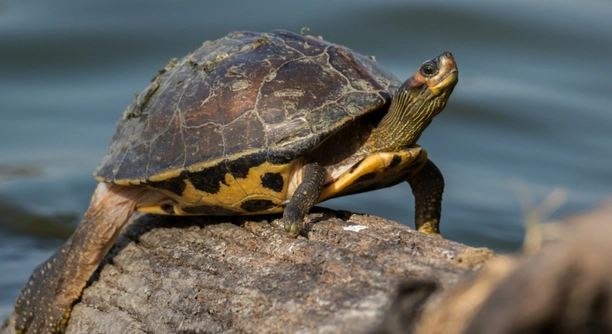
Identifying the gender of your Indian Roofed Tortoise can be tricky. Understanding these differences is important for their care and well-being. In this article, we’ll explore simple ways to tell if your tortoise is male or female.
The key differences between male and female Indian Roofed Tortoises can be observed in their physical traits. Males typically have a longer, concave plastron and a thicker tail, while females have a more rounded plastron and shorter tails.
Knowing these traits can help you identify your tortoise’s gender with confidence. Keep reading to learn more about these subtle but important differences.
Physical Differences in the Shape of the Plastron
One of the easiest ways to tell if your Indian Roofed Tortoise is male or female is by looking at the shape of the plastron, the underside of their shell. Males tend to have a concave, or inward-curving, plastron. This feature helps them during mating by allowing them to mount females more easily. In contrast, females usually have a flat or slightly rounded plastron. The rounded shape provides more space for carrying eggs. This difference in shell shape is one of the most noticeable and reliable ways to identify the gender of your tortoise.
Although the plastron shape is a good indicator, it’s important to remember that it’s not always easy to spot, especially when your tortoise is young. The shape becomes more distinct as the tortoise matures, making it easier to tell the difference. So, if your tortoise is still a juvenile, other methods might help you determine the sex.
As your tortoise ages, this characteristic becomes clearer, making it much easier to identify whether they are male or female. For now, focus on observing the shell closely, as this is one of the best signs of gender.
Tail Length and Thickness
The tail is another reliable way to tell your tortoise’s gender. Male Indian Roofed Tortoises typically have longer and thicker tails compared to females. This trait is also essential for mating. The longer tail helps males position themselves correctly to mate with females. You’ll notice that males have a noticeable bulge at the base of their tail, which is absent in females.
Males also tend to have more pronounced tail features as they mature. Female tortoises, on the other hand, have shorter, thinner tails. This characteristic might be more difficult to detect in younger tortoises, but as they grow, the difference becomes much clearer. You may find that when handling your tortoise, it’s easier to feel the tail differences as they mature.
Claw Length
Male Indian Roofed Tortoises generally have longer claws than females. This feature is especially noticeable on their front legs. The longer claws help males during mating, allowing them to hold onto the female’s shell. Females, on the other hand, have shorter claws as they don’t need this feature for mating.
The claws of males are often more curved, giving them a better grip during copulation. On the other hand, females have more functional claws for digging and preparing nests for their eggs. These differences are more apparent in adult tortoises, as juvenile claws may not show the same characteristics.
Over time, as your tortoise matures, the difference in claw length will become easier to spot. If you notice longer, curved claws on the front legs, it’s likely your tortoise is male. Keep an eye on these features as your tortoise grows older for clearer identification.
Shell Size
In general, female Indian Roofed Tortoises are larger than males. This difference in size is partly due to the fact that females need extra space to carry and lay eggs. A larger shell gives them room to store eggs, providing more space for reproductive purposes.
Males are typically smaller, with more compact bodies. Their smaller size helps them be more agile, which is beneficial for mating and territorial behaviors. While size differences may not be noticeable in younger tortoises, adult females are typically visibly larger, especially around the midsection.
The size difference can sometimes be subtle, especially if both tortoises are still young. But as they grow, the females will clearly be bigger, especially when it comes to shell width. This makes it easier to identify their gender as they mature.
Behavior Differences
Male Indian Roofed Tortoises often display more territorial and aggressive behavior than females. Males tend to be more active, particularly when they are seeking a mate. This includes head bobbing, chasing other tortoises, and even attempting to mount anything nearby. Females, in contrast, are usually calmer and more passive.
During mating seasons, you may see males acting more dominant, with frequent attempts to court females. They also tend to exhibit more frequent head movements and sometimes chase after the females. Females are less likely to display this level of aggression and are more focused on nesting and egg-laying.
If your tortoise is exhibiting aggressive or highly active behavior, it’s likely a male. You may notice these patterns more around mating times, where the differences in behavior become clearer.
Head Shape
Males typically have a more triangular and narrow head, while females have a rounder and broader head. The size of the head is another characteristic to observe, as males’ heads are proportionally smaller compared to their bodies.
This difference is subtle but can be noticeable, especially in adult tortoises. The broader head of females allows for more space to carry eggs, while the narrower head of males makes them more streamlined for mating. With age, this head shape difference becomes much easier to identify.
Physical Differences in the Carapace
The carapace, or top shell, of males and females also differs slightly. Males generally have a flatter carapace, while females’ shells are more dome-shaped. This difference is due to the larger body size of females, which provides more room for eggs.
Additionally, the flattened carapace of males helps them be more agile during mating. It’s important to note that while this feature is noticeable in adults, it may not be as obvious in younger tortoises. However, over time, the shell shape becomes clearer.
FAQ
How can I tell if my Indian Roofed Tortoise is male or female at a young age?
At a young age, it can be more difficult to differentiate between male and female Indian Roofed Tortoises. Many of the physical traits, such as plastron shape, tail length, and claw size, become more noticeable as the tortoise matures. However, there are still a few subtle signs you can look for. For example, males may be slightly smaller and more active than females. As they grow, physical traits like the shape of the plastron and the length of the tail will become clearer, making it easier to determine the gender.
Do male and female tortoises have different temperaments?
Yes, male and female Indian Roofed Tortoises often exhibit different temperaments. Males tend to be more territorial and aggressive, particularly during mating season. They might show behaviors like chasing other tortoises, head bobbing, and trying to mount anything nearby. On the other hand, females are generally calmer and less likely to display such dominant behaviors. They focus more on nesting and egg-laying during their active seasons. These behavioral differences are most noticeable when the tortoises are older, particularly during mating periods.
What are the signs that my tortoise is ready to mate?
If your male Indian Roofed Tortoise is ready to mate, you might notice certain behaviors like head bobbing, aggressive chasing, and attempting to mount other tortoises. Males often become more active and may try to dominate their territory. Female tortoises, when ready to mate, may become more vocal or seek out a mate. Mating can be quite aggressive in tortoises, with males chasing the females until they succeed in mating. Once mating occurs, females will then look for a suitable place to lay their eggs.
Does the shell shape differ between males and females?
Yes, the shell shape does differ between males and females, but this characteristic becomes clearer as the tortoises grow. Male Indian Roofed Tortoises typically have a flatter, more streamlined shell, which aids in mating. Females, however, have a more rounded and dome-shaped shell, which provides extra room for carrying eggs. This difference is easier to spot once the tortoises reach maturity, though it may be less apparent in younger individuals.
Are there any differences in diet for male and female tortoises?
No, male and female Indian Roofed Tortoises do not have significant dietary differences. Both genders require a similar diet consisting of leafy greens, vegetables, and fruits. However, females may eat more during the breeding season to help support egg production. Providing a balanced, varied diet is essential for both males and females to ensure their health and well-being. The main difference is that females may consume more food when preparing for nesting and egg-laying.
Can I keep a male and female tortoise together?
Yes, you can keep a male and female Indian Roofed Tortoise together, but there are some things to consider. During the breeding season, the male may become more aggressive and territorial, which could lead to fighting or stress for the female. It’s important to monitor their interactions closely, especially if the male begins to show signs of aggression. Providing plenty of space, hiding spots, and multiple food sources can help reduce the chances of stress and conflict. If you’re not interested in breeding, you may want to keep them separately to avoid potential problems.
How do I care for my tortoise when it is pregnant or laying eggs?
Caring for a female Indian Roofed Tortoise when she is pregnant or laying eggs involves providing a safe, quiet place for her to nest. Ensure she has access to a substrate like soil or sand, which she can dig into to create a suitable nest. Make sure the environment remains stress-free, as tortoises can become agitated if they feel threatened during egg-laying. It’s also important to provide extra nutrition to support the female’s energy needs during this time. Once the eggs are laid, leave them undisturbed in their nest to ensure proper incubation.
Do male tortoises grow larger than females?
No, male Indian Roofed Tortoises generally do not grow larger than females. In fact, females are typically larger, especially in terms of shell size. Female tortoises need extra space to carry eggs, which is why their shells are larger and more rounded. Males are usually smaller with more compact bodies. As the tortoises mature, this size difference becomes more noticeable. Keep in mind that the size differences are not always obvious in younger tortoises, but over time, females will become visibly larger.
How can I tell if my tortoise is sick or stressed?
Indian Roofed Tortoises, like any pet, can show signs of stress or illness. Common symptoms of stress include lethargy, loss of appetite, and excessive hiding. Illnesses may be indicated by discharge from the eyes or nose, difficulty breathing, or abnormal behavior like a lack of movement or poor coordination. If your tortoise is displaying any of these signs, it’s important to consult with a veterinarian who specializes in reptiles. Ensuring that your tortoise’s habitat is clean, comfortable, and stress-free can help prevent these issues.
Can a female tortoise lay eggs without a male?
Yes, female Indian Roofed Tortoises can lay eggs even without a male. This is because they carry eggs in their reproductive system, and sometimes, they may lay eggs regardless of whether or not they’ve mated. These eggs will not be fertilized and will not hatch. However, it’s important to provide a suitable nesting area for your tortoise to lay her eggs. If she doesn’t have a proper place to dig and bury them, she may become stressed. Even if no male is present, a well-maintained environment is crucial for her health during egg-laying periods.
Final Thoughts
Identifying the gender of your Indian Roofed Tortoise may seem complicated at first, but with a little patience and attention to detail, you can learn to tell whether your tortoise is male or female. Over time, the differences in physical traits, like the shape of the plastron, the tail length, and the overall size of the tortoise, become more apparent. Males typically have a concave plastron, a longer tail, and are often more active and territorial. In contrast, females have a rounded plastron, a shorter tail, and tend to be larger and calmer, especially during breeding seasons.
Knowing the gender of your tortoise can help you provide the right care. For example, females may need extra nutrition during their reproductive periods, while males may show more dominant behavior when around other tortoises. Understanding these differences can help create a comfortable and stress-free environment for both male and female tortoises. Whether you’re caring for one tortoise or a pair, it’s important to observe their behaviors and physical traits as they mature to ensure you’re meeting their needs.
While gender identification can be tricky with young tortoises, the traits become easier to spot as they grow. With patience, you’ll learn the subtle signs that make it clear whether your Indian Roofed Tortoise is male or female. By understanding these differences, you can better care for your tortoise, provide the right environment, and enjoy watching your tortoise thrive. If you’re still unsure about your tortoise’s gender, don’t hesitate to consult a reptile veterinarian who can offer guidance.

Hello,
If you enjoy the content that we create, please consider saying a "Thank You!" by leaving a tip.
Every little bit helps us continue crafting quality advice that supports the health, happiness, and well-being of pets around the world, for pets of all shapes, sizes, and species.
We really appreciate the kindness and support that you show us!