
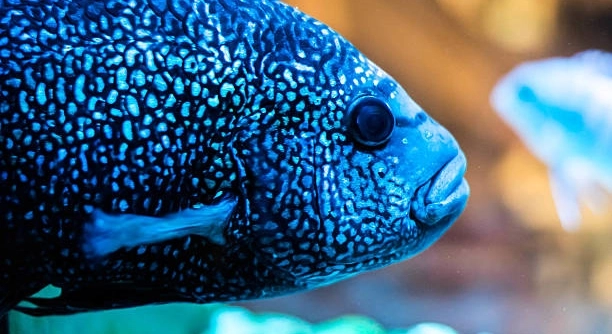
Have you ever noticed your fish swimming in tight circles or brushing against tank walls more often than usual? Observing how your fish moves can reveal a lot about its comfort and living space requirements. Tank size can affect their health and daily behavior.
Fish often show signs of needing more space when their environment is too small for natural movement. Limited space can lead to stress, stunted growth, aggression, and decreased overall health, making it essential to monitor tank conditions and population density.
Understanding these signs will help you provide a healthier environment and improve your fish’s well-being and happiness in their aquatic home.
Signs Your Fish Is Outgrowing Its Tank
One common sign that your fish needs more space is when it constantly bumps into decorations or the tank walls. Fish may also show rapid breathing or erratic swimming patterns when they feel cramped. Overcrowding can lead to increased waste levels, which affect water quality. Poor water quality often results in illness or stress for the fish. When a fish has limited space, it can become territorial, showing aggression toward tank mates. In some cases, fish may stop eating or hide frequently. Observing how your fish interacts with its environment can help identify whether the tank is too small. Fish also need room to exercise, which supports muscle development and overall health. A tank that is too small prevents proper growth and may reduce lifespan. Proper monitoring and timely adjustments can prevent long-term health problems.
Watching for unusual behavior and reduced activity helps you notice when your fish requires more space in its tank.
By keeping an eye on your fish daily, you can catch early signs of stress. If the tank feels crowded or fish appear restless, it’s a strong indication they need a larger environment. Small tanks may seem manageable, but they quickly become restrictive. Adding more space allows fish to swim naturally, explore their surroundings, and interact appropriately with other fish. Proper tank size also helps maintain better water quality. Waste products are diluted more effectively in larger tanks, reducing the risk of harmful ammonia spikes. Fish that have enough room tend to eat more consistently and show normal growth patterns. They also display less aggression and more natural behaviors, such as schooling or exploring decorations. Providing a larger tank improves both physical health and mental stimulation. Adjusting the tank size early ensures fish remain active, healthy, and more vibrant, enhancing the overall aquarium experience.
How to Safely Expand Your Tank
Increasing tank space should be done carefully to avoid stress. Introduce the new environment slowly and monitor water parameters.
Gradually moving fish to a larger tank helps them adjust safely. Fill the new tank with water matching temperature and pH. Add decorations and hiding spots to recreate familiar areas. Transfer the fish gently, avoiding sudden changes that could shock them. Monitor their behavior closely over the first few days. Watch for signs of stress such as rapid breathing, hiding, or loss of appetite. Adjust feeding routines if necessary and ensure the new space is fully cycled. Maintaining consistent lighting and filtration will help the fish adapt quickly. This approach reduces the risk of illness and ensures a smooth transition. A well-planned expansion supports long-term health and comfort, keeping your fish active and thriving.
Would you like me to continue the next section following your format?
Monitoring Fish Behavior
Fish that feel confined often pace along the tank edges or hide excessively. They may show changes in appetite, swimming speed, or interaction with other fish. Regularly observing behavior helps you detect early signs that your tank is too small, preventing long-term stress and health issues.
Consistent behavior monitoring allows you to respond before serious problems develop. Fish that have adequate space swim freely, interact naturally, and maintain steady eating patterns. Overcrowded or small tanks can trigger aggression or lethargy, which impacts growth and vitality. Tracking how your fish behaves each day ensures you can make timely adjustments. Observing subtle changes, such as increased hiding or erratic swimming, provides valuable insight into whether they need more space. Small tanks often mask these behaviors until stress becomes severe.
Adjusting tank size based on observed behavior improves overall well-being. Fish respond positively when given enough room, reducing illness and encouraging natural activities. Regular observation is essential to maintaining a balanced aquarium environment.
Choosing the Right Tank Size
Selecting a larger tank is key for long-term health. Consider species, growth potential, and number of fish before upgrading to avoid overcrowding.
Proper tank selection depends on fish species, adult size, and activity level. Fish that grow quickly or are highly active require significantly more space. Overestimating tank size slightly can prevent future problems as fish mature. Avoid overcrowding, which can lead to stress, poor water quality, and disease. Decorations and hiding spots also affect available swimming space, so plan accordingly.
It’s important to balance tank size with maintenance capabilities. Larger tanks provide stable water parameters but require proper filtration, regular cleaning, and monitoring. Placement of equipment and decorations should allow free swimming areas while offering security. Account for the adult size of fish, not just current dimensions, when purchasing a tank. Gradual adjustments prevent shock and allow fish to adapt to their environment comfortably. Prioritizing space and proper setup ensures healthy, active, and stress-free fish over time.
Signs of Stress in Fish
Stress in fish can appear as clamped fins, rapid breathing, or unusual hiding. These behaviors often indicate that the tank is too small or the environment is not properly balanced. Monitoring these signs early helps prevent serious health problems.
Other stress indicators include loss of appetite and aggression toward tank mates. Fish may also swim erratically or rub against surfaces. Noticing these behaviors early allows you to adjust tank size or improve conditions before stress affects growth and overall health.
Importance of Water Quality
Maintaining clean water is essential when providing enough space. Small tanks accumulate waste quickly, leading to toxic ammonia and nitrite levels. Larger tanks dilute waste more effectively, making it easier to keep water safe. Proper filtration, regular testing, and water changes are crucial. Fish in well-maintained water are more active, healthier, and less prone to disease. Overcrowded tanks make it difficult to maintain stable water conditions, causing stress even if tank size seems sufficient. Monitoring water quality and adjusting maintenance routines alongside tank size ensures long-term fish health and comfort.
Using Decorations Wisely
Decorations should provide hiding spots without overcrowding swimming space. Choose pieces that create security while allowing free movement.
FAQ
How do I know if my fish is stressed from lack of space?
Fish show stress in several ways when they do not have enough room. They may pace along tank walls, hide more than usual, or swim erratically. Rapid breathing, clamped fins, or loss of appetite are also common signs. Observing these behaviors daily helps you catch early issues before they affect health. Stress can make fish more susceptible to disease and slow their growth.
Can too many decorations cause my fish to feel cramped?
Yes. While decorations provide hiding spots and mental stimulation, overcrowding the tank can limit swimming space. Fish need open areas to swim naturally. Balance decorations with empty space to allow for movement and exploration. Position plants, rocks, and ornaments so fish can navigate freely without bumping into obstacles.
How often should I monitor my fish’s behavior?
Daily observation is ideal. Watching your fish at consistent times allows you to notice subtle changes in activity, feeding, or interaction with tank mates. Early detection of stress or aggression can prevent long-term problems. Keep a small log if needed to track behavior patterns over time.
What is the minimum tank size for common freshwater fish?
Tank size depends on species, adult size, and activity level. Small fish like tetras can thrive in 10-20 gallons, while larger or more active fish such as angelfish or goldfish often need 30 gallons or more. Overestimating size slightly is better than underestimating to accommodate growth and swimming space.
How do I safely move my fish to a larger tank?
Fill the new tank with water matching the current tank’s temperature and pH. Transfer fish gently using a soft net or container, avoiding sudden movements. Maintain familiar decorations or hiding spots if possible. Monitor behavior closely over the first few days to ensure a smooth adjustment and reduce stress.
Does water quality improve in larger tanks?
Yes. Larger tanks dilute waste more effectively, making it easier to maintain stable water parameters. Ammonia, nitrite, and nitrate levels rise slower in bigger volumes of water. Proper filtration and regular water testing are still essential to prevent harmful spikes and maintain a healthy environment.
How can I tell if tankmates are fighting due to space issues?
Aggression often indicates overcrowding. Watch for chasing, nipping, or territorial behavior. If fights are frequent, it may be necessary to provide more space or additional hiding spots. Separating aggressive individuals temporarily can also reduce stress and injury.
Are all fish species sensitive to tank size?
Most fish benefit from ample swimming space, but sensitivity varies. Active species, fast swimmers, and fish that grow large need more room. Some small, slow-moving species tolerate smaller tanks but still need proper water quality and enrichment. Research each species’ natural behavior to provide adequate space.
How can I prevent stress while adjusting tank size?
Introduce changes gradually. Keep water parameters consistent, maintain familiar decorations, and monitor behavior closely. Avoid sudden additions of tankmates or drastic rearrangements. Provide hiding spots and allow fish time to explore new space at their own pace.
Do overcrowded tanks affect fish lifespan?
Yes. Limited space increases stress, aggression, and disease risk, which can shorten lifespan. Fish with sufficient room tend to grow properly, remain active, and live longer. Ensuring appropriate tank size and conditions is a key factor in long-term health and wellbeing.
Is it necessary to upgrade tank size as fish grow?
Absolutely. Many fish outgrow their initial tanks. Providing larger environments accommodates growth, encourages natural behavior, and reduces stress. Planning for adult size from the beginning avoids frequent relocations and ensures a comfortable, healthy habitat.
How do I balance decorations with swimming space?
Decorations should enhance the environment without blocking movement. Place plants, rocks, and ornaments to create pathways and open areas. Ensure hiding spots are accessible but not overcrowded. This balance keeps fish stimulated while giving them freedom to swim naturally and maintain proper activity levels.
What should I do if I cannot increase tank size immediately?
If upgrading isn’t possible, reduce the number of fish to decrease crowding. Limit decorations that restrict movement, and perform more frequent water changes to maintain quality. Adjust feeding and monitor behavior closely to reduce stress until a larger tank is available.
Can tank size affect fish breeding?
Yes. Fish often require extra space to spawn successfully. Overcrowded tanks may prevent natural mating behaviors and lead to aggression between mates or fry predation. Providing adequate space increases breeding success and supports healthy development of offspring.
How does tank size influence fish health long-term?
Proper space reduces stress, supports growth, and prevents illness caused by poor water quality or aggression. Fish with enough room maintain better immune function, display natural behaviors, and generally live longer. Tank size is one of the most critical factors in maintaining overall fish health.
Can I use plants to create more space visually?
Yes. Live or artificial plants can create zones without overcrowding the tank. Strategically placed plants provide hiding spots and reduce stress while keeping swimming areas open. Avoid dense clusters that limit movement or create dead zones where water circulation is poor.
How often should I adjust the tank as fish grow?
Monitor growth and behavior continuously. Adjustments may be needed every few months depending on species. Plan for adult size initially, but be ready to expand or reorganize the tank as fish reach maturity. Consistent observation ensures a safe and comfortable environment.
Does tank shape matter for fish space?
Yes. Longer, wider tanks provide more horizontal swimming room than tall, narrow tanks. Most fish prefer horizontal space for movement. Consider the species’ natural swimming patterns when choosing tank dimensions to maximize usable space and reduce stress.
What are signs that my fish is finally comfortable in a larger tank?
Fish that swim freely, explore decorations, eat consistently, and interact calmly with tankmates are typically comfortable. Reduced hiding, more consistent activity, and natural schooling or territorial behaviors indicate they are adapting well to the expanded environment.
How do I balance tank size and maintenance effort?
Larger tanks provide better space and stable conditions but require proper filtration and cleaning. Plan a maintenance schedule that fits your routine. Regular water testing, partial water changes, and cleaning substrate and decorations keep the tank healthy without being overwhelming.
Can small tanks ever be acceptable for certain fish?
Small tanks can work for tiny, slow-growing species if water quality is maintained, population is limited, and decorations do not restrict movement. Even then, careful monitoring and frequent maintenance are essential to ensure fish remain healthy and stress-free.
What is the biggest risk of ignoring tank size needs?
Ignoring space requirements leads to chronic stress, stunted growth, aggression, disease, and shorter lifespan. Fish may develop behavioral problems and suffer from poor health. Providing adequate space from the beginning prevents these risks and promotes a stable, thriving aquarium environment.
How do I plan for multiple species in a tank?
Consider adult sizes, swimming needs, and temperament. Avoid overcrowding by calculating total space requirements. Ensure enough open areas for active species and hiding spots for shy or territorial fish. Proper planning prevents conflict and promotes healthy interactions among all tank inhabitants.
Can fish adapt to smaller tanks over time?
Fish may survive in smaller spaces, but long-term adaptation often comes with stress, health issues, and shortened lifespan. Providing ample room is always better for growth, behavior, and well-being, even if they initially tolerate a smaller environment.
How do I educate myself about tank size for new fish?
Research species-specific requirements, read care guides, and consult aquarium experts. Knowing adult size, swimming behavior, and social needs helps determine appropriate tank dimensions. Proper education prevents mistakes that can compromise fish health and comfort.
What simple steps improve fish comfort immediately?
Reduce overcrowding, provide open swimming areas, maintain water quality, and add accessible hiding spots. Gradually adjusting tank layout and monitoring behavior can quickly lower stress and encourage natural activity while preparing for potential tank upgrades.
How does temperature interact with tank size?
Stable temperature is easier to maintain in larger volumes of water. Small tanks experience rapid fluctuations, which stress fish. Ensure heaters and filters are appropriately sized to keep conditions stable, supporting fish health alongside proper tank dimensions.
Can I combine smaller tanks instead of upgrading to one big tank?
Multiple small tanks can work for separation, breeding, or quarantine, but they do not replace the benefits of a single spacious tank for active, social species. Combining tanks may increase maintenance complexity without providing adequate swimming space.
What role does filtration play in larger tanks?
Filtration is essential regardless of size, but larger tanks benefit from powerful systems that maintain water quality. Proper filtration supports fish health, reduces stress, and complements the advantages of increased space. Maintenance must match tank volume to prevent water quality issues.
How can I encourage activity in a new, larger tank?
Provide open swimming areas, scattered decorations, and safe hiding spots. Arrange plants and rocks to create zones that invite exploration. Feed at different locations to stimulate movement. Gradually changing decorations over time keeps fish engaged without causing stress.
Is tank size more important than the number of fish?
Both matter, but adequate space for each individual is critical. Overcrowding leads to stress, aggression, and disease, regardless of water volume. Prioritize giving fish room to swim freely and behave naturally, then adjust population and decorations accordingly.
How do I maintain social species in larger tanks?
Ensure enough space for schooling behavior and individual territories. Avoid crowding and monitor interactions closely. Large tanks allow natural social structures to form while reducing stress from competition or aggression. Proper balance supports healthy, active fish communities.
What are the long-term benefits of giving fish more space?
Fish with sufficient room display natural behaviors, grow to full size, experience less stress, and have longer lifespans. Larger tanks promote stable water conditions, better health, and happier, more active fish. Prioritizing space is a simple way to improve aquarium care overall.
How do I adjust feeding in a bigger tank?
Feed smaller amounts spread across the tank to encourage movement and reduce waste buildup. Ensure all fish have access without overfeeding. Proper distribution supports healthy activity and maintains water quality, complementing the benefits of a larger environment.
Are there signs that fish need even more space after upgrading?
If fish still hide excessively, chase tankmates, or swim frantically, the new tank may still be limiting. Reassess population, layout, and decorations. Sometimes further adjustments are necessary to create a truly comfortable environment.
How can I prevent future space issues as my fish grow?
Plan for adult sizes, research species needs, and choose tanks slightly larger than currently required. Monitor behavior regularly, maintain water quality, and be ready to upgrade when necessary. Proactive planning avoids stress, aggression, and health problems later.
What small changes can improve fish comfort immediately?
Rearranging decorations for open pathways, reducing crowding, and providing extra hiding spots can lower stress. Even minor adjustments in layout or population can make a noticeable difference in swimming freedom and overall well-being.
How does overcrowding affect breeding success?
Crowded conditions can prevent proper mating behaviors and increase aggression toward eggs or fry. Adequate space encourages natural breeding, reduces stress, and improves survival rates of offspring.
What tools help measure adequate tank space?
Rulers, tank volume calculators, and species-specific care guides help determine minimum space requirements. Observing fish behavior in relation to tank dimensions is also essential. Combining these tools ensures proper sizing and reduces stress-related problems.
How do I know when it’s time to upgrade again?
Signs include frequent hiding, aggression, erratic swimming, stunted growth, or persistent stress indicators. Monitor fish size and behavior regularly. If they no longer have room to move naturally, a larger tank or rearrangement is necessary.
Can tank plants reduce stress even in a smaller tank?
Yes. Plants provide hiding spots and visual barriers, which can reduce aggression and stress. However, they do not replace the need for adequate swimming space. Use plants strategically without overcrowding the tank to maximize comfort.
What is the single most important factor for fish well-being?
Providing sufficient space is key. It supports natural behavior, reduces stress, improves water quality, and prevents aggression. While filtration, feeding, and decorations matter, space fundamentally determines a fish’s health and happiness in the long term.
How do I balance multiple needs in a larger tank?
Plan for species’ size, activity, and social behavior. Arrange decorations to allow swimming space while offering hiding spots. Maintain water quality and feeding routines to complement the benefits of a larger environment. Regular observation ensures all fish remain healthy and comfortable.
How often should I reassess tank conditions?
At least once a month, or more frequently if adding new fish. Check water quality, behavior, growth, and space requirements. Reassessing ensures the environment remains suitable as fish develop and conditions change.
Does tank lighting affect perceived space?
Bright or uneven lighting can make fish feel exposed. Balanced lighting combined with open areas and hiding spots helps fish feel secure. Proper lighting also supports plant growth and normal behavior patterns.
Can fish with ample space still get stressed?
Yes, if water quality, temperature, or social interactions are poor. Space alone is not enough; all environmental factors must be balanced to ensure well-being. Proper monitoring and maintenance reduce stress even in large tanks.
What should I do if space is limited but more fish are added?
Avoid adding fish until tank size is sufficient. Overcrowding increases aggression, stress, and disease risk. Consider temporary separation or upgrading the tank to ensure all fish have adequate space to thrive.
How does tank width vs. height affect comfort?
Horizontal swimming space is generally more important than vertical space for most species. Long, wide tanks allow natural movement patterns, while tall, narrow tanks restrict horizontal exploration. Plan dimensions according to fish behavior and size.
What signs indicate a fish is fully comfortable in a new tank?
Calm, consistent swimming, regular feeding, interaction with tankmates, and reduced hiding indicate comfort. Fish explore freely, display natural behaviors, and appear healthy and active throughout the day.
How do I maintain a balance between decor and open space?
Decorate to provide security and stimulation while leaving clear swimming paths. Rotate decorations occasionally to encourage exploration. Avoid dense clusters that restrict movement or impede water flow.
What role does tank size play in preventing disease?
Larger tanks dilute waste, maintain stable water parameters, and reduce stress, lowering the risk of disease. Crowded tanks concentrate toxins and increase infection chances, even with proper filtration. Space is a key preventative measure.
Can fish adapt to overcrowding long-term?
Survival is possible, but chronic stress, stunted growth, and shorter lifespan are common. Adequate space from the beginning ensures healthier, longer-living fish and reduces behavioral problems.
How do I make a larger tank feel secure?
Add hiding spots, plants, and visual barriers without reducing swimming space. Balance open areas with protected zones to help fish feel safe while moving freely. Proper arrangement encourages natural behavior and reduces stress.
Does tank size influence feeding habits?
Yes. Larger tanks allow fish to spread out and access food without competition. Overcrowded tanks increase aggression during feeding and may lead to uneven growth. Adequate space supports healthy feeding patterns and reduces stress.
What is the recommended buffer when choosing a tank size?
Select a tank slightly larger than minimum requirements to accommodate growth, swimming needs, and water quality. This buffer prevents overcrowding and allows flexibility for decorations and additional fish.
How does tank shape affect schooling fish?
Schooling fish need horizontal space to swim together naturally. Narrow tanks restrict movement and can increase stress. Wider tanks encourage coordinated swimming and reduce aggressive encounters within the group.
How do I know if my fish is happy?
Happy fish are active, eat consistently, explore their environment, interact calmly with tankmates, and show normal coloration. Observing daily behavior is the best indicator of comfort and well-being.
Can tank size affect coloration?
Yes. Stress from overcrowding or poor space can dull colors. Adequate swimming room, clean water, and minimal aggression help fish maintain vibrant, healthy coloration naturally.
What are common mistakes when upgrading tanks?
Rushing the transfer, ignoring water parameters, or adding too many tankmates at once can cause stress. Gradual changes, proper acclimation, and observation prevent mistakes and ensure a smooth transition.
How do I prioritize space over decorations?
Focus on leaving clear swimming paths and open areas before adding ornaments. Use decorations sparingly for enrichment and hiding spots, but never compromise the room needed for natural movement.
Can tank size influence fish exercise?
Absolutely. More space encourages swimming, exploration, and active behavior, which supports muscle development and overall health. Small, cramped tanks limit movement and reduce exercise opportunities.
What are the benefits of planning for adult size early?
Planning prevents frequent upgrades, reduces stress, and ensures fish grow naturally. It allows proper population management and creates a stable, comfortable environment for long-term health and well-being.
How do I adjust a tank as fish grow quickly?
Monitor growth regularly, maintain water quality, and be ready to expand tank size or reorganize layout. Gradual, planned adjustments support health, reduce stress, and accommodate natural behavior patterns.
Is it possible to overdecorate a large tank?
Yes. Even in spacious tanks, too many decorations can block swimming paths, create dead zones, and restrict movement. Balance enrichment with open areas to maintain comfort and activity.
How do I combine multiple fish species without overcrowding?
Consider adult sizes, swimming needs, and temperament. Space must be adequate for all species to coexist comfortably. Provide hiding spots and open swimming areas while avoiding adding too many individuals at once.
Can tank size affect reproductive success in fish?
Yes. Sufficient space allows natural courtship, reduces stress, and prevents aggression toward eggs or fry. Overcrowding often hinders breeding and reduces offspring survival.
What role does observation play in tank management?
Daily observation allows early detection of stress, aggression, or health issues. It guides decisions about tank size, layout, population, and maintenance, ensuring a healthy and comfortable environment.
How do I gradually increase tank size?
Introduce a new tank with matching water parameters, transfer fish slowly, maintain familiar decorations, and monitor behavior. Gradual expansion reduces stress and allows fish to adapt comfortably.
Can tank size impact social hierarchy?
Yes. Crowded spaces can intensify competition, stress, and aggression. Larger tanks provide room for territories, reduce conflicts, and allow natural social structures to develop.
How do I maintain water quality in a larger tank?
Use appropriate filtration, perform regular water testing, and schedule partial water changes. Larger tanks are easier to maintain if monitored consistently, supporting fish health and reducing stress.
Does tank size affect fish metabolism?
Indirectly. Fish in cramped, stressful environments may eat less or expend energy inefficiently, affecting growth and health. Adequate space promotes normal feeding, swimming, and overall metabolism.
How do I prepare for future growth when buying new fish?
Research adult size
Providing enough space for your fish is one of the most important steps in keeping them healthy and comfortable. Fish need room to swim freely, explore their environment, and interact naturally with tankmates. A tank that is too small can lead to stress, aggression, and poor health. Even if water quality is maintained, cramped conditions prevent fish from behaving normally. Over time, this can slow growth and shorten their lifespan. Observing how your fish moves, interacts, and eats is a simple way to see if they are thriving or if adjustments are needed. Paying attention to these behaviors regularly allows you to respond quickly and improve their environment before serious issues develop.
Choosing the right tank size requires planning and consideration. Different species have varying space needs based on adult size, activity level, and social behavior. Active swimmers or larger species require more room to move and maintain natural behaviors. Even small fish benefit from extra space, as it reduces stress and provides better water quality over time. Decorations should support their comfort without blocking swimming areas. Plants, rocks, and ornaments create hiding spots and visual interest, but balance is key. Open areas allow fish to exercise and explore safely. A slightly larger tank than the minimum recommended size gives flexibility for growth and prevents the need for constant adjustments. This approach ensures that fish remain active, healthy, and comfortable in their home for years to come.
Monitoring and maintaining a healthy environment goes beyond just tank size. Water quality, temperature, filtration, and feeding all work together to keep fish thriving. Proper maintenance in combination with adequate space reduces stress, supports growth, and prevents illness. Gradual adjustments when adding new fish or upgrading the tank help avoid sudden shocks that can harm your fish. Observing behavior, maintaining stable conditions, and planning for the future are all simple strategies that improve well-being. A thoughtful approach to space and care ensures your fish live longer, show natural behaviors, and enjoy a more comfortable environment, making the aquarium a healthier and more enjoyable place for both you and your fish.

Hello,
If you enjoy the content that we create, please consider saying a "Thank You!" by leaving a tip.
Every little bit helps us continue crafting quality advice that supports the health, happiness, and well-being of pets around the world, for pets of all shapes, sizes, and species.
We really appreciate the kindness and support that you show us!