
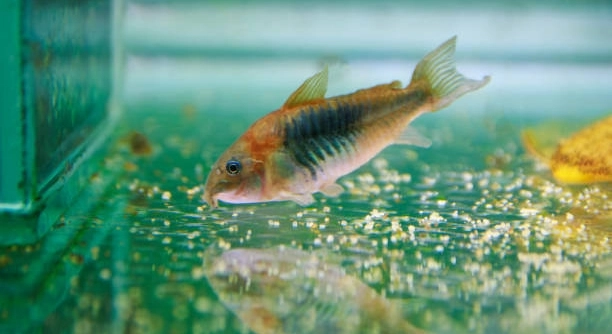
Corydoras catfish are known for their calm demeanor and playfulness. Understanding how they express trust can improve your bond with them. Identifying these signs can be a rewarding experience for any aquarium enthusiast.
Trust from a Corydoras catfish is often shown through their behavior, such as following you around the tank or swimming towards your hand. These fish tend to trust their owner when they feel safe and comfortable in their environment.
Observing these behaviors will enhance your relationship with your Corydoras catfish and help you better care for them in the long run.
Understanding Your Corydoras Catfish’s Body Language
Corydoras catfish use their body language to communicate their emotions. When they trust you, their movements become more relaxed and confident. They may swim freely, often near the surface or in the open areas of the tank. A trusting catfish will not shy away from your presence or dart into hiding as soon as you approach. If you notice your catfish swimming toward you or approaching your hand, this is a clear sign they are becoming comfortable in your presence. However, their behavior can be subtle. The more time you spend observing them, the easier it becomes to recognize these signs of trust.
Your catfish’s movements are key indicators of how they feel about you. A sudden retreat or erratic swimming could indicate stress, while calm movements show contentment.
The bond you share with your catfish is built on consistency and patience. By maintaining a steady routine, such as regular feeding times, you help establish a sense of security for them. The catfish will begin to associate you with positive experiences, reinforcing trust.
The Role of Feeding in Building Trust
Feeding your Corydoras catfish can play a significant role in building trust. When they approach you during feeding time, it’s a sign they feel comfortable. By offering food at the same time each day, you create a sense of stability for your fish. They will learn to recognize you as the source of nourishment, strengthening their trust.
Incorporating hand-feeding can also encourage this bond. Holding the food gently in your hand and allowing the fish to nibble from your fingers can promote positive interactions. Over time, your catfish may begin to associate you with safety and care, encouraging them to approach you more confidently.
This trust also benefits their health. A comfortable fish is less stressed and more likely to thrive in its environment. By consistently providing nourishment and being present during feeding, you help your Corydoras catfish develop a lasting bond with you.
The Importance of Consistency in Interactions
Consistent interactions build trust with your Corydoras catfish. By maintaining regular schedules for feeding and tank cleaning, you create a predictable environment where they feel safe. Your catfish will start recognizing patterns and become more comfortable with you.
Over time, the more you show up consistently, the less they will hide when you approach the tank. The reassurance they get from this routine is essential to building their trust. They will learn to recognize your presence as something familiar and secure, not a potential threat.
Your catfish may begin to approach you during feeding time or swim around you when you’re near the tank. This behavior is a sign that your Corydoras have grown more accustomed to you, and they are now more willing to trust you. Consistency and patience are key in this process.
Observing Changes in Their Behavior
Behavioral shifts in your Corydoras catfish can indicate how much they trust you. When they feel safe, they tend to become more active. If you notice your catfish swimming calmly throughout the tank or in the open, this is a positive sign of trust.
The absence of fearful behavior, like darting into hiding or staying near the tank’s corners, is another sign. Trusting Corydoras are more likely to be found exploring the tank freely. It shows they have no immediate fears of you or their environment.
Behavioral observations also help you determine when something is wrong. If you notice unusual changes in how they behave, it’s essential to check their water conditions or diet. Sometimes stress can cause them to withdraw. Your awareness of these patterns helps strengthen the connection between you and your fish.
Understanding Stress Responses
Stress is a major factor in your Corydoras catfish’s behavior. When they feel uneasy, they may retreat into hiding or swim erratically. Understanding their stress triggers, such as sudden movements or changes in water conditions, can help improve their trust in you.
Avoid making sudden movements near the tank. This can startle them and cause them to retreat. Maintaining a calm and consistent approach helps them feel secure. By monitoring their behavior, you’ll notice when they’re most at ease and when they’re feeling stressed.
The Importance of Tank Environment
The environment plays a crucial role in building trust. Corydoras are bottom-dwelling fish, so they prefer tanks with hiding spots and soft substrate. Ensuring your tank has enough plants or decorations provides a sense of security.
A well-maintained tank with proper filtration and temperature will keep your catfish comfortable. If the water is too warm or polluted, it will cause stress, making them less likely to trust you. Regular water changes, proper filtration, and maintaining the right temperature encourage a peaceful environment that helps foster trust.
Trust and Hand-Feeding
Hand-feeding can be a powerful way to strengthen your bond with Corydoras catfish. When you offer food directly from your hand, it shows your catfish that you are a source of comfort. The more often you offer food this way, the more trust they build with you.
Start by offering food gently and slowly so they feel safe. Some catfish may hesitate initially, but with time, they will learn that your hand is harmless. This trust can also help you observe their eating habits more closely, ensuring they are healthy and well-fed.
FAQ
How can I tell if my Corydoras catfish trusts me?
When your Corydoras catfish trusts you, they will behave in a more relaxed manner around you. You may notice them swimming towards you, following your hand, or exploring the tank openly without hiding. They’ll likely show less fear of your presence, swimming near the surface or even directly approaching your hand during feeding. Over time, they’ll become more accustomed to your movements and stop darting away when you approach the tank. Consistent, calm interactions will help your catfish become more trusting.
What are the signs that my Corydoras catfish is stressed?
Stress in Corydoras catfish can manifest in several ways. If they swim erratically or rapidly dart into hiding, this is often a sign of stress. Stress can also lead to reduced activity, with your catfish staying in one corner of the tank or resting for extended periods. Stress is often caused by poor water conditions, sudden changes in the environment, or quick, startling movements from you. If you notice these behaviors, it’s important to check the water parameters and ensure the tank environment is stable.
Is hand-feeding my Corydoras catfish a good way to build trust?
Hand-feeding can indeed help build trust with your Corydoras catfish. When you offer food directly from your hand, they begin to associate you with positive experiences, reinforcing the trust between you. Initially, they may be hesitant or unsure, but over time they’ll grow more comfortable and approach your hand. Hand-feeding also gives you the opportunity to observe your catfish’s health more closely, ensuring they are eating properly. This method works best if you approach them gently and consistently during feeding times.
How do I maintain a peaceful environment for my Corydoras catfish?
A peaceful tank environment is essential for your Corydoras catfish’s comfort and trust. Keep the tank well-maintained with regular water changes, proper filtration, and a stable temperature. Corydoras prefer a soft substrate like sand, as this allows them to root around naturally. Adding plants or other hiding spots can also help them feel secure. Avoid sudden movements or loud noises near the tank, as these can cause stress. Providing a calm and stable environment will encourage your catfish to trust you and feel safe in their home.
Can Corydoras catfish recognize their owner?
Corydoras catfish can recognize their owners, especially when they are fed consistently. Over time, they’ll learn to associate your presence with food and safety. This recognition is not based on visual identification but rather on patterns and associations they form. They may approach the tank when they see you or follow your hand during feeding times. The more consistently you interact with them, the more likely they are to recognize you and build trust over time.
What should I do if my Corydoras catfish is not eating?
If your Corydoras catfish isn’t eating, it could be a sign of stress, poor water conditions, or health issues. First, check the water quality and ensure the temperature, pH, and hardness are within the ideal range for your catfish. A stressed or sick fish may stop eating, so ensure the tank is peaceful and free from aggressive tank mates. If water conditions are fine and your fish continues to refuse food, it may be time to consult with a veterinarian or an aquarium expert to rule out any health problems.
How often should I feed my Corydoras catfish?
Corydoras catfish should be fed once or twice a day, depending on their size and activity level. It’s important to avoid overfeeding, as this can lead to water quality issues. Feed them small amounts of food that they can consume within a few minutes. Corydoras are bottom feeders, so sinking pellets or food that settles at the bottom of the tank works well. Observe their eating habits to ensure they are getting enough nutrition without excess food decaying in the tank.
What type of food should I feed my Corydoras catfish?
Corydoras catfish are omnivores and benefit from a varied diet. High-quality sinking pellets, freeze-dried foods, and live or frozen foods like bloodworms or brine shrimp are excellent options. You can also supplement their diet with small amounts of vegetables like blanched peas or zucchini. Providing a variety of foods ensures they get all the nutrients they need for health and growth. Always remove any uneaten food to prevent water contamination.
Do Corydoras catfish need tank mates?
Corydoras catfish are peaceful fish and can live well with other calm species. While they do not necessarily need tank mates to be happy, keeping them with compatible fish can help them feel more secure. Choose non-aggressive fish that are similar in size. Avoid placing them with fin-nippers or overly active species. Tank mates that are peaceful and do not compete for food will create a more relaxed environment for your Corydoras catfish, encouraging trust and reducing stress.
Why is my Corydoras catfish hiding all the time?
If your Corydoras catfish is hiding frequently, it could be due to stress, illness, or poor water conditions. Check the water parameters to ensure they are within the ideal range for your catfish. Sudden changes in the tank, such as new tank mates or noisy surroundings, can cause them to seek refuge. Additionally, Corydoras may hide if they feel threatened or insecure. If the behavior persists, consider adjusting the environment and providing more hiding spots for security. If it continues, further investigation into their health may be necessary.
Final Thoughts
Building trust with your Corydoras catfish takes patience and consistent care. These small, peaceful fish are not as expressive as some other pets, so their trust must be earned through subtle interactions and a stable environment. Over time, they will come to recognize you as a safe presence, which can make their care more enjoyable and rewarding. Remember, trust is built through routine and calm behavior, and your catfish will gradually feel more comfortable in your presence.
The key factors in gaining the trust of your Corydoras catfish are water quality, tank setup, and feeding habits. Maintaining optimal water conditions and a peaceful tank environment will reduce stress and help your catfish feel secure. Adding plenty of hiding spots and using a soft substrate like sand will also help them feel more comfortable. Furthermore, providing a variety of food and feeding them in a calm, consistent manner will not only meet their nutritional needs but will also reinforce the bond between you and your catfish.
Patience is important when trying to develop trust with your Corydoras. Each fish is different, and while some may trust you more quickly, others may take more time. It’s essential to approach them gently and avoid sudden movements. Over time, these interactions will build familiarity, and your catfish will start to show more confidence around you. Whether they are swimming closer to the surface or accepting food directly from your hand, these small signs will demonstrate that your efforts have been successful.

Hello,
If you enjoy the content that we create, please consider saying a "Thank You!" by leaving a tip.
Every little bit helps us continue crafting quality advice that supports the health, happiness, and well-being of pets around the world, for pets of all shapes, sizes, and species.
We really appreciate the kindness and support that you show us!