
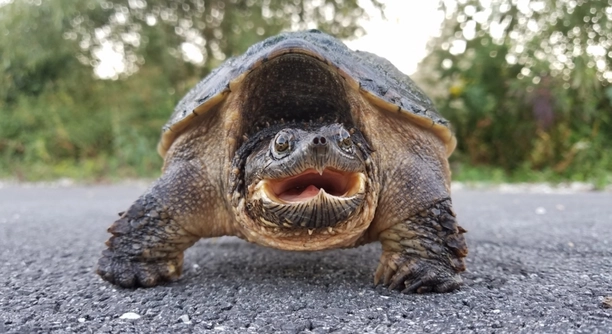
If you own a common snapping turtle, you may be concerned about its health and weight. Knowing whether your turtle is underweight can be tricky, but it’s essential to ensure it thrives.
To determine if your common snapping turtle is underweight, observe its body condition, shell, and behavior. Check for noticeable changes like a protruding spine or visible ribs, which can signal that your turtle isn’t getting enough nutrition.
Monitoring your turtle’s weight and overall health can help you keep it in optimal shape. Understanding these signs is important for your turtle’s well-being.
1. Assessing the Snapping Turtle’s Shell Condition
The shell is one of the most important parts to monitor when checking your snapping turtle’s health. A well-fed turtle will have a firm, smooth shell that is not too thin or brittle. If the shell appears sunken, soft, or flaky, it could be a sign that your turtle is underweight. Pay attention to the shape and overall condition of the shell. A healthy turtle’s shell should also have a glossy, natural look. If the shell looks dull or rough, it may indicate malnutrition or an insufficient diet.
Even though the shell can appear thick, it may not reflect your turtle’s overall body weight. Be sure to check for other signs, such as muscle tone and fat reserves, to get an accurate picture of its health.
It is important to regularly observe the shell’s condition, as this can provide an early warning if your turtle isn’t gaining the weight it needs. If you notice significant changes in shell appearance, consult a vet for further evaluation.
2. Examining Activity Levels
If your snapping turtle is underweight, you might notice a decrease in its usual activity level. Turtles in poor health tend to be less active, spending more time resting.
Lack of movement can be a sign of low energy levels due to insufficient nutrition. A healthy turtle will be more willing to move around, explore, and hunt for food.
Be sure to monitor your turtle’s daily behavior closely. When a turtle isn’t eating enough, it can cause lethargy and lack of interest in its environment. If you see this happening, it’s time to take a closer look at their diet and overall care routine.
3. Checking for Visible Ribs and Spine
One of the most obvious signs that your snapping turtle may be underweight is if you can see its ribs or spine. A healthy turtle should have some fat coverage over these areas, so they shouldn’t be visible. If the ribs or spine are noticeable, it suggests that your turtle is not getting enough food.
A prominent spine or rib cage means your turtle is likely lacking in body fat. In the wild, snapping turtles have access to a variety of food sources, so it’s important to replicate this in captivity by offering a balanced diet. You can also provide more protein to help your turtle gain weight.
If you spot these signs, it’s essential to adjust their diet. Ensure your turtle is eating the right kinds of food, such as a mixture of proteins, fruits, and vegetables. If necessary, consult a veterinarian to make sure you’re meeting its nutritional needs.
4. Monitoring Eating Habits
A common indicator of an underweight turtle is a decrease in appetite. If your snapping turtle is not eating its meals, it’s likely not getting the proper nutrition it needs to stay healthy. Snapping turtles are known to have good appetites, so if your turtle is refusing food or eating very little, it might be struggling with weight gain.
It’s also important to note the type of food your turtle is eating. Are you providing a well-rounded diet, or is it mostly one kind of food? Turtles require a balanced diet to maintain their health, so try varying their food to see if it sparks an interest. Snapping turtles enjoy protein-rich foods, such as fish and worms, but they also need leafy greens and vegetables.
Don’t ignore changes in appetite. If your turtle is losing weight or showing a lack of interest in food, it could be a sign of more serious health issues. It’s essential to regularly evaluate their diet and seek advice from a vet if the eating habits persist.
5. Observing the Turtle’s Weight
You should regularly check the weight of your snapping turtle to catch any signs of underweight. Weighing your turtle on a scale designed for reptiles can give you an accurate reading. If it’s losing weight over time, this could signal malnutrition.
Weight loss in turtles can occur slowly, making it harder to notice without regular measurements. Be sure to track your turtle’s weight every few weeks to monitor its health. If the weight consistently decreases, it’s important to address the issue immediately by adjusting its diet or seeking veterinary help.
6. Inspecting for Dehydration
Dehydration can also make your snapping turtle look underweight, as it can lead to loss of muscle mass and lower body fat. A dehydrated turtle will often be lethargic and may refuse food. To check for dehydration, look for signs like dry, wrinkled skin around the neck and legs.
A dehydrated turtle may also have sunken eyes. Ensure your turtle has access to clean water at all times to prevent dehydration. If your turtle shows signs of dehydration, offer fresh water immediately and consider consulting a veterinarian for hydration solutions.
7. Ensuring Proper Habitat Conditions
The environment plays a crucial role in your snapping turtle’s health. If the habitat is too cold or too hot, your turtle may not be able to eat properly or gain weight. Make sure your turtle has access to appropriate temperatures, with a basking area that stays warm.
A suitable habitat is essential for digestion and overall health. A proper water heater, UVB lighting, and enough space to move around can make all the difference. If the habitat conditions are not met, your turtle might become stressed, affecting its weight.
FAQ
How can I tell if my snapping turtle is underweight?
You can tell if your snapping turtle is underweight by checking its body condition. Visible ribs or a prominent spine are clear signs. The shell might also appear soft or sunken, and the turtle may show less interest in moving around. A lack of appetite and low energy levels are also indicators. Regular weight checks and monitoring food intake can help identify weight loss over time. If you notice these signs, it’s important to address the situation by adjusting its diet or habitat conditions.
What is the best diet for a snapping turtle?
A well-balanced diet is key to maintaining a healthy weight for your snapping turtle. Offer a variety of foods including high-protein options like fish, worms, and insects, along with leafy greens and vegetables. You can also provide occasional fruits. A balanced mix of protein and plant-based foods is important for both growth and maintaining a healthy weight. Avoid overfeeding with one type of food, as it can lead to nutritional imbalances. Also, make sure the food is appropriately sized for your turtle’s age and size.
Can dehydration cause my turtle to look underweight?
Yes, dehydration can cause your snapping turtle to appear underweight. When a turtle is dehydrated, it loses muscle mass and body fat, making its body appear thinner. Dehydration also leads to lethargy, reduced appetite, and sunken eyes. To prevent this, always provide your turtle with fresh, clean water and ensure it has proper humidity levels in its habitat. If you suspect dehydration, you can offer fresh water to encourage drinking, and if needed, take your turtle to a vet for further treatment.
How often should I feed my snapping turtle?
The feeding frequency depends on the age and size of your snapping turtle. Juvenile turtles need to be fed more often, typically every day. Adult turtles, on the other hand, can be fed every other day or a few times a week. Overfeeding should be avoided, as it can lead to obesity. A good rule of thumb is to offer enough food that your turtle can finish within a few hours. Monitor its weight to ensure it is maintaining a healthy size, adjusting feeding schedules as necessary.
What are the signs of a healthy snapping turtle?
A healthy snapping turtle will have a firm, well-formed shell and clear eyes. Its skin should be smooth, without signs of peeling or abnormal coloration. You should also observe an active turtle that moves around freely and shows interest in food. A balanced diet and proper environmental conditions, including appropriate temperatures and UV lighting, are key factors in maintaining good health. Regular weight checks and monitoring of its behavior are the best ways to assess your turtle’s health.
Why is my snapping turtle not eating?
If your snapping turtle is not eating, it could be due to various reasons, including stress, improper water conditions, or illness. Stress can result from changes in the environment, such as fluctuations in temperature or lighting. Make sure the habitat is set up correctly with proper basking areas and water conditions. Illness, dehydration, or an unbalanced diet could also affect its appetite. If your turtle isn’t eating for more than a few days, it’s important to consult a vet to rule out health issues.
Is it normal for a snapping turtle to be inactive?
Some inactivity is normal for snapping turtles, especially if they are basking or digesting food. However, prolonged inactivity or lethargy may indicate underlying issues such as poor water quality, dehydration, or health problems. A snapping turtle that isn’t moving around much may also be underweight or stressed. Ensure that your turtle has the right temperature, diet, and environment to thrive. If it’s still not active after making adjustments, it’s a good idea to consult a vet for advice.
Can snapping turtles get too fat?
Yes, snapping turtles can become overweight if they are overfed, especially with high-protein or high-fat foods. Obesity can lead to various health problems, such as difficulty moving, shell deformities, and shorter lifespans. To prevent obesity, make sure you’re feeding a balanced diet that includes both protein and vegetables. Monitor your turtle’s weight regularly and adjust its food portions accordingly. Make sure it gets enough exercise in its habitat as well, with room to move around and explore.
What temperature is best for my snapping turtle’s habitat?
The ideal temperature for a snapping turtle’s habitat depends on the type of environment it’s used to, but generally, a basking area should be between 85°F and 90°F, while the water temperature should be kept around 75°F to 80°F. These temperatures help with digestion, metabolism, and overall activity levels. It’s important to provide both a warm basking area and cooler water sections so your turtle can regulate its body temperature. Also, make sure the habitat is large enough for your turtle to move freely, as restricted space can cause stress and health issues.
How do I prevent my snapping turtle from becoming underweight?
To prevent your snapping turtle from becoming underweight, offer a balanced and varied diet, including protein, fruits, vegetables, and occasional treats. Ensure your turtle has access to clean water, appropriate lighting, and a warm basking area. Regularly monitor its weight, shell condition, and activity level. Avoid overfeeding or underfeeding by following a consistent feeding schedule. A healthy environment is essential, so keep the habitat clean and ensure the temperature and humidity are correct. Regular check-ups with a vet can also help detect issues early.
Final Thoughts
Taking care of a snapping turtle requires attention to its diet, habitat, and overall health. Knowing the signs of an underweight turtle is crucial for ensuring its well-being. By regularly checking your turtle’s body condition, including its shell, ribs, and spine, you can spot any weight issues early on. If your turtle is showing signs like visible ribs or a sunken shell, it may not be getting enough nutrition. The condition of the shell and body are clear indicators of whether your turtle is maintaining a healthy weight. Monitoring these signs, along with its behavior and activity level, will help you keep track of its health.
Feeding your snapping turtle a balanced diet is essential for preventing underweight issues. A variety of food options, including protein sources like fish, worms, and insects, along with vegetables and occasional fruits, will support its overall health. Ensuring that your turtle is eating regularly and showing interest in food is important. If you notice a decrease in appetite or if it is losing weight, it’s time to reevaluate its diet and feeding schedule. In addition, always provide clean, fresh water to prevent dehydration, which can also lead to weight loss and other health problems. A proper diet, combined with the right environmental conditions, is key to keeping your turtle healthy.
The environment your snapping turtle lives in plays a significant role in its overall health. Make sure the temperature is ideal for digestion and activity levels, with a warm basking area and appropriately heated water. Regularly check the habitat to ensure it’s clean and provides enough space for your turtle to move around. Stress from improper habitat conditions can affect your turtle’s appetite and behavior, potentially leading to weight loss. With the right care, a balanced diet, and proper habitat conditions, your snapping turtle will have a much better chance of staying healthy and at a healthy weight. Regular check-ups with a veterinarian can also provide guidance and help ensure that your turtle is thriving.

Hello,
If you enjoy the content that we create, please consider saying a "Thank You!" by leaving a tip.
Every little bit helps us continue crafting quality advice that supports the health, happiness, and well-being of pets around the world, for pets of all shapes, sizes, and species.
We really appreciate the kindness and support that you show us!