
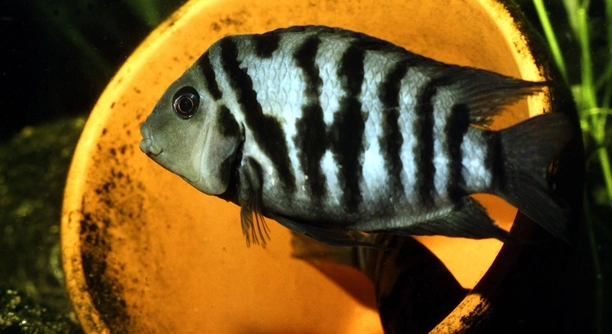
Many people enjoy keeping cichlids as pets and want their tanks to be comfortable for the fish. Knowing when a tank is too crowded helps keep the fish healthy and happy. Proper tank care starts with understanding fish space needs.
A crowded cichlid tank shows signs such as limited swimming space, increased aggression, poor water quality, and stunted growth. These indicators suggest the population exceeds the tank’s capacity, affecting fish welfare and overall ecosystem balance.
Recognizing these signs early can improve your tank’s environment and the well-being of your cichlids. The following guide explains common crowding indicators and practical solutions for better care.
Limited Swimming Space
When your cichlid tank feels cramped, it often means the fish don’t have enough room to swim freely. Cichlids need space to move comfortably and explore their environment. If you notice fish constantly bumping into decorations or each other, it’s a clear sign the tank is too full. This limited space can cause stress, which weakens their immune system and makes them more prone to illness. Overcrowding also reduces oxygen levels in the water, since more fish use up oxygen faster than it can be replenished. To keep your cichlids happy, ensure they have enough space relative to their size and number. Regularly check if your fish seem restless or confined, as these are early signals your tank needs adjusting. Adding fewer fish or upgrading to a larger tank can help provide the swimming space they require for healthy growth and activity.
Fish need room to swim freely, or they become stressed and unhealthy. Limited swimming space harms their well-being.
If swimming space is limited, fish often show signs like restlessness or hiding more than usual. Keeping an eye on their behavior can help you spot crowding before it affects their health. A larger tank or fewer fish improves movement and overall tank balance.
Increased Aggression
Aggression often rises when a tank is crowded. Cichlids are territorial, and when too many live in a small area, they compete for space, food, and hiding spots. This competition leads to constant fighting or chasing, which stresses the fish and can cause injuries or death. Overcrowded tanks rarely allow shy or smaller fish to escape aggression, which disrupts the social balance. Aggression also worsens water quality, as stressed fish produce more waste. If you notice frequent fights or visible wounds, it is likely your tank is too crowded. Reducing the number of fish or creating more hiding places can help reduce tension. Using tank dividers or rearranging decorations to establish clear territories may also calm aggressive behavior, ensuring a safer and more peaceful environment for all your cichlids.
Poor Water Quality
Poor water quality is a common result of overcrowding in cichlid tanks. Waste builds up quickly, making the water dirty and harmful for fish health.
When too many cichlids live in one tank, their waste overwhelms the filtration system. This leads to increased ammonia, nitrite, and nitrate levels, which are toxic to fish. Poor water quality can cause illnesses, slow growth, and even death. Regular water testing and frequent changes become essential to keep the water safe. Overcrowded tanks make these tasks harder because the waste accumulates faster than it can be removed. Monitoring water conditions closely helps catch problems early. Adjusting the number of fish or improving filtration can prevent dangerous water quality issues.
Maintaining good water quality is critical for cichlid health. An overcrowded tank risks pollution buildup that can quickly harm fish and disrupt their environment.
Stunted Growth
Stunted growth often happens when cichlids do not have enough space or resources in their tank. Overcrowding means competition for food and poor living conditions, which slow their development.
When cichlids live in cramped tanks, stress and limited nutrition prevent them from reaching their full size. Fighting and constant movement in tight spaces burn energy, leaving less for growth. Poor water quality also affects their ability to develop properly. Juvenile cichlids are especially vulnerable to these effects. They may remain small and weak, which reduces their lifespan and ability to reproduce. Ensuring enough room, food, and clean water helps promote healthy growth. Watching your fish regularly for size differences or lethargy can alert you to potential crowding issues early on.
Increased Waste Production
More fish in the tank means more waste. This can quickly overwhelm the filtration system, causing toxins to build up in the water.
Excess waste leads to poor water quality, which harms your cichlids’ health and can increase the need for frequent cleaning and water changes.
Visible Signs of Stress
Stressed cichlids often show behaviors like hiding, loss of appetite, or unusual swimming patterns. Crowded tanks increase stress levels by limiting space and causing competition.
These stress signs can lead to weakened immune systems and make fish more vulnerable to diseases. Keeping the tank properly stocked helps reduce stress and promotes healthier fish.
Frequent Disease Outbreaks
Crowded tanks create ideal conditions for diseases to spread quickly. Close contact and poor water quality increase infection risks among cichlids.
Maintaining proper tank population and hygiene helps prevent illnesses and keeps your fish thriving.
How can I tell if my cichlid tank is too crowded?
Signs like limited swimming space, increased aggression, poor water quality, and stunted fish growth often indicate crowding. You might notice fish constantly hiding or chasing each other, or that the water becomes dirty faster than usual. Observing your fish’s behavior and the tank’s condition regularly can help you spot overcrowding early.
What problems can overcrowding cause for cichlids?
Overcrowding stresses fish, leading to aggression and injuries. It also worsens water quality, which increases disease risks. Fish may grow slower or stop growing altogether. Stress weakens their immune systems, making them more prone to illness. Overall, crowded tanks create unhealthy conditions that reduce your cichlids’ lifespan and quality of life.
How many cichlids should I keep per gallon of water?
A general guideline is one inch of fish per gallon of water, but cichlids vary in size and behavior. Larger or more aggressive species need more space. Always research the specific needs of your cichlid species before deciding tank size and population. Giving them extra room helps reduce stress and aggression.
Can I add more fish if I have a large tank?
A larger tank provides more space, but you should still consider fish behavior and compatibility. Some cichlids are territorial and won’t tolerate close neighbors. Adding too many fish, even in a big tank, can lead to crowding and conflicts. It’s better to add fish slowly and observe how they interact.
What should I do if my tank is already overcrowded?
If your tank feels crowded, removing some fish is the best solution. You can rehome them or set up another tank. Improving filtration and increasing water changes also helps with water quality. Adding more hiding spots reduces stress and aggression, but space remains the most important factor.
How often should I clean my cichlid tank to prevent overcrowding issues?
Frequent water changes—about 20 to 30 percent weekly—are recommended, especially in crowded tanks. Clean the filter regularly to keep it working well. Remove uneaten food and waste to prevent toxins from building up. Keeping the tank clean reduces stress and disease risks.
Are there any signs that fish are not getting enough food due to overcrowding?
Yes. Fish that are crowded may compete aggressively for food, causing some to become thin or weak. You might see smaller or less aggressive fish struggling to eat. Feeding smaller amounts more frequently can help ensure all fish get enough nutrition.
Can overcrowding cause cichlids to become more aggressive than usual?
Yes, overcrowding increases territorial disputes. Limited space forces fish to compete for territory, food, and hiding places. This competition often results in frequent chasing, biting, and stress. Managing population size and providing enough territory helps reduce aggression.
Is it possible to keep different cichlid species together in one tank without overcrowding?
Yes, but careful planning is required. Some species coexist well if the tank is large enough and has plenty of hiding spaces. However, incompatible species may fight or stress each other out. Research species compatibility and tank requirements before mixing fish.
How does poor water quality affect overcrowded cichlid tanks?
Poor water quality causes stress, illness, and death in fish. In overcrowded tanks, waste accumulates faster than filtration can handle, raising harmful chemicals like ammonia and nitrites. This deteriorates fish health quickly. Regular water testing and cleaning are essential to maintain safe water conditions.
Can overcrowding affect the breeding behavior of cichlids?
Yes. Stress from overcrowding can reduce breeding activity or cause parents to abandon eggs. Aggressive interactions may also harm fry (baby fish). Providing enough space and quiet hiding places encourages natural breeding behavior and increases fry survival.
What are some ways to reduce stress in a crowded cichlid tank?
Adding plants, rocks, and decorations can create hiding spots and break up lines of sight. This helps fish feel secure and lowers aggression. Maintaining good water quality and proper feeding routines also reduces stress. Ultimately, reducing the number of fish is the most effective way to improve their comfort.
How do I know if my filtration system is adequate for my cichlid tank?
A good filtration system should keep the water clear and odor-free. It must handle the bioload of your fish, meaning it can process their waste efficiently. If water tests show high ammonia or nitrite levels, your filter might be too small. Upgrading filtration or adding more filters helps maintain water quality.
Are there any health issues that specifically arise from overcrowded tanks?
Common health problems include fin rot, fungal infections, and parasite outbreaks. These occur because stressed fish have weakened immune systems. Close contact spreads diseases quickly. Overcrowding also increases injury risk from fights. Preventing crowding is key to avoiding these health problems.
Can adding more plants help with overcrowding?
Plants improve water quality by absorbing nitrates and providing oxygen. They offer hiding places, which reduce stress and aggression. While plants help, they do not replace the need for enough swimming space. Combining plants with proper stocking levels creates a healthier tank environment.
How important is regular monitoring of fish behavior in detecting overcrowding?
Very important. Changes in activity, eating habits, or social behavior often signal crowding issues. Early detection lets you make adjustments before health declines. Spending time watching your fish daily helps maintain their well-being and prevents problems caused by overcrowding.
Knowing when your cichlid tank is too crowded is important for keeping your fish healthy and happy. Overcrowding can cause many problems, from stress and aggression to poor water quality and stunted growth. Paying attention to your fish’s behavior and the condition of the tank will help you spot these issues early. When you notice signs like limited swimming space or increased fighting, it is a clear signal that the tank needs adjustment. Taking action early can prevent many health problems and make your tank a better place for your cichlids.
Maintaining the right balance in your tank takes some effort but is worth it. This means keeping the number of fish appropriate for the tank size and species. It also includes regular cleaning, water testing, and proper feeding. Giving your cichlids enough space helps reduce stress and aggression, making them more active and healthier. Adding hiding places and decorations can also make the environment less stressful for your fish. Even with good care, if the tank is too crowded, problems will continue to appear, so space is one of the most important things to consider.
If you find your tank is crowded, don’t be discouraged. You can fix this by removing some fish or upgrading to a larger tank. Improving filtration and cleaning often helps manage water quality while you work on reducing the population. Watching your fish closely and learning about their needs will guide you in creating the best home for them. Remember, a healthy tank means happy fish, and happy fish are more likely to thrive and show their natural colors and behaviors. Keeping your cichlid tank balanced takes patience, but it is very rewarding in the long run.

Hello,
If you enjoy the content that we create, please consider saying a "Thank You!" by leaving a tip.
Every little bit helps us continue crafting quality advice that supports the health, happiness, and well-being of pets around the world, for pets of all shapes, sizes, and species.
We really appreciate the kindness and support that you show us!