
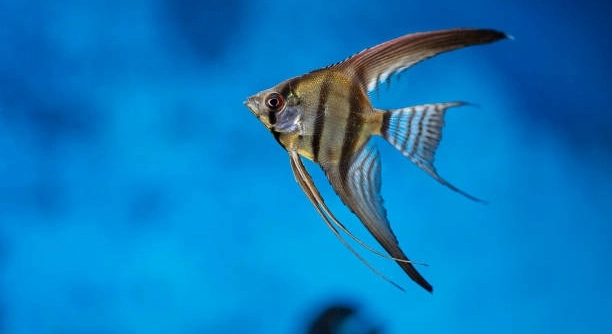
Keeping angelfish in a well-maintained tank is a rewarding experience. However, too many fish in a tank can lead to overcrowding, which affects the health of both your fish and your tank’s ecosystem.
Overcrowding in an angelfish tank is caused by having too many fish in a small space. It leads to increased waste, poor water quality, and stress among the fish, which can result in health issues or even death.
Recognizing the signs of overcrowding early is key to maintaining a healthy environment. The following tips will help you ensure your angelfish thrive in their aquatic home.
Too Many Fish for the Tank Size
When it comes to angelfish, tank size is crucial. If your tank is too small for the number of fish you have, they will have limited space to swim and thrive. This can lead to stress, aggression, and even illness. Angelfish need a minimum of 20 gallons for a pair, and more space is needed as you add more fish. Overcrowding may also prevent proper filtration, resulting in dirty water that further harms the fish.
A smaller tank leads to poor water quality and increased stress among angelfish. Make sure your tank is spacious enough for all your fish to move comfortably. This prevents competition and ensures a healthier environment.
Keeping angelfish healthy requires careful attention to tank size. Too many fish in a small tank can create an uncomfortable environment for them, making them more vulnerable to diseases. By following the right stocking guidelines, you can maintain a balance that benefits both your fish and the overall health of the aquarium. Knowing the appropriate number of fish per gallon based on their size and activity level is key. If you’re unsure, always opt for fewer fish to avoid overcrowding.
Aggressive Behavior and Stress
Angelfish are peaceful by nature, but overcrowding can lead to territorial disputes. When too many fish are in the tank, they may fight for space, food, and hiding spots. This aggression can cause stress and physical damage, such as torn fins or body wounds. Overcrowded tanks can also cause fish to become anxious, making it difficult for them to feel safe.
In extreme cases, the stress from overcrowding can lead to the fish becoming sick or even dying. Fish that feel threatened by overcrowding may become less active and more susceptible to diseases. To prevent this, it’s essential to monitor the behavior of your angelfish closely and ensure there are enough spaces for each fish to claim and defend. Stress and aggression are avoidable with the right balance in the tank.
Poor Water Quality
Overcrowded tanks quickly lead to poor water quality. More fish means more waste, which can overwhelm your filter. This results in higher levels of ammonia, nitrites, and nitrates, all harmful to your angelfish. Regular water changes become even more necessary in an overcrowded tank to prevent these toxins from building up.
Fish in dirty water are at risk for illness, as toxins weaken their immune system. The stress from poor water quality can make angelfish more susceptible to diseases such as ich or fin rot. Keeping the tank clean and well-maintained is essential to maintaining a healthy environment. If your filtration system isn’t up to the task, you may need to upgrade it to keep up with the waste produced by your fish.
The key to ensuring good water quality is staying on top of maintenance. Overcrowding makes this process harder, so make sure your filtration system is appropriate for the number of fish in your tank. Invest in an efficient filter and test the water regularly.
Limited Swimming Space
Angelfish need plenty of room to swim. If your tank is overcrowded, they may struggle to move freely. Limited space can cause stress and make your fish more vulnerable to disease. Angelfish are known for their graceful movements, and without the space to exhibit these natural behaviors, their health may suffer.
If the tank is too crowded, your fish won’t be able to establish territories. This can increase aggression and cause them to become anxious. Each angelfish should have enough space to spread their fins and swim without bumping into others. You can avoid these problems by making sure your tank is big enough for your fish to move around comfortably. Consider your fish’s size as they grow, and plan accordingly.
If you’re unsure how much space your angelfish need, always remember that larger tanks offer better stability and a healthier environment. Keeping the tank spacious enough for each fish will help ensure they stay active and healthy for longer.
Increased Fish Mortality
Overcrowding can lead to increased mortality rates among angelfish. As more fish compete for food and space, some may become weak and sick. Stress and disease spread quickly in crowded tanks, causing an overall decline in the health of your fish.
Fish that are stressed or sick from overcrowding may become more vulnerable to infections. Their immune systems become weaker, and even minor issues can escalate into serious health problems. In the worst-case scenario, overcrowding can lead to the death of your angelfish. Regularly monitoring their condition can help prevent this.
Poor Growth and Development
Angelfish need space and clean water to grow properly. Overcrowding can stunt their growth and delay development. When fish are too cramped, they cannot grow to their full potential, and they may remain smaller or weaker than healthy, well-maintained fish.
A lack of space and resources leads to slow or poor growth. Overcrowded tanks can also cause nutritional imbalances, as fish may struggle to get enough food. To ensure your angelfish grow to their full size, be mindful of the tank’s capacity and avoid overstocking.
FAQ
How many angelfish can I keep in a 20-gallon tank?
A 20-gallon tank can comfortably house a pair of angelfish. If you’re considering adding more, it’s best to add one additional angelfish for every 10 gallons. However, be mindful that more fish means higher chances of overcrowding, so always ensure there is enough space for each fish to swim freely. Overcrowding can lead to health issues, so the less is usually better when it comes to stocking a tank.
What are the signs of overcrowding in an angelfish tank?
Signs of overcrowding include visible stress in your fish, like rapid gill movement, constant hiding, or aggression. You might also notice dirty water, despite regular cleaning, due to increased waste production. Poor water quality, visible signs of illness, and stunted fish growth can all indicate that your tank is overcrowded. Regularly observing your fish and maintaining a proper filtration system will help you spot these issues early.
Can overcrowding cause diseases in angelfish?
Yes, overcrowding can lead to the spread of diseases. When fish are packed into a small space, their immune systems weaken due to stress. This makes them more susceptible to infections like ich, fin rot, or swim bladder disease. Additionally, poor water quality, which often accompanies overcrowded tanks, provides an ideal environment for harmful bacteria and parasites to thrive. Preventing overcrowding helps keep your fish healthier and more resistant to disease.
How often should I clean my angelfish tank if it’s overcrowded?
If your tank is overcrowded, you should clean it more frequently. A general rule of thumb is to perform a 25-30% water change every week. Overcrowding increases waste production, so regular water changes will help prevent the buildup of toxins like ammonia and nitrates. Additionally, check the filter often to make sure it’s functioning properly and not clogged with waste. If you’re dealing with a particularly overcrowded tank, consider upgrading to a stronger filter to handle the increased load.
Is it better to have fewer angelfish in a tank?
Yes, it’s generally better to have fewer angelfish in a tank. Angelfish are territorial and need space to thrive. A less crowded tank allows your fish to establish territories, reducing stress and preventing aggression. It also ensures better water quality, as fewer fish produce less waste. By keeping fewer fish, you create a healthier environment for your angelfish, promoting growth, reducing disease risk, and improving overall well-being.
How can I prevent overcrowding in my angelfish tank?
The best way to prevent overcrowding is by planning ahead. Research the ideal tank size for the number of fish you wish to keep and avoid overstocking. Measure the space your angelfish need as they grow and ensure there is adequate room for them to swim. If you want to add more fish, consider upgrading your tank size rather than adding more fish to a smaller one. Keep track of fish growth and ensure the tank remains suitable as they mature.
Can I add other species of fish with angelfish in a crowded tank?
Adding other species to an overcrowded tank is not recommended. Overcrowding causes stress in angelfish, and adding more fish will only worsen the problem. Additionally, different species have different needs when it comes to space, water conditions, and social behaviors. If you want to introduce other fish, make sure there is enough space in the tank to support them and ensure the species are compatible with your angelfish.
What happens if I ignore signs of overcrowding in my angelfish tank?
Ignoring signs of overcrowding can lead to serious health problems for your fish. The water quality will deteriorate, causing toxins to build up, which can stress and weaken your fish. Overcrowding can lead to fights, illness, poor growth, and even death. If left unchecked, these issues will worsen, potentially resulting in the loss of multiple fish. Preventing overcrowding is essential for keeping your angelfish healthy and happy.
Do I need to increase my filtration system if I have more fish?
Yes, you’ll need a more powerful filtration system if your tank has more fish. A larger number of fish produces more waste, which can overwhelm a standard filter. A stronger filter will help maintain water quality by efficiently removing debris, ammonia, and nitrates from the water. Ensure that the filter you choose is rated for the size of your tank and the number of fish you plan to keep. Proper filtration is key to keeping your angelfish healthy in a well-maintained tank.
Is a larger tank always better for angelfish?
A larger tank is almost always better for angelfish. They are naturally larger fish that need space to swim freely. A larger tank provides more room for your fish to grow and develop properly, and it reduces stress. It also helps maintain better water quality, as there is more volume to dilute toxins and waste. A spacious tank offers stability and allows you to maintain a healthier environment for your angelfish, preventing issues related to overcrowding.
Final Thoughts
Overcrowding in an angelfish tank is a common issue that many aquarium owners face, but it is important to recognize the risks associated with it. Angelfish need enough space to thrive and grow, and a cramped tank can lead to stress, aggression, and poor water quality. This, in turn, can cause health problems for your fish and even reduce their lifespan. By understanding the signs of overcrowding and knowing how to prevent it, you can ensure a better environment for your angelfish.
Maintaining a healthy tank requires balance. Having too many fish in a small space increases the chances of water becoming polluted, which can quickly turn into a serious problem. Angelfish produce waste, and with more fish, that waste accumulates faster than a filter can keep up. Regular water changes, upgraded filtration, and careful planning on how many fish your tank can comfortably support will help keep things in check. By staying aware of the size of your tank, the number of fish, and their needs, you will be able to manage overcrowding and provide a healthier, more stable habitat.
Ultimately, your angelfish will thrive best in a tank where they have enough room to swim, feed, and establish territories. Overcrowding not only affects their health but can also disrupt the overall ecosystem of the aquarium. It’s important to remember that fewer fish in a well-maintained tank will often be healthier than a crowded tank filled with more fish than it can handle. Planning ahead, investing in proper tank equipment, and regularly monitoring your fish’s condition are all key steps in maintaining a happy and healthy aquarium.

Hello,
If you enjoy the content that we create, please consider saying a "Thank You!" by leaving a tip.
Every little bit helps us continue crafting quality advice that supports the health, happiness, and well-being of pets around the world, for pets of all shapes, sizes, and species.
We really appreciate the kindness and support that you show us!