
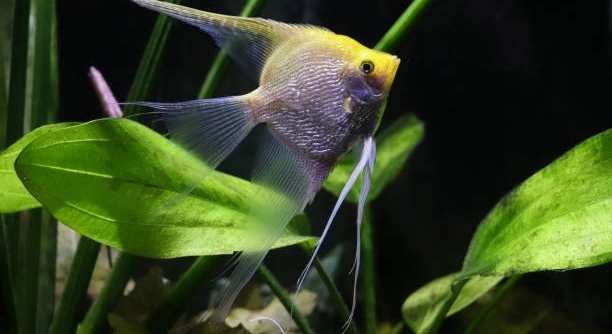
Angelfish are a popular choice for aquarium enthusiasts, but keeping them healthy is key to their well-being. One concern many fish owners face is determining if their angelfish is underweight. Ensuring their proper care is essential.
A healthy angelfish should maintain a balanced weight, which can be assessed by observing its body shape and behavior. Common signs of underweight include noticeable thinness, lack of energy, and poor coloration. These factors often indicate nutritional deficiencies.
Recognizing the signs of an underweight angelfish is crucial. Understanding these aspects will help you maintain their health and ensure they thrive in your aquarium.
Recognizing the Signs of an Underweight Angelfish
When it comes to angelfish, their body shape and size are key indicators of their health. An underweight angelfish often appears thin, with visible ribs or a sunken belly. You may notice the fish swimming sluggishly or having less energy compared to others in the tank. The color of the fish may also appear faded, as the lack of proper nutrition can affect its pigmentation. If your angelfish isn’t growing at a normal rate or seems to be losing weight despite regular feeding, it’s important to address the issue immediately.
Proper care begins with monitoring your angelfish’s behavior and condition regularly. Ensure the water quality is optimal and check if the fish is feeding well. Poor eating habits can lead to malnutrition, which directly impacts the fish’s weight.
In addition to physical signs, keep an eye on how your angelfish behaves when it comes to food. If it consistently avoids food or struggles to eat, it might be a sign that something isn’t right with its health. With early detection, you can help your angelfish recover and regain its healthy weight.
The Importance of a Balanced Diet
A well-balanced diet is crucial for maintaining your angelfish’s weight. Without the right nutrients, your fish is at risk of becoming underweight.
Providing high-quality fish food, such as flakes or pellets that are rich in protein, vitamins, and minerals, is essential. A varied diet, including occasional live or frozen food, can ensure your fish receives all the necessary nutrients.
Water Quality and Temperature
Water quality plays a significant role in your angelfish’s health and weight. Poor water conditions can cause stress and reduce appetite. Keeping the water clean and maintaining proper filtration is essential. Regular water changes are also important to prevent the buildup of harmful toxins.
Maintaining the right water temperature is just as crucial. Angelfish thrive in temperatures between 76°F and 82°F (24°C to 28°C). If the water is too cold or too warm, the fish may experience stress, which can impact their eating habits and overall weight. A heater can help regulate the water temperature.
Regularly testing the water for ammonia, nitrites, and nitrates is also important. These chemicals can harm your fish if left unchecked, leading to poor health and potentially causing weight loss. Monitoring your tank’s water parameters ensures that your angelfish can thrive in a safe environment.
The Role of Stress in Weight Loss
Stress can cause significant health issues for angelfish, including weight loss. Environmental factors, tank mates, or sudden changes in the aquarium can stress your fish. It’s important to minimize any conditions that may cause your angelfish to feel threatened.
Stress often manifests in reduced activity and eating. If the angelfish is constantly hiding or staying near the bottom of the tank, it may be due to stress. Avoid overcrowding the tank, as this can create competition for resources and lead to a stressed environment. Proper tank size, appropriate tank mates, and hiding spots can help reduce stress levels in your fish.
Overfeeding or Underfeeding
Feeding your angelfish the right amount is critical. Overfeeding can lead to poor water quality and excessive waste, while underfeeding may result in weight loss. It’s important to feed your angelfish a balanced amount without overloading the tank.
Providing the right portion ensures your angelfish gets enough nutrients. Stick to feeding them once or twice a day, only offering what they can consume in a few minutes. Overfeeding can lead to obesity or poor water conditions, so be cautious of how much you provide.
Monitoring the Fish’s Behavior
Keeping track of how your angelfish behaves while eating and swimming is essential for identifying any health issues. If the fish seems lethargic or uninterested in food, it could signal an underlying problem. Pay attention to changes in their habits.
Changes in behavior, such as hiding, swimming near the surface, or avoiding tank mates, should also be noted. These could indicate stress, illness, or malnutrition, all of which contribute to weight loss or failure to thrive. Act quickly if these signs appear.
FAQ
How can I tell if my angelfish is underweight?
Look for signs like a sunken belly or visible ribs. If your angelfish is swimming sluggishly, lacks energy, or has faded coloration, these could indicate that it’s underweight. A healthy angelfish should have a full, rounded shape with vibrant colors. If you notice these symptoms, it’s important to adjust its diet and care routine.
What is the best way to feed an angelfish?
Angelfish should be fed a balanced diet that includes high-quality flakes, pellets, and occasional live or frozen foods. Offer small amounts that the fish can consume within a few minutes, feeding once or twice a day. It’s important to avoid overfeeding to prevent water quality issues. Make sure the food you provide is appropriate for angelfish and high in protein to support healthy growth.
How do water conditions affect the health of angelfish?
Water quality is crucial to the health of your angelfish. Poor water conditions can stress them out, leading to reduced appetite and weight loss. Regular water changes, proper filtration, and maintaining the right temperature (76°F to 82°F or 24°C to 28°C) are essential. Unchecked ammonia, nitrites, or nitrates can also harm the fish, so always test the water regularly to ensure it’s safe.
Can stress cause my angelfish to lose weight?
Yes, stress can cause angelfish to lose weight. Stress factors include overcrowding, aggressive tank mates, or drastic changes in the environment. Stress can lead to a lack of appetite and reduced activity, both of which contribute to weight loss. Minimize stress by providing a comfortable tank environment with enough space, proper tank mates, and hiding spots for the fish.
How often should I change the water in my angelfish tank?
Water changes should be done regularly, at least 25% of the tank’s volume every 1-2 weeks. In tanks with high fish populations or excess waste, more frequent changes may be necessary. This helps maintain good water quality, ensuring that ammonia and nitrates don’t build up, which can affect your angelfish’s health.
Can I feed my angelfish only flakes?
Flakes can be a part of your angelfish’s diet, but they should not be the only food. A variety of foods, such as pellets, live or frozen foods, and occasional vegetables, provide the necessary nutrients for overall health. This variety helps ensure your fish gets a balanced diet and prevents malnutrition.
Why does my angelfish seem uninterested in food?
If your angelfish is uninterested in food, it could be due to stress, illness, or poor water conditions. Check the water parameters and ensure the tank environment is suitable. If the fish continues to refuse food, consider consulting with a veterinarian or an aquarium specialist to rule out any health issues.
Is my angelfish underweight if it’s not growing?
Not growing at a normal rate can be a sign of underweight. Angelfish need a proper diet, water quality, and temperature to grow healthily. If your angelfish is not growing as expected, check if it’s eating enough or if there are environmental stressors. A slow growth rate can indicate nutritional deficiencies or poor care.
What tank size is ideal for angelfish?
Angelfish need a tank that is at least 20 gallons for one fish, with an additional 10 gallons per additional fish. This space allows them to swim freely and reduces stress. Inadequate tank size can lead to overcrowding, which results in stress and can contribute to weight loss and other health issues.
Can I keep multiple angelfish together?
Yes, angelfish can be kept together, but you should ensure they have enough space. Keeping them in a properly sized tank with plenty of hiding spots reduces territorial aggression and stress. Be cautious, as male angelfish can become territorial, especially when breeding. Monitoring their behavior is important for ensuring their well-being.
What can I do if my angelfish is losing weight?
If your angelfish is losing weight, start by evaluating its diet, water quality, and stress factors. Increase feeding, ensure the fish is getting enough nutrients, and remove any stressors in the tank. If weight loss persists, consult with an aquarium professional to check for any underlying health issues.
Final Thoughts
Maintaining a healthy weight for your angelfish requires attention to several factors, including diet, water quality, and stress levels. Providing a balanced diet with the right nutrients is crucial for keeping your fish at a healthy weight. You should ensure that the food is high in protein and that portions are appropriate for the size of the fish. Overfeeding or underfeeding can both lead to problems, so monitoring how much your fish is eating is important. By offering a variety of foods and avoiding excessive portions, you can help prevent malnutrition or obesity.
Water quality is another key aspect of angelfish care. Poor water conditions can lead to stress, which may affect the fish’s appetite and weight. Regular water changes and testing the water for ammonia, nitrites, and nitrates will help maintain a safe environment. The right water temperature is also vital. Angelfish thrive in warmer water, between 76°F and 82°F (24°C to 28°C). Keeping the tank clean and ensuring that the fish is not exposed to fluctuating conditions will support their overall health, including maintaining a healthy weight.
Stress can have a significant impact on your angelfish’s well-being. It can cause a loss of appetite, reduced activity, and ultimately weight loss. Keeping the tank free of aggressive tank mates, providing adequate space, and ensuring a stable environment will minimize stress. By observing your angelfish regularly and addressing any signs of discomfort or illness promptly, you can ensure that your fish remains healthy and at a proper weight. Regularly checking the behavior of your angelfish, along with its physical condition, is essential to identifying potential issues early.

Hello,
If you enjoy the content that we create, please consider saying a "Thank You!" by leaving a tip.
Every little bit helps us continue crafting quality advice that supports the health, happiness, and well-being of pets around the world, for pets of all shapes, sizes, and species.
We really appreciate the kindness and support that you show us!