
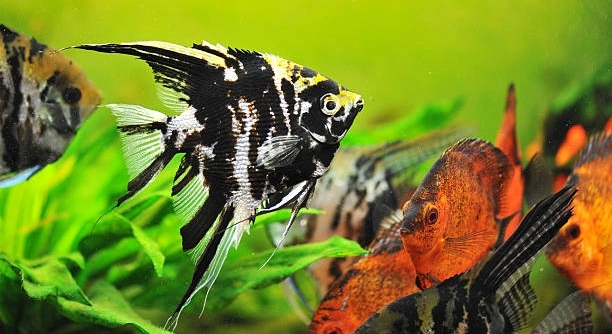
Is your angelfish looking bloated or acting differently after meals? You might be giving it more food than it needs each day.
Overfeeding angelfish can lead to digestive problems, water quality issues, and long-term health complications. Identifying early signs such as bloating, sluggish behavior, and uneaten food can help prevent serious consequences and maintain overall tank health.
Learning how to spot these signs will help you care for your angelfish more effectively and support a healthier, cleaner aquarium environment.
Uneaten Food Floating in the Tank
One of the first signs that your angelfish might be overfed is leftover food floating in the water. When fish are given more than they can consume within two to three minutes, the excess begins to settle and decay. This not only affects water clarity but can also cause spikes in ammonia, leading to stress or illness. Regularly observing how quickly your angelfish finishes its food is a simple way to check feeding amounts. If food remains uneaten, reduce the portion size slightly. Using high-quality food that sinks slowly can also help prevent waste. Feeding once or twice a day, in small amounts, is typically enough. Over time, you’ll notice your fish becoming more responsive during feeding and less bloated overall. A cleaner tank and healthier fish are easy to maintain when you feed just the right amount without leaving leftovers behind.
Keep an eye on the water surface after meals to spot this issue quickly.
If you notice food still floating around five minutes after feeding, it’s time to make adjustments. Start by offering smaller portions and removing any leftover food right away. You’ll likely see improvements in both water quality and fish activity.
Bloated or Swollen Appearance
A swollen or rounded belly is another clear sign of overfeeding. Healthy angelfish should have a streamlined shape with a slightly rounded abdomen, especially after eating. However, when the belly appears too full or the fish looks uncomfortable, this may point to excessive food intake. Over time, this can affect digestion and even cause constipation. If bloating becomes regular, it can increase the risk of swim bladder issues or infection. Take note if your fish seems to float awkwardly or stops swimming smoothly. It’s best to withhold food for a day to allow the digestive system to reset. After that, feed smaller portions and try including a pea (with the shell removed) once a week to aid digestion. Angelfish can go a couple of days without food without harm, so giving their system a break can be helpful when bloating is noticed. Proper portion control is essential to avoid long-term problems.
Slow or Sluggish Behavior
Overfed angelfish often become less active, spending more time resting near the bottom of the tank or hiding. This change in energy levels can be linked to digestive discomfort, bloating, or poor water quality caused by excess waste.
When angelfish receive too much food, their metabolism slows, making it harder for them to move comfortably. This sluggishness is often more noticeable after feeding. In some cases, they may appear uninterested in their surroundings or even ignore tank mates. Skipping a feeding day can help ease this discomfort. It gives their digestive system time to process what’s already been consumed. Make sure the tank water is clean and at the right temperature, as overfeeding can also impact those conditions. Observing your angelfish after meals is a good way to tell if the food is affecting their behavior. A healthy angelfish should swim steadily and respond actively to movement.
Sometimes, less movement also means poor digestion. Overfeeding often leads to constipation, which causes discomfort and inactivity. You might notice your fish staying in one spot, not responding to your presence, or hovering low in the tank. All of these can point to needing fewer or smaller meals moving forward. Feeding once a day is often enough.
Cloudy Water and Algae Growth
Excess food left to decay in the tank creates more waste, which clouds the water. This organic matter breaks down and releases nutrients that encourage unwanted algae growth. Cloudy water makes the tank look dirty and can stress your fish.
When uneaten food settles into the substrate, it increases the nutrient load, encouraging algae blooms and bacterial growth. You may notice green patches forming on the glass or decorations soon after feeding. Regular water changes and careful feeding can help control this. Reduce the amount of food and avoid feeding more than your angelfish can consume in two minutes. A good filtration system is also key to removing extra particles and keeping the water clean. Cloudy water is often a sign of overfeeding, not just poor maintenance. Cleaning the tank without changing feeding habits won’t solve the issue. Adjusting your feeding routine is the best way to keep the water clear and healthy.
Reduced Appetite Over Time
If your angelfish stops showing interest in food, it could be a sign it’s been overfed for too long. Constant feeding can reduce natural hunger signals, leading to ignored meals and even leftover food in the tank.
This lack of appetite may also indicate digestive stress. Angelfish that eat too often may begin skipping meals on their own, especially if their stomach hasn’t had time to empty fully. Cutting back on feeding days can help restore balance and renew interest in food.
Irregular Waste or Constipation
Constipation is a common result of overfeeding. You might see long, stringy waste or notice your angelfish struggling to pass anything at all. These signs point to an overloaded digestive system. Offering a shelled, cooked pea once a week can help clear blockages. Also, spacing out feeding times gives the fish time to process its food. Poor water conditions from leftover waste can make the issue worse, so regular tank maintenance is important. Avoid fatty or filler-heavy foods, which can worsen constipation. Stick to high-quality flakes or pellets and offer live or frozen treats only occasionally to reduce digestive strain.
Frequent Surface Gasping
Gasping at the water surface may be due to poor oxygen levels caused by decaying food and waste buildup. This behavior often appears in tanks with overfeeding and minimal cleaning, signaling the need for better feeding control and water care.
FAQ
How often should I feed my angelfish?
Feeding adult angelfish once a day is usually enough. Young angelfish may need to eat twice a day because they are still growing. Always offer only what they can eat within two to three minutes. Overfeeding leads to water quality issues and digestion problems, so it’s best to be consistent and controlled. You can also skip one feeding day each week to let their digestive system rest. This simple habit helps prevent constipation and keeps the tank cleaner over time.
What does overfeeding do to my angelfish’s health?
Overfeeding puts extra stress on their digestive system and internal organs. It can lead to bloating, constipation, swim bladder problems, and a lack of appetite. These symptoms reduce activity and cause discomfort. In serious cases, leftover food can also foul the water, weakening the fish’s immune system and making it more prone to infections. A consistent feeding schedule and portion control are both essential for maintaining good health and natural behavior in angelfish.
Why is my angelfish ignoring food all of a sudden?
A sudden loss of appetite might be a sign of overfeeding. If the fish was eating well before, digestive stress may be the issue. It could also be reacting to poor water conditions caused by uneaten food. Check your water parameters and cut back on feeding. Wait a day or two, then try a small portion of high-quality food. Avoid offering fatty or low-nutrient options, which can worsen the situation. Give the fish time to recover before returning to regular feeding.
Can overfeeding change angelfish behavior?
Yes, it often does. Angelfish that are overfed may seem sluggish, uninterested in swimming, or avoid food altogether. They might hide more often or rest at the bottom of the tank. These behaviors can be linked to bloating or discomfort. In some cases, overfeeding affects how they interact with other fish, making them less active or more irritable. Reducing food amounts usually helps them return to normal behavior within a few days. Watching for changes after meals is a good way to notice patterns early.
What should I do if there’s leftover food in the tank?
Remove any uneaten food with a net or siphon within a few minutes of feeding. Leftover food breaks down and releases waste into the water, which can harm your angelfish over time. If this happens often, reduce the portion size or feed less frequently. It’s better to feed a little less than too much. You can always add a small amount later if your fish still seems hungry. Keep an eye on how much is being consumed and adjust accordingly.
Can overfeeding affect water quality?
Yes, overfeeding is one of the main causes of poor water quality in home aquariums. Excess food breaks down into ammonia and nitrites, both of which are toxic to fish. Cloudy water, algae growth, and bad smells are all signs that too much food is entering the tank. This puts stress on your angelfish and can lead to illness if not addressed. Regular water changes help, but the best solution is to prevent the issue through careful feeding practices.
What are signs of constipation in angelfish?
Constipated angelfish may show swelling in the belly, stringy waste, or an inability to pass stool. They might stop eating or float awkwardly in the tank. One remedy is to feed a small piece of a cooked, shelled pea. This helps clear the digestive tract. Avoid feeding again until the fish returns to normal. Constipation is usually caused by feeding too often or offering poor-quality food. A balanced diet and feeding breaks can help prevent the issue from happening again.
How can I prevent overfeeding in a community tank?
Feeding in a community tank can be tricky, especially when multiple fish eat at different speeds. To avoid overfeeding, feed small amounts and watch closely. Use sinking or floating foods depending on where your fish eat. Remove leftovers quickly and spread food across different areas of the tank so all fish get a fair chance. Observe your angelfish during feeding to make sure it’s not eating too much or too little. Careful feeding in shared tanks helps keep the whole environment healthy.
Is it okay to skip feedings?
Yes, skipping a feeding once a week is healthy for angelfish. It allows their system to clear out and mimics natural feeding rhythms. Fish in the wild don’t eat every day. Skipping meals reduces the risk of constipation, improves water quality, and gives you a chance to observe their behavior without food as a distraction. Just make sure to provide balanced meals on regular feeding days. This approach supports long-term health and helps avoid common issues linked to overfeeding.
Final Thoughts
Keeping angelfish healthy and active means paying close attention to how much and how often they eat. Overfeeding may seem harmless at first, but it can lead to many problems, both for the fish and the tank environment. When food is not eaten right away, it begins to break down, releasing harmful substances into the water. This affects not only your angelfish but also any other tank mates you may have. A cleaner tank starts with better feeding habits, and this small change can make a big difference in how your angelfish behave and feel each day.
Watching for signs of overfeeding is a good way to stay ahead of any issues. Swollen bellies, strange swimming patterns, or a lack of interest in food should not be ignored. These behaviors can be early signs that something is wrong. If you notice leftover food after meals, it’s best to feed less next time. Feeding smaller portions more slowly can help your angelfish eat at a healthier pace. You can also take a break from feeding one day each week to give their digestive system time to reset. These small steps keep your angelfish healthier and your tank easier to manage.
In the end, feeding your angelfish properly is about balance and observation. Stick to a simple routine, offer high-quality food, and remove leftovers quickly. There is no perfect feeding amount that works for every tank, so it helps to learn what works best by watching your fish closely. When your angelfish eat with energy, swim actively, and have clean water, you’re doing it right. Good feeding habits don’t just protect your angelfish from health issues—they also make the tank a safer and more peaceful place. Over time, these habits become second nature, making fishkeeping easier and more rewarding.

Hello,
If you enjoy the content that we create, please consider saying a "Thank You!" by leaving a tip.
Every little bit helps us continue crafting quality advice that supports the health, happiness, and well-being of pets around the world, for pets of all shapes, sizes, and species.
We really appreciate the kindness and support that you show us!