
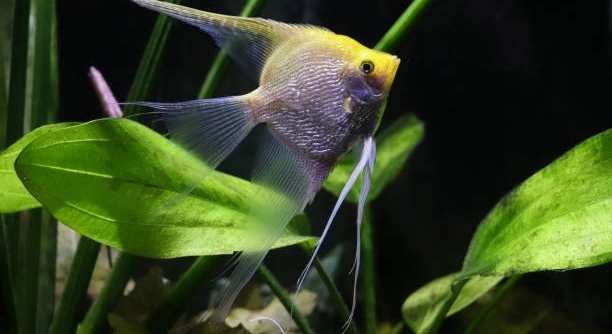
Angelfish are beautiful and popular aquarium fish, but ensuring they receive proper nutrition is crucial to their health and well-being. Recognizing signs of malnutrition in angelfish can help prevent serious health issues.
To determine if your angelfish is getting enough nutrition, monitor their behavior, appearance, and growth. A well-fed angelfish should display vibrant colors, healthy fins, and active swimming. Regular feeding of varied, high-quality food is essential for their health.
Providing the right nutrition is vital for your angelfish to thrive in your aquarium. By paying attention to specific indicators, you can ensure they stay happy and healthy in their environment.
Signs of an Underfed Angelfish
Angelfish are known for their graceful movement and vibrant colors, but if they’re not getting enough food, these traits can quickly fade. One of the first signs of underfeeding is weight loss. Angelfish should have a slightly rounded body, not appear thin or bony. Their fins might also look droopy, and they may swim lethargically or hide more than usual. A reduction in activity often indicates that they’re not getting enough energy from their diet.
If an angelfish is underfed, you might also notice that its colors begin to dull. Proper nutrition is essential for the pigments that keep their scales bright and colorful. An undernourished fish will appear pale, lacking the beautiful vibrancy that angelfish are known for.
Regularly inspecting your fish is a simple way to catch early signs of malnutrition. Once you notice any of these symptoms, it’s important to act quickly. Proper nutrition can reverse these changes if addressed early enough.
The Importance of a Balanced Diet
A balanced diet is critical to the health of your angelfish. Without the right mix of nutrients, they can become weak, vulnerable to disease, and more susceptible to stress. This can affect not only their appearance but their overall lifespan as well.
When feeding your angelfish, make sure to offer a variety of foods. A mix of flakes, pellets, and occasional live or frozen foods like bloodworms can provide a well-rounded diet. Be sure the food is appropriate for the size of your fish, as angelfish have delicate mouths that require food they can easily consume.
It’s essential to avoid overfeeding, as this can lead to water quality issues, but underfeeding is equally harmful. Find a feeding schedule that keeps your fish active and healthy, ensuring they get the nutrients they need. Regular monitoring of your angelfish will help you understand their feeding needs and adjust accordingly.
Watching for Weight Changes
Weight changes in your angelfish can be a clear sign of malnutrition. If your fish appears thinner than usual, it might not be getting enough food. A healthy angelfish should have a well-proportioned body, with no visible ribs or sharp edges.
When an angelfish isn’t eating enough, its body becomes noticeably thinner. This can lead to a weakened immune system, making it more susceptible to disease. If this occurs, it’s important to assess their feeding schedule and ensure they are getting the right nutrients. Feed them a variety of foods, such as high-quality pellets, flakes, and live foods to promote healthy weight.
Increased feeding frequency or different types of food may help restore their body condition. Keep an eye on their weight for consistent improvements, and make adjustments as needed. If the fish remains underweight despite changes, consider seeking advice from an aquarium expert.
Behavior and Activity Levels
Active behavior is a sign that your angelfish is getting enough nutrition. If they become sluggish or less responsive to movement in the aquarium, it might be time to evaluate their diet.
Angelfish need energy for swimming and exploring their surroundings. Without proper nutrition, they tend to become lethargic. A healthy angelfish should swim actively, even around the aquarium’s edges. You may also notice them chasing after food more eagerly. If your fish becomes listless and loses interest in swimming, it’s likely due to a lack of nutrients.
Be sure to feed your angelfish on a regular schedule and provide food that they can easily consume. Over time, increased activity should return if their diet is corrected. If not, other factors like water quality might need to be reviewed.
Dull Colors and Faded Appearance
Angelfish are known for their vivid colors, but when they’re underfed, their appearance can become dull. A lack of nutrients, especially those that help with pigmentation, can cause their scales to lose vibrancy.
If your angelfish starts to look pale or loses its bright colors, it’s a sign that it may not be getting the right diet. Certain foods, like those rich in carotenoids, can help restore their natural hue. A varied diet of quality food should improve their color over time.
If the fading persists, consider reviewing your fish’s feeding habits and ensuring they are getting enough of the right nutrients for health and color.
Feeding Schedule and Consistency
Consistency is key when it comes to feeding angelfish. A regular feeding schedule helps maintain their health and ensures they get enough nutrients.
Feed your angelfish two to three times a day in small portions. This allows them to digest the food properly and reduces the risk of water contamination. By sticking to a consistent schedule, you’ll be able to monitor if they’re eating enough and adjust accordingly. Keeping their environment stable is just as important for their overall well-being.
The Role of Water Quality
Poor water quality can affect an angelfish’s ability to digest food and absorb nutrients. It’s essential to maintain clean water with the right levels of pH, ammonia, and nitrate.
Water quality impacts more than just their overall health. If the water conditions are off, your angelfish may refuse food or eat less than usual. Test the water regularly and perform water changes as needed. Healthy water conditions help your fish absorb nutrients more efficiently, ensuring they get the energy they need to thrive.
FAQ
How often should I feed my angelfish?
Angelfish should be fed two to three times a day, offering small amounts of food each time. Overfeeding can lead to water quality issues, so it’s better to feed smaller portions more frequently. Make sure all the food is consumed within a few minutes to avoid waste in the tank.
What should I feed my angelfish to ensure they get enough nutrition?
Angelfish need a balanced diet that includes both flakes and pellets designed for tropical fish. Supplement their diet with occasional live or frozen foods like bloodworms, brine shrimp, and daphnia to provide variety and additional nutrients. Offering different types of food helps mimic their natural diet and supports their health.
Can underfeeding angelfish cause them to lose color?
Yes, underfeeding can cause angelfish to lose their vibrant colors. They need a diet rich in carotenoids and other pigments that help maintain their bright hues. Without enough of these nutrients, their colors can fade, and their overall appearance may become dull and unhealthy.
Is it okay to feed my angelfish just one type of food?
While it’s possible to feed your angelfish only one type of food, it’s not ideal. A varied diet is essential to ensure they receive all the necessary nutrients for optimal health. Offering a mix of high-quality pellets, flakes, and occasional live or frozen foods helps prevent nutritional deficiencies.
How can I tell if my angelfish is overfed?
Overfeeding can lead to several signs, such as bloating or swelling in your angelfish. They may become lethargic or exhibit digestive problems like floating near the surface or swimming strangely. Overfeeding also leads to poor water quality due to excess food breaking down, which can affect the overall health of the tank.
What is the best way to improve my angelfish’s color?
To improve your angelfish’s color, offer a diet that includes foods rich in carotenoids, such as spirulina or foods specifically designed to enhance pigmentation. Regularly providing high-quality food along with live or frozen food will help support both their color and overall health.
Should I be concerned if my angelfish refuses food?
If your angelfish refuses food for more than a few days, it can indicate several problems, such as poor water quality, stress, or illness. Check the water conditions and consider any recent changes in the tank environment that might have caused the fish to lose its appetite. If the refusal persists, consider consulting an aquarium expert.
How can I tell if my angelfish is getting enough protein?
Angelfish need a sufficient amount of protein in their diet, especially during their growth stages. You can ensure they get enough protein by feeding them high-quality protein-rich foods such as brine shrimp, bloodworms, and high-quality pellets. If your fish are growing and maintaining their health, it’s likely they’re receiving enough protein.
Can poor water quality affect my angelfish’s ability to digest food?
Yes, poor water quality can cause digestion problems for angelfish. If the water contains high levels of ammonia, nitrates, or is too warm or cold, it can stress the fish and affect their appetite. Always maintain clean water with the correct parameters to ensure your angelfish can properly digest their food and absorb nutrients.
What should I do if my angelfish looks underweight?
If your angelfish appears underweight, it’s important to check both the food quality and the feeding schedule. Increase the variety in their diet and make sure you’re feeding the right amounts. If weight loss continues despite proper feeding, consider testing the water quality or seeking advice from a specialist to rule out health issues.
Final Thoughts
Maintaining the health and well-being of your angelfish requires attention to their diet and environment. Ensuring that they are getting the right amount of food and the right nutrients is crucial for their overall health. A balanced diet, including high-quality flakes, pellets, and occasional live or frozen food, will help your angelfish thrive. Regular feeding, along with water quality checks, are key elements in supporting your fish’s growth, vibrant colors, and activity levels.
It’s also important to observe your angelfish closely. Changes in their behavior, appearance, or eating habits can be early indicators that something might be wrong. If you notice your fish becoming lethargic, losing weight, or dulling in color, these can be signs of malnutrition or poor water quality. Addressing these issues quickly can prevent further complications. Providing a well-balanced, varied diet and keeping their tank conditions stable will help them stay healthy and vibrant.
In conclusion, your angelfish’s health is closely tied to what they eat and how well their environment is maintained. By offering a variety of foods, keeping a consistent feeding schedule, and maintaining good water quality, you’ll help your fish live a long and healthy life. Regular observation of your angelfish will ensure that any changes are caught early, giving them the best chance for recovery and well-being.

Hello,
If you enjoy the content that we create, please consider saying a "Thank You!" by leaving a tip.
Every little bit helps us continue crafting quality advice that supports the health, happiness, and well-being of pets around the world, for pets of all shapes, sizes, and species.
We really appreciate the kindness and support that you show us!