
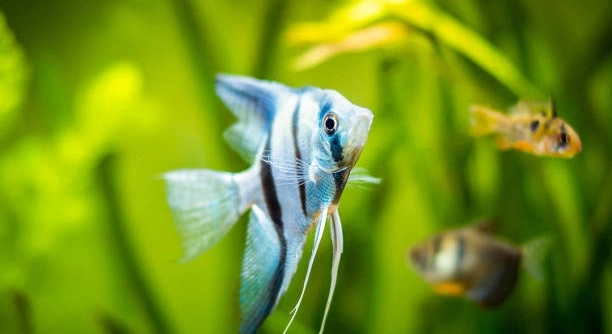
Angelfish are known for their graceful movements and colorful fins, but how can you tell if they’re feeling comfortable in their tank? Ensuring your angelfish is at ease is key to their well-being and happiness.
To determine if your angelfish is comfortable, look for signs like consistent swimming, healthy eating, and active exploration. A relaxed fish will swim smoothly, without hiding or displaying erratic behavior, and maintain vibrant colors.
Recognizing these signs will help ensure your angelfish thrive in a stress-free environment. Keep an eye out for their comfort levels to promote their overall health.
Swimming Behavior
Angelfish are naturally active, and their swimming patterns can tell you a lot about their comfort. When they are comfortable in the tank, you will notice that they swim gracefully and confidently throughout their environment. They should move smoothly, not too fast or slow, and often explore different areas of the tank. If an angelfish starts to swim erratically or appears to be bumping into objects frequently, it may indicate that something is wrong. Stress, water quality issues, or territorial disputes with other fish can cause changes in swimming behavior. Keeping a close eye on their swimming patterns is essential for gauging their well-being.
If your angelfish starts hiding more often or swimming in circles, this may also be a sign of discomfort.
Healthy swimming behavior is often a reflection of a happy angelfish. When everything is in order, your angelfish will swim actively and explore their tank environment. This includes swimming through plants, swimming near the surface, and using all areas of the tank. If the tank is overcrowded or if the water quality is poor, the angelfish might seem less active and spend more time hiding or staying in one area. Pay attention to changes in movement. Angelfish that are not swimming freely or are always hiding could be dealing with stress or illness.
Eating Habits
When angelfish are comfortable, they typically eat without hesitation. They’ll eagerly take food when offered, whether it’s flakes, pellets, or live food. If your angelfish starts ignoring food or leaves it floating in the tank, it may indicate a problem. Stress, poor water conditions, or illness can all lead to reduced appetite. Ensuring the fish is being fed a balanced diet and keeping the tank clean is vital.
A comfortable angelfish will readily eat its food, showing healthy growth and vibrant colors. If they stop eating, it’s time to inspect the water conditions and overall tank setup to identify the cause of the issue. A fish that doesn’t eat may also be suffering from an infection or parasite, requiring immediate attention.
It’s essential to provide a variety of food to keep them engaged, ensuring proper nutrition.
Fin Movement
Angelfish are known for their graceful fin movements. When they’re comfortable, their fins move smoothly and are often spread out in a relaxed position. Stiff, clamped fins are a sign of distress or illness. If you notice your angelfish’s fins are held close to their body, it’s time to check water quality and tank conditions.
If your angelfish’s fins are fluttering more rapidly or appear to be curled, something might be wrong. Poor water conditions, aggressive tankmates, or improper temperature can all cause fin problems. Healthy, relaxed fin movement is essential for maintaining your angelfish’s comfort and well-being. If you spot any abnormalities, investigate possible stressors in the tank environment.
If your angelfish is swimming normally but its fins are not moving freely, it could indicate a more serious issue. Sometimes this behavior is a sign of illness, such as fin rot or parasites. Pay attention to any unusual changes in their fin movements and try to identify potential causes. A fish that is struggling with its fins may need medical attention, and addressing the issue quickly is essential to prevent further harm.
Tank Environment
The tank environment plays a huge role in an angelfish’s comfort. A clean tank with stable water conditions ensures your angelfish stays relaxed and healthy. Filtration and regular water changes are essential for maintaining water quality. Angelfish need a tank with plenty of space to swim, along with hiding spots to feel safe. Overcrowding can cause stress and territorial behavior, which makes the fish uneasy.
Angelfish thrive in a well-planted tank with gentle filtration and stable water temperature. It’s important to avoid rapid changes in temperature or water chemistry, as these factors can lead to discomfort. If your tank has a strong current, angelfish may find it difficult to navigate and feel unsafe. Ensuring that the water is properly filtered and regularly cleaned helps maintain a stress-free environment.
Proper tank setup also includes providing your angelfish with adequate hiding places. Rocks, plants, or decorations can create areas where they can retreat if they feel threatened. If the fish constantly hides, this could indicate stress from aggressive tankmates, poor water quality, or an inappropriate tank setup. Keep the tank environment calm and peaceful to make sure your angelfish feels secure and relaxed.
Body Condition
A comfortable angelfish will maintain a healthy, plump body with no visible signs of distress or malnourishment. If the body looks sunken or excessively bloated, it may be suffering from illness or poor diet. Check for changes in body shape, as they can be indicators of discomfort or health problems.
Ensure the fish is being fed appropriately and that its diet includes a variety of foods. Malnourished fish tend to appear thin, with visible ribs or a lack of muscle tone. Overfeeding, on the other hand, can cause bloating. Keep the feeding routine balanced for optimal health.
Angelfish that maintain a healthy body condition will have smooth scales and a consistent, vibrant appearance. A sudden weight loss or puffiness could indicate digestive problems, parasites, or an infection. If your angelfish shows any of these signs, it’s essential to take action quickly and address the problem before it worsens.
Social Behavior
Angelfish are social fish but can be territorial. When they’re comfortable, they interact peacefully with tankmates, but if they’re stressed, they may display aggression or withdrawal. Aggressive behavior often includes chasing other fish or defending certain areas of the tank. A comfortable angelfish should show calm interactions with others.
Observe your angelfish’s behavior toward other fish in the tank. If it constantly hides from tankmates or displays territorial aggression, it may not be fully comfortable in its environment. Adding or removing tankmates can help reduce stress and encourage more peaceful interactions. A calm environment promotes the well-being of all your fish.
Water Quality
Maintaining good water quality is essential for angelfish comfort. They thrive in water with stable pH, temperature, and minimal toxins. Regular water testing and changes help prevent harmful conditions. Poor water quality can lead to stress, illness, and even death. Ensure your filtration system is working properly.
Final Thoughts
Comfort is key to maintaining healthy and happy angelfish. A comfortable angelfish will display calm, natural behaviors such as smooth swimming and peaceful interactions with tankmates. Keeping their environment clean and stable, with appropriate water quality and temperature, ensures they feel safe. It’s essential to provide them with enough space and hiding spots to avoid stress from overcrowding or aggressive tankmates. With the right care, angelfish can thrive and show their vibrant colors and unique personalities. A comfortable angelfish will display relaxed fin movements and healthy body conditions, indicating their well-being.
When monitoring your angelfish, pay attention to any changes in behavior, such as hiding more often, displaying aggression, or having difficulty swimming. These can all be signs of stress or health issues. If you notice such behaviors, it’s crucial to check water quality, temperature, and tank conditions. Poor water conditions are often the cause of stress and illness, so make sure the filtration system is working well and perform regular water changes. By keeping the water clean and making the environment as comfortable as possible, you can prevent many common health problems.
Addressing any issues quickly is key to preventing further harm. If your angelfish’s behavior doesn’t improve after adjusting their environment, consider consulting a veterinarian or a fish specialist for advice. They can help diagnose any potential health problems and offer solutions to get your angelfish back to its best. With regular care, attention, and proper tank maintenance, your angelfish can live a long and healthy life, comfortably swimming through their tank and showing off their natural beauty.

Hello,
If you enjoy the content that we create, please consider saying a "Thank You!" by leaving a tip.
Every little bit helps us continue crafting quality advice that supports the health, happiness, and well-being of pets around the world, for pets of all shapes, sizes, and species.
We really appreciate the kindness and support that you show us!