
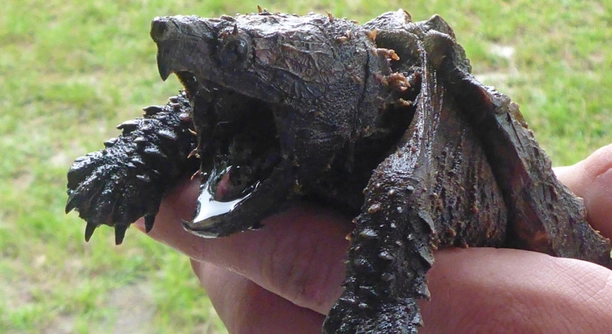
Alligator snapping turtles are fascinating creatures, but ensuring they stay healthy requires regular checks on their condition. A key aspect of turtle care is monitoring their weight to make sure they’re not underweight.
The best way to determine if your alligator snapping turtle is underweight is by checking its body condition. Look for visible signs such as a noticeable thinness in the shell, protruding bones, or low energy levels.
Knowing the signs of an underweight turtle can help you address health issues quickly. With the right steps, you can improve their diet and care, ensuring they stay strong and healthy.
Understanding Your Turtle’s Ideal Weight
Alligator snapping turtles can weigh anywhere from 35 to 250 pounds, depending on their age and size. A healthy weight varies by species, but it’s essential to know the typical range for your turtle. A turtle that is consistently lighter than expected for its age and size may be at risk of health problems. This could indicate an issue with their diet, environment, or overall care.
A key sign of underweight is a thin shell or visible bones under the skin. These turtles may also appear lethargic or avoid food. An underweight turtle can have trouble growing and might be more susceptible to infections and illnesses.
If your turtle is underweight, don’t panic. Take a closer look at their diet, habitat, and how often they are fed. Consider speaking to a vet to rule out any underlying medical conditions. With proper care and attention, your turtle can reach a healthy weight.
Regular Feeding Habits
Feeding habits play a significant role in your turtle’s weight. Overfeeding or underfeeding can both lead to health concerns. Make sure you’re offering a balanced diet with the right proportions of protein, vegetables, and vitamins.
Turtles need a diet high in protein and calcium, which is essential for their growth and shell health. Depending on their age, some might need more protein than others. A lack of calcium can also lead to weak bones and a thinner shell. Regular feeding schedules, with appropriate portions, ensure they receive what they need. Adjusting feeding amounts based on the turtle’s activity and size can help maintain their weight.
It’s also important to offer them clean, fresh water daily. Dehydration can lead to a decrease in appetite and result in weight loss. Keeping your turtle hydrated ensures they have enough energy for normal activities, preventing weight issues.
Environment and Habitat
Your alligator snapping turtle’s habitat can significantly affect its weight. A clean and spacious enclosure ensures your turtle can move freely, which can help maintain a healthy weight. Too much stress from a cramped or dirty environment can cause your turtle to eat less.
Poor water quality can also contribute to weight loss. If the water is not cleaned regularly, it can cause your turtle to feel stressed or unwell. This, in turn, may reduce their appetite, leading to weight loss. Proper filtration and water temperature control are key in providing a comfortable space for your turtle.
Adequate lighting is equally important. Turtles need both UVB light for calcium absorption and proper heat to maintain a healthy metabolism. Without proper heating and lighting, your turtle’s energy levels may drop, affecting their appetite and overall health. Keeping the habitat at a consistent temperature will help prevent any unnecessary weight loss.
Health Checkups
Regular vet visits are crucial for monitoring your turtle’s health and weight. A veterinarian will assess your turtle’s condition and check for any underlying medical issues that may be affecting its weight. These issues could range from parasites to shell deformities, both of which can contribute to unhealthy weight loss.
A vet will also provide advice on proper care, ensuring your turtle’s diet, water, and habitat conditions are optimal. They may even recommend supplements if your turtle has nutritional deficiencies. Keeping up with routine checkups can prevent small problems from turning into major health concerns. It’s also a great way to track your turtle’s growth and ensure they stay on track.
Ensuring that your turtle is healthy is the first step to maintaining a proper weight. Regular health checks can catch any issues early on and prevent further complications. This will keep your turtle in good condition, preventing weight-related problems.
Food Variety
Offering a variety of food is important to ensure your alligator snapping turtle receives a balanced diet. If you feed the same foods daily, your turtle might not get all the necessary nutrients for proper growth and weight maintenance.
Introduce a mix of proteins, such as fish, worms, and shrimp, alongside leafy greens and vegetables. This variation helps keep their diet interesting and meets their nutritional needs. Make sure the portions are appropriate for their size and age. Overfeeding on one type of food can lead to an imbalance and potentially result in weight loss.
Exercise and Activity
Turtles need plenty of space to move around and explore. Regular activity helps them stay strong and healthy, preventing weight loss due to inactivity. In their natural environment, they swim and forage for food, which helps them maintain a healthy weight.
Providing opportunities for your turtle to move freely, either by swimming or exploring their enclosure, encourages proper muscle development and overall health. Lack of activity can lead to poor muscle tone, making it harder for the turtle to keep weight on. Exercise is essential for keeping your turtle fit and well-fed.
FAQ
What is the ideal weight for an alligator snapping turtle?
The ideal weight for an alligator snapping turtle varies depending on their age, size, and health. Juvenile turtles are lighter, typically weighing between 1 and 5 pounds, while adults can weigh between 35 and 250 pounds. The size of the turtle also plays a role; a turtle that is older and larger will naturally weigh more. Monitoring weight regularly and knowing your turtle’s growth pattern will help you ensure it is at a healthy weight.
How do I know if my alligator snapping turtle is underweight?
Signs that your turtle may be underweight include a visibly thin or sunken shell, protruding bones, a lack of energy, or decreased appetite. These can be indicators that your turtle isn’t getting enough food or the right nutrients. In some cases, an underweight turtle may also experience difficulty moving or swimming. Regular weight checks and observing your turtle’s behavior can help you spot these issues early on.
How often should I feed my alligator snapping turtle?
Feeding frequency depends on the age of your turtle. Young turtles generally need to be fed daily, while adults can be fed every other day. The portions should be adjusted based on your turtle’s activity levels and weight. Overfeeding can lead to obesity, while underfeeding can cause weight loss. Keep in mind that a balanced diet is essential to maintain a healthy weight, so variety and portion control are key.
What should I feed my alligator snapping turtle to help it gain weight?
To help your turtle gain weight, focus on offering nutrient-dense foods. A combination of animal proteins like fish, shrimp, and worms, along with high-calcium vegetables like collard greens, is essential. You can also offer occasional treats like earthworms or small rodents. Make sure the food is fresh and appropriate for their age and size.
Can an underweight alligator snapping turtle recover on its own?
In some cases, an underweight alligator snapping turtle might recover with improvements in diet, habitat conditions, and care. However, it’s important to monitor their health closely. If the turtle is severely underweight, it’s crucial to consult a vet for advice and proper treatment. Recovery may require adjustments to diet, hydration, or medical interventions.
Can I feed my alligator snapping turtle only one type of food?
Feeding your turtle only one type of food is not recommended. A balanced diet is crucial for growth and weight maintenance. Offering a variety of proteins (like fish, shrimp, and worms) along with vegetables (such as leafy greens and carrots) will provide the necessary nutrients. A monotonous diet can lead to nutritional deficiencies and weight loss.
How can I make my alligator snapping turtle’s environment more comfortable for weight gain?
To create a comfortable environment for your turtle, make sure the water is clean, well-filtered, and at the correct temperature (between 72°F and 80°F). Proper lighting, including UVB light for calcium absorption, is crucial for overall health. An adequate basking area and spacious swimming zone will encourage exercise and help regulate metabolism. Reducing stress in their habitat also improves their appetite and overall health, which supports weight gain.
Is it normal for my alligator snapping turtle to eat less in the winter?
Yes, it’s normal for alligator snapping turtles to eat less during colder months. Their metabolism slows down in cooler temperatures, so they require less food. However, if your turtle is eating too little or losing weight during this time, it could be a sign of an underlying issue. Ensure your turtle has access to a warm, clean environment to prevent stress and maintain healthy feeding habits.
Can stress cause weight loss in an alligator snapping turtle?
Yes, stress can cause weight loss in alligator snapping turtles. Stress can stem from poor living conditions, such as inadequate water quality, poor temperature regulation, or lack of space. Handling them too much, especially in a new environment, can also cause stress. Keeping your turtle’s environment clean, spacious, and consistent will help reduce stress and prevent weight loss.
What should I do if my alligator snapping turtle stops eating?
If your turtle stops eating, the first step is to evaluate their environment. Ensure the water quality is good, the temperature is appropriate, and they have a proper basking area. If the environment seems fine but your turtle still refuses food, it could be a sign of illness or stress. Consult a vet to rule out any medical conditions and get advice on how to encourage your turtle to eat again.
Final Thoughts
Taking care of an alligator snapping turtle requires attention to their diet, habitat, and overall health. If your turtle is underweight, it is important to address the issue as soon as possible. Regularly checking their weight, looking for signs of poor health, and adjusting their environment can help maintain a healthy weight. You should also pay close attention to what and how much you are feeding them. A well-balanced diet with a mix of proteins, vegetables, and vitamins is essential for their growth and strength.
Providing the right environment plays a big part in your turtle’s well-being. A clean, spacious tank with proper lighting and temperature is necessary for keeping your alligator snapping turtle healthy. When these conditions are met, your turtle will be able to move freely, eat well, and stay active. A lack of space, poor water quality, or improper temperature can cause stress, which can lead to weight loss or decreased appetite. By creating a comfortable and stable habitat, you’ll be giving your turtle the best chance for a healthy life.
Lastly, it is important to monitor your turtle’s health regularly. If you notice any changes in their eating habits, behavior, or appearance, it may be time to consult a veterinarian. A vet can offer guidance on how to improve your turtle’s diet, check for potential health issues, and provide advice on any special care your turtle may need. With the right care, an alligator snapping turtle can thrive and grow to be a healthy, strong companion for years to come.

Hello,
If you enjoy the content that we create, please consider saying a "Thank You!" by leaving a tip.
Every little bit helps us continue crafting quality advice that supports the health, happiness, and well-being of pets around the world, for pets of all shapes, sizes, and species.
We really appreciate the kindness and support that you show us!