
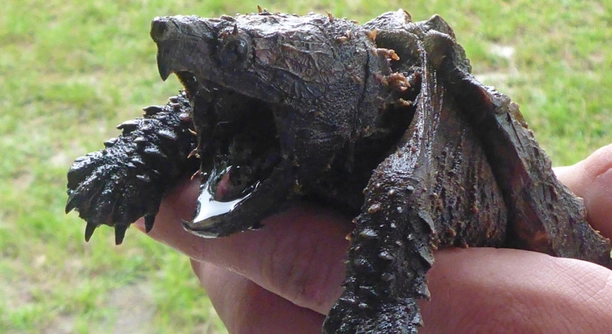
Alligator snapping turtles are fascinating creatures, but understanding their behavior can be a challenge. These turtles are known for their unique looks and defensive nature. Knowing when they feel threatened can help keep them comfortable and safe.
Alligator snapping turtles often display signs of distress when they feel threatened, including hiding, hissing, or snapping aggressively. These reactions are instinctual defenses meant to protect themselves from perceived danger. Observing these behaviors can help identify stress.
Recognizing these signals can help ensure your alligator snapping turtle stays calm and healthy. In this article, we will explore practical ways to identify when your turtle is feeling threatened.
1. Hiding Behavior
Alligator snapping turtles are shy animals by nature. When they feel threatened, they tend to hide inside their shells or seek refuge in the environment around them. They are more likely to retreat into the water, burrowing themselves beneath the mud or debris, where they feel safer. This behavior helps protect them from perceived dangers. It’s important to create a secure habitat where they can retreat if needed. The more a turtle feels secure in its environment, the less likely it is to become stressed and show defensive behaviors. For example, a lack of hiding places or exposure to sudden movements could make them feel vulnerable. It’s essential to ensure your turtle has areas where it can hide and feel safe.
Turtles use hiding as a self-defense mechanism. It’s their way of avoiding danger without having to fight.
When providing hiding spots, consider adding plants, rocks, or artificial caves to their enclosure. These additions will help mimic their natural environment, giving them a sense of comfort. Additionally, proper lighting and temperature regulation are key in making your turtle feel secure. The balance between safety and exposure to sunlight is critical in ensuring your turtle remains calm. If they are continuously stressed, they may become more withdrawn or defensive. Keeping their habitat well-maintained and their environment stable will foster a sense of security, reducing the likelihood of defensive behavior.
2. Aggressive Snapping
Alligator snapping turtles can also become aggressive when they feel threatened. Their snapping behavior is not just a defense mechanism but an instinctive response to any potential threat. When they snap, they may lunge at the perceived danger. While this might seem aggressive, it’s a way for the turtle to protect itself. If they feel cornered or incapable of escaping, their response is to strike out to ward off whatever is in their path. If you notice this behavior, it’s a clear sign that your turtle feels threatened. Avoiding sudden movements or encroachments on their space is key to maintaining a calm atmosphere.
In a stressful situation, the turtle may snap out of fear or frustration.
If the turtle repeatedly shows aggression, it could indicate that it feels unsafe or overstimulated. Reducing stress in its environment by minimizing sudden movements or handling can go a long way. Snapping turtles are territorial and often feel more comfortable when left undisturbed. Ensuring that the enclosure is quiet and predictable will encourage more relaxed behavior. Additionally, it’s important to note that young turtles may be more prone to this behavior than adults. Over time, they may become more accustomed to their surroundings and respond less aggressively to perceived threats.
3. Hissing Sounds
When an alligator snapping turtle feels threatened, it may hiss as a warning sign. This behavior is often an attempt to warn off any perceived danger before taking more drastic actions. It’s similar to how some animals puff up or make noise to appear larger. A hissing turtle may stand its ground, making noise to establish boundaries. The sound can be startling, but it’s important to recognize it as a form of communication rather than aggression. If your turtle hisses, it’s a sign it’s feeling cornered or unsettled by its surroundings. Pay attention to the context in which the hissing occurs. Is the turtle feeling crowded, or is there too much noise in the environment? These factors can contribute to the hissing sound.
Hissing often accompanies defensive body language, like extending its neck or pulling in its head. It’s important to respect these signals and give the turtle space.
If you’re trying to approach the turtle and it hisses, stop. This is not the time to force interaction. Turtles need their space, especially when they feel threatened. By understanding their cues, you’ll be able to avoid making them feel unsafe. Ensuring your turtle has a calm, quiet environment is key. Hissing is just one of many ways they communicate discomfort or distress.
4. Slow Movements
When an alligator snapping turtle feels threatened, its movements often slow down significantly. Rather than being active and curious, it may freeze or move sluggishly. This is a natural response to perceived danger. The turtle is likely trying to avoid detection and minimize further threats. In some cases, slow movement may be a defense tactic, signaling to predators that the turtle isn’t worth the effort. When observing this behavior, it’s important to avoid startling the turtle. Quick movements can further heighten its stress levels. A slow-moving turtle may also retreat into its shell or seek cover to feel more secure.
Slowness can be a sign of stress, especially when paired with other defensive behaviors.
Sluggish movement is not always a sign of illness but often a reaction to its environment. If your turtle seems unusually slow, check for potential stressors, such as too much handling, loud noises, or unfamiliar animals in the vicinity. Understanding the connection between stress and slow movement will help you manage your turtle’s well-being. Keep its environment consistent and avoid rapid changes that might make it feel threatened. A turtle that moves slowly is usually trying to remain unnoticed, so it’s essential to create a safe space for it to thrive without fear.
5. Defensive Posture
When feeling threatened, an alligator snapping turtle may raise its head, extend its neck, or stretch its limbs. This posture serves to make the turtle appear larger, a defense mechanism to ward off potential predators. It’s important to respect this body language as a sign of stress.
A defensive posture can also be a warning to stay away. If the turtle feels cornered or in danger, it will attempt to make itself look more intimidating. This is a natural, instinctive reaction meant to protect itself from harm. Avoid approaching or startling the turtle during this time.
6. Swollen Eyes
If an alligator snapping turtle feels threatened, its eyes may appear swollen or puffy. This is a physical sign of stress or irritation. When the turtle is under threat, its body releases stress hormones, which can lead to visible changes in its appearance. It’s a clear indicator that the turtle is uncomfortable.
A swollen appearance around the eyes can also indicate dehydration or other environmental stressors. Ensure that the turtle’s habitat has proper humidity and water levels to prevent these symptoms. If you notice swelling persistently, it could be an indication that the turtle is dealing with more than just stress.
7. Flailing or Struggling
An alligator snapping turtle may begin flailing or struggling if it feels trapped or threatened. This behavior is often seen when the turtle is handled improperly or when it feels it has no way to escape from danger. The sudden jerking movements can be alarming, but they are the turtle’s way of trying to break free. It’s important not to panic if you see this behavior. Instead, try to create a calmer environment and give the turtle a way to retreat.
FAQ
How can I tell if my alligator snapping turtle is stressed?
Signs of stress in an alligator snapping turtle include hissing, slow movements, defensive postures, and hiding. If your turtle becomes withdrawn or aggressive, these may be indicators of stress. Environmental factors like temperature, water quality, and noise can contribute to their stress. Be sure to maintain a stable environment, ensuring the temperature and water conditions match their natural habitat. Regular observation will help you identify when your turtle is feeling uncomfortable.
Why does my alligator snapping turtle keep hiding?
Hiding is a natural behavior for alligator snapping turtles when they feel threatened or stressed. It allows them to feel secure and safe from potential threats. If your turtle is constantly hiding, check its environment for factors that may be causing distress, such as too much handling, sudden movements, or inadequate hiding spots. Providing hiding places like rocks or plants can help reduce anxiety. If the hiding behavior persists, ensure their water is clean and their habitat is stable.
What should I do if my turtle is snapping aggressively?
If your alligator snapping turtle is snapping aggressively, it’s a sign that it feels threatened or cornered. In these situations, it’s important to give the turtle space and avoid trying to handle it. Aggressive snapping is a defense mechanism meant to protect the turtle. Try to reduce stress in its environment by keeping the habitat calm and quiet. Avoid placing any foreign objects or animals in its enclosure, as they may increase aggression.
How do I make my alligator snapping turtle feel comfortable in its habitat?
To make your alligator snapping turtle feel comfortable, ensure that its habitat mimics its natural environment. Provide plenty of hiding spots, stable water temperatures, and proper filtration. Avoid sudden temperature fluctuations or loud noises that may stress the turtle. If possible, keep the enclosure away from heavy foot traffic or pets. Also, make sure the turtle has access to both deep and shallow water areas, so it can regulate its body temperature. Regularly clean the tank to maintain optimal water quality.
What are common signs of a sick alligator snapping turtle?
Common signs of illness in alligator snapping turtles include lethargy, swollen eyes, loss of appetite, and abnormal swimming patterns. If your turtle is not eating or appears overly sluggish, it could indicate health issues. Check for physical changes such as shell damage, skin lesions, or swelling. Poor water conditions can contribute to illness, so it’s essential to maintain clean water and the right temperature. If symptoms persist, consult a vet with experience in reptiles.
How often should I feed my alligator snapping turtle?
Alligator snapping turtles are opportunistic feeders. Younger turtles require more frequent feeding, typically every 2-3 days, while adults can be fed less often, about 2-3 times a week. Their diet should consist of protein-rich food, such as fish, worms, and insects, as well as some plant matter. Overfeeding can lead to health problems like obesity. Monitor your turtle’s weight and adjust the feeding schedule accordingly. Make sure that any food provided is appropriately sized and not too large, as this can cause stress.
Can alligator snapping turtles live with other pets?
Alligator snapping turtles are solitary creatures and can be territorial, especially if they feel threatened. It’s best to avoid keeping them with other pets, particularly other turtles or aggressive species. If you do want to house them with other animals, make sure the tank is large enough to provide plenty of space for each. Never place small fish or other animals in with an alligator snapping turtle, as they may become prey. Always observe their interactions and be ready to separate them if any aggressive behavior arises.
How do I keep my alligator snapping turtle healthy?
To maintain a healthy alligator snapping turtle, ensure that its environment is clean and stable. Regularly check the water quality, temperature, and humidity levels, as these are crucial for its well-being. Provide a balanced diet, avoid overfeeding, and ensure your turtle has plenty of hiding spots. Additionally, keep the tank away from excessive noise and disturbances to avoid unnecessary stress. Regular vet checkups are recommended to monitor its health and address any potential issues before they become serious.
How can I tell if my alligator snapping turtle is happy?
A happy alligator snapping turtle will exhibit active and natural behaviors. It will swim freely, explore its habitat, and engage in normal feeding habits. When the turtle is content, it may bask or move around its environment with curiosity. If your turtle seems lethargic, refuses food, or displays abnormal behavior, it may indicate stress or discomfort. A well-maintained habitat with stable conditions will contribute significantly to your turtle’s overall happiness.
Why is my turtle swimming upside down?
If your alligator snapping turtle is swimming upside down, it may be experiencing buoyancy issues, often caused by water quality problems or an underlying health condition. Poor water conditions, such as improper salinity or contamination, can affect the turtle’s buoyancy. Additionally, a turtle with a respiratory infection may have difficulty swimming correctly. Check the water quality and consider taking the turtle to a vet if the problem persists. Ensure the tank is large enough and has proper filtration to maintain a healthy environment for your turtle.
What is the lifespan of an alligator snapping turtle?
Alligator snapping turtles can live up to 50 years in the wild, although they typically live between 30 and 40 years in captivity with proper care. Their longevity depends on various factors, such as diet, habitat conditions, and overall health. To ensure a long life, provide them with a stable, well-maintained environment. Regular monitoring of their health and behavior, as well as proper feeding habits, will help your turtle live a long and healthy life.
Final Thoughts
Caring for an alligator snapping turtle requires understanding its unique needs and behaviors. These turtles are fascinating creatures with distinct characteristics, but they also demand attention and patience. Creating the right environment is essential for their well-being. Proper tank conditions, including water temperature, filtration, and adequate hiding spots, help keep your turtle healthy and comfortable. By ensuring your turtle has the right space and environment, you will increase its chances of living a long, healthy life. This level of care can be rewarding for both you and your turtle.
Additionally, paying attention to your turtle’s behavior and health is vital. If it shows signs of stress, aggression, or illness, it’s important to address the issue quickly. Stress can stem from environmental changes, noise, or improper handling, while illness can arise from poor water quality or nutritional imbalances. Regular monitoring and keeping up with tank maintenance will prevent many common issues. If you ever notice any unusual behavior or signs of distress, consulting a vet with experience in reptiles is a good idea. Keeping a calm and stable environment is key to helping your turtle thrive.
Lastly, it’s important to remember that alligator snapping turtles are not pets for everyone. They require long-term care and commitment. If you decide to keep one, be prepared for the responsibility it involves. Understanding their needs, behaviors, and how to meet them will ensure a healthier and happier turtle. It’s also essential to respect their natural instincts and avoid handling them too often. With patience and care, your alligator snapping turtle can become an interesting and rewarding companion.

Hello,
If you enjoy the content that we create, please consider saying a "Thank You!" by leaving a tip.
Every little bit helps us continue crafting quality advice that supports the health, happiness, and well-being of pets around the world, for pets of all shapes, sizes, and species.
We really appreciate the kindness and support that you show us!