
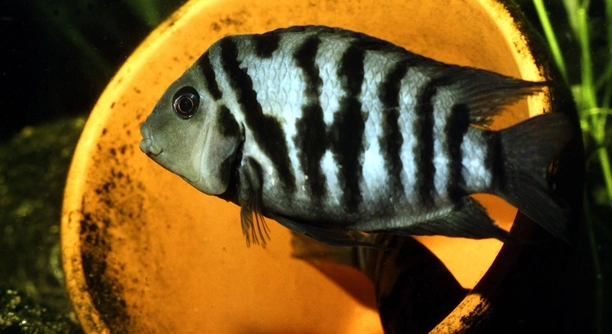
African cichlids are colorful and active fish that thrive in social environments. Keeping them happy often means understanding their needs beyond basic care. Recognizing signs of loneliness can improve their well-being and help you create a better home for them.
Loneliness in African cichlids often manifests through behavioral changes such as reduced activity, loss of appetite, increased aggression, or excessive hiding. These signs indicate social stress and the need for companionship or environmental enrichment to maintain their mental and physical health.
Learning to identify these signs early can make a significant difference in your fish’s quality of life. The following points will guide you in spotting loneliness and ensuring your cichlid remains content and healthy.
Changes in Swimming Behavior
African cichlids are usually active swimmers, exploring their tank with energy and curiosity. When a cichlid becomes lonely, it may swim less or stay in one spot for long periods. You might notice your fish avoiding the usual exploration and seeming listless. This change can be a sign of boredom or stress caused by isolation. Sometimes, the fish may swim erratically or nervously, which is another sign of discomfort. A healthy, well-socialized cichlid typically interacts with its surroundings and other fish, so a drop in activity is worth attention. Observing these subtle shifts in behavior can help you respond early before the loneliness affects its health seriously.
Reduced or unusual swimming patterns often indicate your cichlid needs social interaction or environmental changes.
Providing companions or enriching the tank can restore normal activity and improve your fish’s mood. Keeping an eye on movement helps maintain a balanced, healthy aquarium environment.
Excessive Hiding and Withdrawal
Excessive hiding is a common sign that your African cichlid feels lonely or stressed. When isolated, cichlids may retreat to caves, plants, or decorations more than usual, avoiding open spaces. This behavior can be a sign they lack social stimulation or feel insecure without company. Unlike normal shy moments, persistent hiding shows discomfort and possible loneliness. Environmental factors like tank size and setup can also affect this. Adding tank mates or rearranging the habitat to encourage interaction often reduces hiding. Ensuring a proper environment helps the fish feel safer and more engaged with its surroundings. Watching for prolonged withdrawal is crucial in maintaining your cichlid’s mental health and promoting a lively aquarium atmosphere.
Loss of Appetite
A lonely African cichlid often shows a noticeable drop in appetite. They may refuse food or eat much less than usual. This can lead to weight loss and weaken their immune system, making them vulnerable to illness.
When cichlids feel isolated, their stress levels rise, which affects their desire to eat. Loneliness disrupts their normal feeding routine and can cause lethargy. Lack of stimulation from tank mates or environmental enrichment contributes to this behavior. It is important to monitor their eating habits closely. Introducing compatible companions or providing more engaging tank features can encourage normal feeding. Ensuring the right diet and clean water also helps restore appetite.
Ignoring reduced appetite can cause serious health problems. Promptly addressing loneliness by improving social conditions or tank setup supports your cichlid’s overall well-being and recovery.
Increased Aggression
Increased aggression in African cichlids may signal loneliness or frustration. A solitary cichlid might become more territorial and chase any tank mates aggressively. This behavior can disrupt the tank’s balance.
Lonely cichlids sometimes lash out because they lack proper social interaction. Without companions to establish natural hierarchies, their aggression can intensify. Aggressive behavior often results in injuries or stress for all fish involved. Managing aggression means carefully choosing compatible species and providing enough space and hiding places to reduce conflict. If aggression persists, adding more cichlids or rearranging the tank can help diffuse tension. Proper social structure is key to minimizing aggressive tendencies and maintaining harmony in the aquarium.
Changes in Coloration
African cichlids may lose their vibrant colors when they feel lonely or stressed. Dull or faded colors often indicate poor mental or physical health.
A healthy cichlid usually displays bright, rich colors. When lonely, their colors become less intense as stress affects their well-being.
Lack of Interaction
Lonely cichlids tend to ignore tank mates and show little interest in social behaviors. This withdrawal can be a clear sign of isolation.
Restlessness
A lonely African cichlid may appear restless, swimming back and forth without purpose. This behavior reflects anxiety or discomfort due to lack of companionship.
Tank Environment
The tank setup plays a vital role in your cichlid’s social health. A poorly arranged tank can worsen loneliness and stress.
FAQ
How can I tell if my African cichlid is lonely?
Signs of loneliness in African cichlids include changes in behavior such as reduced swimming activity, loss of appetite, hiding more often, increased aggression, and dull coloration. They may also show less interest in tank mates and act restless or anxious. Observing these behaviors carefully helps identify loneliness early.
What should I do if my cichlid seems lonely?
If your cichlid is lonely, consider adding compatible tank mates to provide social interaction. Rearranging the tank to include more hiding spots and environmental enrichment can help reduce stress. Maintaining good water quality and feeding a balanced diet supports overall health, making your fish more resilient to loneliness.
Can African cichlids live alone?
While some African cichlids can survive alone, they generally thrive better in groups. Social interaction is important for their mental and physical well-being. Keeping them with suitable companions helps reduce stress and encourages natural behaviors, improving their quality of life.
How many cichlids should I keep together?
The ideal number depends on tank size and species, but generally, keeping at least three to five cichlids together is recommended. This allows for natural social hierarchy and reduces loneliness without overcrowding. Proper space and tank setup are essential to prevent aggression.
What tank conditions help reduce loneliness in cichlids?
A well-structured tank with plenty of hiding places, rocks, and plants encourages natural behavior and reduces stress. The tank should be large enough to accommodate several fish comfortably. Clean water, stable temperature, and good filtration are also important to support a healthy social environment.
Can loneliness cause illness in African cichlids?
Yes, loneliness increases stress, which weakens the immune system and makes cichlids more susceptible to diseases. Symptoms like loss of appetite and color fading may indicate stress-related illness. Addressing social needs and maintaining good tank conditions help prevent health problems.
How long does it take for a lonely cichlid to recover?
Recovery time varies depending on the severity of loneliness and stress. With proper social interaction and improved environment, most cichlids begin showing positive changes within a few days to weeks. Consistent care and monitoring are important for full recovery.
Are all African cichlids social fish?
Most African cichlids are social and do best with companions, but some species have different social needs. Researching your specific cichlid species helps determine the best social setup. Proper knowledge prevents problems related to loneliness or aggression.
What signs show that my cichlid is happy?
A happy cichlid is active, swims confidently, eats well, and shows bright colors. It interacts with tank mates and explores the environment regularly. These positive behaviors indicate good social health and proper care.
Can changing tank mates help if my cichlid is lonely?
Yes, sometimes adding or changing tank mates improves social interaction and reduces loneliness. Choosing compatible species that get along well with your cichlid is key. Avoid overcrowding and aggression by selecting fish with similar temperament.
Final Thoughts
African cichlids are social creatures that rely on interaction with their environment and other fish to stay healthy and happy. Loneliness can cause many problems, including changes in behavior, loss of appetite, and increased aggression. Paying attention to these signs helps prevent long-term stress and health issues. Taking steps to create a stimulating and balanced environment can improve your cichlid’s quality of life significantly.
Providing companionship is often the best way to reduce loneliness. Keeping cichlids in groups suited to the size of your tank helps them establish natural social behaviors. However, it is important to choose compatible fish to avoid aggression and overcrowding. Along with companions, a well-arranged tank with hiding spots and decorations offers mental stimulation. Clean water, proper nutrition, and regular tank maintenance are also crucial in supporting your cichlid’s well-being.
Understanding your fish’s needs and observing their behavior closely allows you to make changes that promote their health and happiness. Loneliness is a common issue that can be managed with the right approach. By ensuring your African cichlid has a suitable social environment and proper care, you help create a thriving aquarium where your fish can live comfortably and actively.

Hello,
If you enjoy the content that we create, please consider saying a "Thank You!" by leaving a tip.
Every little bit helps us continue crafting quality advice that supports the health, happiness, and well-being of pets around the world, for pets of all shapes, sizes, and species.
We really appreciate the kindness and support that you show us!