
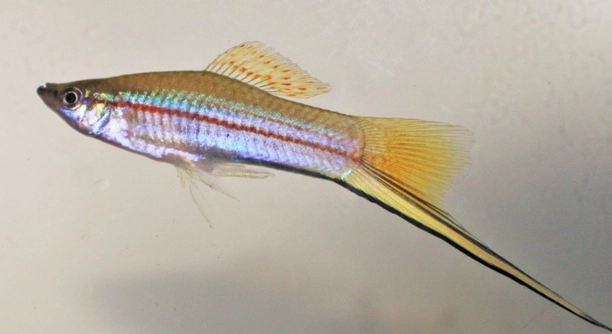
Swordtails are a popular choice for aquariums due to their bright colors and active nature. However, overcrowding can harm their health. Understanding the signs of overcrowding is key to maintaining a balanced environment for these fish.
Overcrowding in swordtails occurs when there are too many fish in a tank, leading to stress and poor water quality. Symptoms include aggressive behavior, stunted growth, and excess waste production. Addressing overcrowding improves fish health and reduces stress.
Recognizing overcrowding early ensures a healthy, thriving aquarium environment for your swordtails.
Signs of Overcrowding in Swordtails
When swordtails are overcrowded, they often display noticeable changes in behavior and appearance. They may become more aggressive, especially towards other fish, as they fight for space and resources. You’ll also notice a decrease in their overall activity level, as crowded conditions limit their movement. Fish that are constantly stressed can also develop fin rot or other diseases due to weakened immune systems.
Tank water quality can deteriorate quickly with overcrowding, leading to a higher concentration of waste. This causes an increase in ammonia levels, which can harm swordtails. If the water remains untreated, it can lead to poor health and even death.
In some cases, swordtails may become stunted in size due to insufficient space and inadequate nutrition. Regular water changes and maintaining proper filtration can help, but if the overcrowding issue persists, the only long-term solution is to reduce the fish population.
Maintaining Proper Tank Size
Providing swordtails with enough space allows them to thrive. A tank that is too small will cause ongoing stress and health problems.
The recommended tank size for swordtails is at least 30 gallons for a small group. However, this can increase depending on the number of fish you have. It’s crucial to provide enough room for each fish to swim comfortably, avoiding unnecessary stress. Proper tank management includes maintaining the right water temperature, filtration, and ensuring regular water changes.
Overcrowding Impact on Water Quality
Overcrowded tanks quickly suffer from poor water quality. The waste produced by too many fish increases ammonia levels, which can harm swordtails. It’s essential to test the water regularly and make adjustments as needed.
The buildup of ammonia can cause toxic levels that stress swordtails, leading to weakened immune systems and higher chances of disease. Keeping the tank clean, adding a good filtration system, and performing regular water changes can help maintain water quality. You may also need to use chemical treatments to remove excess waste and ammonia from the water.
If water quality is not improved, it will cause long-term harm to your swordtails. Stress from poor water conditions can lead to physical issues like fin rot or even death. Monitor ammonia, nitrite, and nitrate levels closely, especially in crowded tanks, to keep your swordtails healthy.
Tank Decor and Space for Swordtails
In crowded tanks, even the decor can add to the problem. Swordtails need space to swim, hide, and establish territories. When overcrowded, they can become territorial, leading to aggression.
Adding decorations, plants, and rocks can help provide some hiding spots for swordtails, but too many decorations reduce swimming space. The key is to find the right balance. Ensure your swordtails have enough room to move freely while having places to retreat when necessary. Avoid overcrowding the tank with too much decor. A clean, minimalist setup with strategic placements can help swordtails feel secure.
Behavior Changes in Swordtails
When overcrowded, swordtails often display unusual behavior. They become more aggressive toward each other, particularly during feeding time. The lack of space can lead to constant territorial disputes, affecting their overall well-being.
In extreme cases, swordtails may stop eating or show signs of stress like rapid gill movement. If the overcrowding persists, these behaviors can escalate into more serious health issues, such as the development of wounds or injuries from fighting.
Impact on Swordtail Growth
Overcrowding can stunt the growth of swordtails. Fish need enough space and resources to grow properly, but in a crowded tank, they may not get the nutrition they need.
Restricted space and constant stress affect their development. Swordtails in overcrowded tanks tend to remain smaller than their tank-mates in larger, more spacious environments. It’s essential to give swordtails adequate room to grow, allowing them to reach their full potential in a healthy setting.
The Importance of Tank Maintenance
Regular tank maintenance becomes crucial in an overcrowded tank. Frequent water changes and good filtration help keep the water clean and healthy. This reduces stress on the fish and prevents the buildup of harmful chemicals.
Proper maintenance helps support swordtail health and overall tank stability. Ensuring the tank is well-maintained also contributes to better oxygen levels and clearer water, both of which are vital for swordtail survival.
FAQ
How many swordtails can fit in a 20-gallon tank?
A 20-gallon tank can typically hold about 4 to 6 swordtails comfortably. However, this depends on the overall setup, including filtration and the presence of other species. Always consider the needs of each fish and the water conditions. More swordtails will require larger tanks, proper water changes, and good filtration to avoid overcrowding.
Can overcrowding lead to disease in swordtails?
Yes, overcrowding increases the risk of disease in swordtails. When too many fish occupy a small space, stress levels rise, making fish more vulnerable to illness. Poor water quality, a common issue in overcrowded tanks, can lead to a higher chance of bacterial and fungal infections. Maintaining proper tank conditions is key to preventing these health problems.
How can I reduce aggression in overcrowded tanks?
Reducing aggression in overcrowded tanks requires creating more space and hiding spots for swordtails. Add plants, rocks, and decorations to give fish areas to retreat when needed. Alternatively, separating aggressive swordtails into different tanks can also reduce territorial conflicts and help the remaining fish feel more secure.
What are the signs that swordtails are stressed due to overcrowding?
Stress in swordtails due to overcrowding can manifest in several ways. Some common signs include erratic swimming, constant hiding, rapid gill movement, or aggressive behavior towards other fish. Swordtails may also lose their appetite or show signs of physical harm from fighting. If you notice these behaviors, consider adjusting the tank’s population.
How can I improve water quality in an overcrowded tank?
To improve water quality in an overcrowded tank, perform frequent water changes, at least 20% every week. Ensure that the filtration system is working effectively and able to handle the increased waste produced by the fish. Adding a biological filter can help break down excess ammonia and improve water conditions. Regularly check water parameters like ammonia, nitrites, and nitrates to ensure they are within safe ranges.
Can overcrowded tanks stunt swordtail growth?
Yes, overcrowded tanks can stunt swordtail growth. With limited space and resources, swordtails cannot grow to their full size. Stress from overcrowding can hinder their ability to feed properly and develop as they should. It’s crucial to provide swordtails with enough space to thrive and grow to their full potential.
What should I do if my swordtails are constantly fighting?
If swordtails are constantly fighting, it may be a sign of overcrowding or territorial disputes. First, ensure there are enough hiding spots and plants for fish to claim their own space. If fighting persists, consider reducing the number of fish or separating the most aggressive individuals into a separate tank.
Is it okay to keep swordtails with other species in an overcrowded tank?
It’s not ideal to keep swordtails with other species in an overcrowded tank. Overcrowding in any setup leads to increased stress, which affects all fish, including other species. If you plan to house multiple species, ensure there is enough space for all of them and provide plenty of hiding spots for everyone to feel secure.
How often should I clean my tank when overcrowded?
In an overcrowded tank, it’s essential to clean it more frequently to maintain water quality. Clean the tank at least once a week, removing excess waste, uneaten food, and debris. A regular cleaning schedule will help prevent harmful bacteria from building up and reduce the stress on your swordtails.
Will overcrowding affect the breeding behavior of swordtails?
Yes, overcrowding can negatively affect the breeding behavior of swordtails. When swordtails are stressed, their natural reproductive patterns can be disrupted. Mating and courtship behaviors may not occur as they should, and the survival rate of the fry may decrease due to poor water quality or stress from overcrowding.
What tank size is best for a group of swordtails?
A 30-gallon tank is the minimum recommended size for a small group of swordtails. However, for larger groups, you should increase the size of the tank to maintain healthy living conditions. A larger tank allows for better water quality, more space to swim, and fewer issues with overcrowding.
How can I tell if my swordtails are healthy?
Healthy swordtails are active, swim gracefully, and have vibrant colors. They should be eating regularly and show no signs of disease such as white spots, lesions, or bloating. Their fins should be intact, and they should not exhibit excessive rubbing or scratching against objects. If swordtails seem lethargic, have faded colors, or exhibit abnormal behaviors, it may indicate stress or illness.
Can I add more swordtails to my tank if it seems fine?
If your tank currently seems fine, it may still be at risk of overcrowding in the future. Before adding more swordtails, carefully monitor water quality, ensure the filtration system can handle extra waste, and make sure there’s enough space for each fish to swim comfortably. Always prioritize the well-being of your existing fish before adding more.
What is the best filter for a crowded tank?
The best filter for a crowded tank is one that provides both mechanical and biological filtration. A canister filter or a hang-on-back filter with a high flow rate works well in crowded tanks, as it helps circulate water and break down waste effectively. Choose a filter rated for a larger tank than yours to ensure it can handle the increased waste load.
Are swordtails more likely to get sick in overcrowded tanks?
Yes, swordtails are more susceptible to sickness in overcrowded tanks. The stress from limited space, high waste levels, and poor water quality weakens their immune system. Disease-causing bacteria and parasites thrive in these conditions, leading to higher risks of infection and health problems for swordtails.
How do I monitor my swordtails for signs of overcrowding?
Monitor swordtails by observing their behavior, swimming patterns, and physical health. If they seem to be fighting frequently, losing their appetite, or showing signs of illness, overcrowding may be the issue. Checking water parameters such as ammonia, nitrites, and nitrates will also give you an idea of the tank’s condition.
Can overcrowding cause swordtails to stop breeding?
Yes, overcrowding can cause swordtails to stop breeding. The stress of living in tight quarters can suppress their natural reproductive instincts. Swordtails may also struggle to find suitable mates or territories for courtship. Reducing the number of fish and providing ample space can help restore their breeding behavior.
Final Thoughts
Overcrowding in a swordtail tank can lead to a variety of problems, ranging from behavioral changes to health issues. When there are too many swordtails in one tank, stress levels rise, and fish are forced into constant competition for resources. This leads to aggressive behavior, stunted growth, and a higher likelihood of disease. Stress can weaken the immune systems of swordtails, making them more vulnerable to infections and other health problems. Keeping swordtails in a tank with too many fish can also hinder their ability to breed successfully, as the crowded environment interferes with natural mating behaviors. It is crucial to maintain a balanced number of swordtails in a tank to ensure they thrive in a healthy environment.
To prevent overcrowding, it’s essential to understand the space and resources that each swordtail needs. As a general rule, swordtails should have at least 2 to 3 gallons of water per inch of fish. This space allows them to swim freely and reduces the stress caused by close quarters. The tank should also be equipped with a good filtration system to keep the water clean and maintain healthy oxygen levels. Regular water changes, around 20-30% weekly, help to keep harmful chemicals and toxins at bay, ensuring swordtails stay in a safe environment. A well-maintained tank can make a huge difference in preventing the negative effects of overcrowding and keeping swordtails happy and healthy.
When managing a swordtail tank, always observe the behavior of the fish closely. Signs of overcrowding, such as fighting, hiding, or a lack of appetite, should be addressed immediately by reducing the number of fish or increasing the size of the tank. It’s also helpful to create hiding spots and introduce plants or decorations to give swordtails a sense of security. By paying attention to the tank’s population and maintaining good water quality, you can help your swordtails live in a space that promotes both their physical and mental well-being. Proper care and regular monitoring will lead to a thriving, balanced aquarium that benefits all the inhabitants.

Hello,
If you enjoy the content that we create, please consider saying a "Thank You!" by leaving a tip.
Every little bit helps us continue crafting quality advice that supports the health, happiness, and well-being of pets around the world, for pets of all shapes, sizes, and species.
We really appreciate the kindness and support that you show us!