
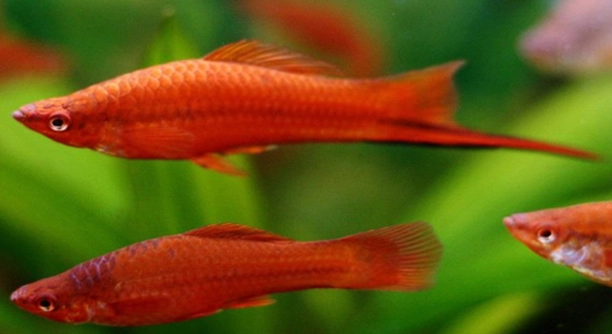
Swordtails are peaceful fish, but sometimes they can become aggressive. Knowing how to spot the signs of a fight can help you maintain a healthy tank environment. Understanding these behaviors can also help prevent stress among your fish.
Swordtails typically fight due to territorial disputes, mating rivalry, or competition for food. Their aggression may manifest as chasing, fin nipping, or posturing. Observing these behaviors closely will help you distinguish between normal and aggressive interactions.
Recognizing these signs early will help you manage your swordtail tank more effectively and reduce potential conflicts.
Territorial Disputes: A Common Cause of Swordtail Aggression
Swordtails are known to be territorial fish, especially when they are housed in smaller tanks. They tend to claim certain areas, like hiding spots or plants, as their own. When another swordtail encroaches on their space, aggressive behavior can quickly follow. This aggression usually manifests as chasing, fin flaring, or nipping.
While these territorial disputes may look concerning, they are often a natural part of swordtail behavior. In the wild, swordtails protect their territory to ensure access to resources like food and shelter. In your tank, you can reduce these conflicts by providing enough hiding spots and ensuring that your fish have enough space to swim.
If you notice constant chasing or territorial behavior, it might be a sign that your tank is overcrowded. Swordtails need room to establish their own territories without causing harm to one another. Adding more plants or decorations can also help create visual barriers that reduce conflicts.
Mating Rivalries: When Swordtails Compete
Mating behavior can sometimes lead to aggression. Male swordtails often compete for the attention of a female, displaying chasing and nipping behaviors. These rivalries can become intense, especially when a female is present.
During mating season, the males will chase each other aggressively to prove their dominance. The female may appear indifferent to these interactions, but the males’ competition can become more frequent. It’s a natural part of their reproductive cycle, but it can lead to stress if not managed properly.
If you notice excessive aggression, consider adding more females to your tank. Males tend to spread their attention and reduce the competition when there are more females available. This can result in a more peaceful tank environment overall.
Competition for Food
When swordtails feel threatened by a lack of food, they may start fighting. Aggression can arise when there is not enough food to go around, especially if there are multiple fish in the tank. Swordtails will compete for the food they see as scarce, often chasing or nipping at each other.
To avoid food-related aggression, it’s important to ensure all your fish are getting enough to eat. Offering smaller amounts of food at multiple feeding stations can help reduce competition. This allows fish to eat without fighting over the same spot. In tanks with multiple swordtails, feeding time can become chaotic if you don’t manage it well.
Another approach is to feed your swordtails a variety of food to ensure they are getting balanced nutrition. Offering pellets, live food, and frozen options can keep the fish satisfied and less likely to fight over specific types of food. This way, every fish can enjoy a peaceful mealtime.
Stress-Induced Aggression
Stress is a significant factor in triggering aggression in swordtails. High levels of stress, whether from water quality, temperature fluctuations, or overcrowding, can lead to fights. When swordtails feel unsafe or uneasy, they may resort to aggressive behavior as a defense mechanism.
Poor water conditions, such as high ammonia levels or low oxygen, can put swordtails under stress. Regular water changes and tank maintenance will help keep the environment calm and prevent aggression. Ensure the temperature is stable, as extreme changes can also cause stress. It’s crucial to monitor your fish closely to identify any stress triggers early on.
By maintaining an optimal tank environment, you can significantly reduce the risk of stress-induced fighting. Swordtails are naturally peaceful, but like many fish, they can become defensive if they feel threatened. By providing a stable and stress-free environment, you encourage a more peaceful tank for everyone.
Overcrowding in the Tank
Overcrowding is a common issue that leads to aggression in swordtails. When there isn’t enough space for all the fish, they begin to compete for territory, food, and attention. This can result in more frequent fights, with the dominant fish chasing others.
A crowded tank limits the ability of fish to establish their own space, causing stress. Swordtails are more likely to display aggressive behaviors, such as chasing and fin nipping, when they feel cramped. To reduce these behaviors, ensure your tank is spacious enough to accommodate your fish. A good rule is to have at least 1 inch of fish per gallon of water.
Lack of Hiding Spots
Swordtails also fight when there are not enough hiding spots. Without places to retreat and feel secure, fish may become more aggressive toward one another. Creating hiding spots helps swordtails feel less threatened, promoting peace in the tank.
Add plants, rocks, or decorations that offer safe spaces for swordtails. This will reduce stress and prevent territorial disputes. A well-decorated tank with adequate hiding spots provides the fish with more comfort and lessens their chances of fighting over space. A peaceful environment is key to reducing aggression.
Water Temperature Issues
Swordtails are sensitive to water temperature changes, and rapid fluctuations can lead to aggression. Maintaining a stable water temperature is essential for their well-being. If the water is too hot or too cold, swordtails may become stressed and act aggressively toward each other.
Investing in a reliable heater and thermometer ensures that the water stays within the ideal range for swordtails, typically between 72°F and 78°F. By keeping the water temperature consistent, you can help reduce the stress levels in your tank and prevent aggression related to environmental discomfort.
FAQ
How do I know if my swordtails are fighting?
Swordtails will show signs of aggression when they fight, such as chasing, fin nipping, or displaying threatening postures. They may swim rapidly around each other, darting back and forth, or nip at each other’s fins. If the behavior escalates, the fish may even bite or chase relentlessly. Watching for these signs is key to identifying if they’re in a fight.
What should I do if my swordtails are fighting?
If your swordtails are fighting, the first step is to assess the tank size and the number of fish. If it’s overcrowded, consider rehoming some fish or upgrading to a larger tank. You can also rearrange the decorations in the tank to break up territories. Adding more hiding spots will allow your fish to escape and reduce aggression. If fights persist, separating the aggressive fish temporarily might help calm things down.
Can swordtail fish live together peacefully?
Yes, swordtail fish can live together peacefully if their environment is managed properly. Providing enough space, hiding spots, and keeping the water quality stable will help prevent aggression. Swordtails are typically calm, but stress from overcrowding, lack of food, or poor water conditions can lead to fights. Ensuring the tank is large enough and well-maintained is key to a peaceful environment.
Why do swordtails chase each other?
Swordtails often chase each other for several reasons. Males will chase females as part of their mating ritual. They may also chase other males to establish dominance or protect their territory. This behavior is common in the wild and can occur in tanks as well, particularly during mating seasons or when there is a shortage of space or resources.
Is it normal for swordtails to nip at each other’s fins?
Yes, fin nipping can be a normal behavior in swordtails, especially when they are establishing dominance or competing for resources. However, persistent fin nipping may be a sign of stress or aggression. If you notice damaged fins or constant nipping, it could be an indication that the tank is overcrowded or the fish are stressed.
How can I prevent swordtails from fighting?
To prevent swordtails from fighting, ensure that the tank is spacious enough for the fish to establish their own territories. Provide plenty of hiding spots, such as plants or decorations, so they can escape from aggression. Keep the water quality high by performing regular water changes and maintaining the right temperature. It’s also helpful to keep an appropriate male-to-female ratio, as too many males can lead to competition and fighting.
Do swordtails need a lot of space to swim?
Yes, swordtails need plenty of space to swim freely. Overcrowded tanks lead to territorial disputes and aggressive behavior. A tank of at least 20 gallons is recommended for a small group of swordtails, with additional space if you add more fish. Providing a large area for them to swim helps reduce stress and prevents fighting.
What is the ideal water temperature for swordtails?
Swordtails prefer water temperatures between 72°F and 78°F. Keeping the water within this range helps maintain their health and reduces stress, which in turn minimizes aggressive behavior. Sudden temperature fluctuations or water that’s too hot or too cold can make swordtails more vulnerable to illness and increase their likelihood of fighting.
Can swordtails live with other fish?
Swordtails are generally peaceful fish and can live with other species as long as the tank conditions are right. They do well with other non-aggressive fish, such as tetras, guppies, and mollies. However, avoid keeping them with aggressive species or larger fish that might stress or harm them. Always consider the tank size and compatibility before adding other fish.
Do swordtails get along with each other?
Swordtails usually get along with each other, but this can change depending on the tank environment. Male swordtails may compete for females, and territorial disputes can arise if there’s not enough space. The presence of plenty of hiding spots and a balanced male-to-female ratio can help reduce conflicts. Female swordtails are generally more peaceful, so adding more females than males can ease competition.
How do I know if my swordtail is stressed?
Stressed swordtails may display unusual behavior, such as hiding excessively, losing their appetite, or swimming erratically. Their colors may also become dull or they may show signs of disease, like lesions or spots. Stress can be caused by poor water quality, overcrowding, temperature fluctuations, or aggressive tank mates. It’s important to identify the source of stress and address it to prevent further health issues.
Why do my swordtails seem to be bullying each other?
Bullying among swordtails usually happens when there are territorial disputes, food competition, or imbalances in the male-to-female ratio. Male swordtails, in particular, may chase or harass other males to assert dominance or during mating season. This behavior can be reduced by providing more space, food, and hiding spots, and by managing the tank’s population.
How many swordtails should I keep in one tank?
The number of swordtails in a tank depends on its size. A general rule is one inch of fish per gallon of water, but swordtails can be quite active, so more space is better. For a group of swordtails, a minimum tank size of 20 gallons is recommended. For larger groups, you’ll need to increase the tank size accordingly.
Final Thoughts
Swordtails are generally peaceful fish, but like many other species, they can become aggressive under certain circumstances. Overcrowding, lack of hiding spots, or sudden changes in water temperature can all contribute to unwanted behaviors like chasing or fin nipping. Recognizing the signs of fighting early on is essential to preventing harm and stress in your tank. If your swordtails are fighting, it’s crucial to address the root causes—whether it’s tank size, water conditions, or the fish’s social environment. By taking steps to improve the living conditions, you can create a more harmonious environment for your swordtails and help prevent aggression.
Incorporating simple solutions can make a big difference in the well-being of your swordtails. Start by ensuring that the tank is spacious enough for the number of fish you have. Providing plenty of hiding spots and decorations can offer them the security they need to reduce stress. Additionally, maintaining stable water conditions, including temperature and filtration, is key to keeping swordtails healthy and calm. The more attention you give to these aspects of their care, the less likely your swordtails will resort to aggressive behaviors. A balanced tank with good water quality and space will allow your fish to thrive.
Swordtails are a great addition to any community tank when managed properly. With their vibrant colors and active nature, they can bring joy to any aquarium. However, it’s important to understand their needs and behavior to prevent any issues. By keeping a close eye on their interactions, you’ll be able to notice signs of stress or aggression early on and address them quickly. By creating a peaceful environment, you can enjoy the beauty and liveliness of your swordtails without the worry of constant fighting.

Hello,
If you enjoy the content that we create, please consider saying a "Thank You!" by leaving a tip.
Every little bit helps us continue crafting quality advice that supports the health, happiness, and well-being of pets around the world, for pets of all shapes, sizes, and species.
We really appreciate the kindness and support that you show us!