
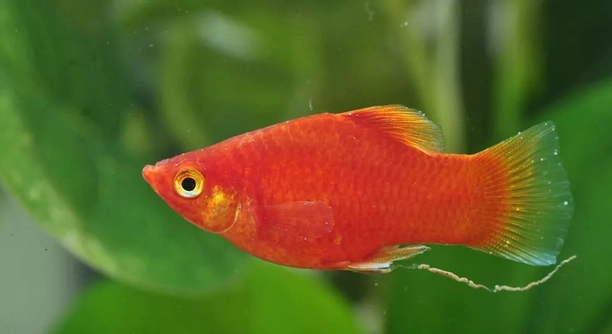
Platies are popular freshwater fish known for their bright colors and easy care. Many fishkeepers enjoy watching them swim in home aquariums. Keeping their environment healthy is important to ensure they thrive and remain happy.
Overcrowding in platies happens when too many fish live in a limited space, causing stress, poor water quality, and increased disease risk. Identifying overcrowding early helps maintain a balanced aquarium and promotes the well-being of all fish.
Recognizing signs of overcrowding will improve your ability to care for platies and keep your tank environment stable and healthy.
Signs of Restless Behavior in Platies
When platies are overcrowded, they often show restless or erratic swimming patterns. You may notice them darting quickly around the tank or constantly chasing each other. This behavior is usually a sign of stress caused by lack of space. Overcrowding can also lead to fights as the fish compete for territory and hiding spots. This unrest impacts their overall health, making them more vulnerable to illness. Watching for changes in how your platies swim and interact helps you catch overcrowding before it worsens. It’s important to provide enough room so they can swim freely and reduce aggressive behaviors. Stress from overcrowding also weakens their immune systems, making regular water checks and tank maintenance even more necessary. Adjusting the number of fish or increasing tank size can improve their environment and bring calm back to your aquarium.
Overcrowded platies may also lose interest in food, reflecting stress and discomfort.
Keeping your fish active but calm is a key step toward a healthier tank environment.
Cloudy Water and Poor Water Quality
Cloudy water often signals a problem linked to overcrowding. When too many platies live in one tank, waste builds up faster than the filter can handle. This waste increases ammonia and nitrite levels, which are harmful to fish. Without proper filtration or frequent water changes, water quality quickly declines. Poor water conditions stress platies and can cause diseases like fin rot or fungal infections. Testing your water regularly helps you spot these issues early. Using a reliable water test kit, monitor ammonia, nitrites, nitrates, and pH levels. If you see spikes in these numbers, overcrowding might be the cause. Besides reducing the number of fish, increasing filtration capacity and performing more frequent water changes improve water clarity and safety. Clean water supports the fish’s health and reduces signs of distress in your platies.
Reduced Growth and Size
Platies living in crowded tanks often show slower growth and smaller sizes compared to those in spacious environments. Limited space and competition for food can stunt their development.
When platies are overcrowded, they struggle to get enough nutrition because food becomes scarce or they get pushed away by more aggressive fish. This lack of proper feeding can stunt their growth and leave them weaker. Additionally, poor water quality from overcrowding increases stress, which affects their overall health and ability to grow properly. Smaller, weaker fish are more likely to get sick and have shorter lifespans. Providing enough space and ensuring all fish get their share of food supports healthy growth. Monitoring your fish’s size and growth patterns can help identify if overcrowding is affecting them.
If you notice your platies staying smaller than usual, it’s a good sign the tank conditions may need improvement to support their growth.
Increased Disease and Illness Risk
Overcrowded conditions increase the chance of diseases spreading quickly among platies. Stress weakens their immune systems, making them more vulnerable to infections.
High fish density raises waste levels, reducing water quality and creating an environment where harmful bacteria and parasites thrive. In cramped spaces, fish touch each other more often, spreading illnesses faster. Common diseases like fin rot, ich, and fungal infections become more frequent under these conditions. Ill fish show symptoms such as faded colors, torn fins, or lethargy. Immediate action, like reducing the fish population and improving filtration, helps control outbreaks. Keeping the tank clean and monitoring water parameters prevents many health problems. Good care and enough space keep your platies strong and less prone to sickness, ensuring they live longer and healthier lives.
Frequent Hiding and Reduced Activity
Platies often hide more when their tank is overcrowded. This behavior is a sign they feel stressed or threatened by the presence of too many fish.
Less swimming and more hiding mean your platies are uncomfortable. They need enough space to explore and feel safe without constant competition.
Poor Coloration and Dull Appearance
Stress from overcrowding often causes platies to lose their bright colors. When fish are stressed, their bodies reduce pigment production, leading to a dull look. Healthy platies have vibrant, clear colors, which indicate good health and comfort. Watching for faded or washed-out colors helps spot overcrowding problems early.
Increased Aggression Among Fish
Overcrowding can lead to more fights and aggressive behavior. Platies will compete for limited space, food, and hiding spots, making the tank less peaceful.
FAQ
How many platies should I keep in one tank?
The ideal number of platies depends on the tank size. A common guideline is one inch of fish per gallon of water. For platies, which grow about 2 to 3 inches, a 20-gallon tank can comfortably hold around six to eight fish. This gives them enough space to swim, reduces stress, and keeps water quality manageable. Overcrowding leads to many issues, so always consider the tank size before adding more fish. If your tank is smaller, reduce the number accordingly.
What are the best signs that my platies are overcrowded?
Restless swimming, frequent hiding, poor coloration, and slow growth are all key signs. You might also notice cloudy water or increased algae growth due to excess waste. Behavioral changes like increased aggression or fish chasing each other are warning signs too. Watching your fish daily helps you catch these signs early and take action.
Can overcrowding cause diseases in my platies?
Yes, overcrowding greatly increases disease risk. High fish density stresses platies, which weakens their immune systems. Waste buildup lowers water quality and encourages harmful bacteria and parasites. Illnesses like fin rot, ich, and fungal infections spread faster in crowded tanks. Keeping the tank clean and reducing the number of fish lowers this risk.
How often should I change water in an overcrowded tank?
Frequent water changes are necessary to keep water safe in a crowded tank. Changing about 25-30% of the water weekly is usually recommended, but in overcrowded conditions, you may need to do this more often—up to twice a week. Fresh water helps remove toxins like ammonia and nitrites, improving overall fish health.
What can I do if my platies seem overcrowded but I can’t get a bigger tank?
If upgrading your tank isn’t possible, reduce the number of fish to give each more space. You can also improve filtration and increase the frequency of water changes to maintain good water quality. Rearranging decorations to create more hiding spaces may reduce stress. Feeding smaller amounts more often ensures all fish get enough food without polluting the water.
How do I safely reduce the number of platies in my tank?
You can rehome extra platies by giving them to local pet stores, aquarists, or friends with tanks. Avoid releasing fish into the wild. When removing fish, do it gradually to reduce stress on the remaining population. Always quarantine new tanks or fish before moving them.
Are there specific behaviors that show my platies are stressed from overcrowding?
Yes, stressed platies often swim erratically, hide excessively, or become aggressive. You might notice rapid gill movement or gasping at the surface if oxygen levels are low. Loss of appetite and faded colors are also signs of stress. Stress weakens immune responses and makes fish prone to illness.
Can overcrowding affect the breeding of platies?
Overcrowding can reduce breeding success. Stressed fish are less likely to mate or may produce weaker fry. Limited space means less room for females to hide from males, causing stress. Providing enough space and good water quality improves breeding conditions and fry survival rates.
How do I test if my tank water is healthy?
Use a water testing kit to check ammonia, nitrite, nitrate, and pH levels. Ammonia and nitrites should be zero, while nitrates should stay below 20-40 ppm. pH levels ideal for platies range from 7.0 to 8.3. Regular testing helps detect problems before they harm your fish.
What are some signs of poor water quality due to overcrowding?
Cloudy or smelly water, algae overgrowth, and visible waste buildup indicate poor water quality. Fish may gasp at the surface or stay near filters where oxygen is higher. These signs suggest water changes or filtration upgrades are needed to protect your platies.
Keeping platies in a healthy environment is important for their well-being. Overcrowding can cause many problems, including stress, illness, and poor growth. By watching your fish carefully, you can notice early signs that the tank is too crowded. These signs include restless swimming, hiding, dull colors, and changes in behavior. Taking action early helps your platies stay happy and healthy. It is important to keep their tank clean and maintain good water quality by doing regular water changes and using proper filtration.
Providing enough space for platies is a simple way to reduce stress and improve their quality of life. Each fish needs room to swim freely and have access to food and hiding spots. When a tank has too many fish, they compete for these resources, which can lead to aggression and health issues. Ensuring your aquarium is the right size for the number of platies you keep will make a big difference. If your tank feels overcrowded, consider moving some fish to another tank or finding new homes for them. This helps balance the environment and keeps the water clean.
In the end, paying attention to your platies’ behavior and their environment will help you avoid overcrowding problems. Healthy fish are more active, colorful, and less likely to get sick. Regular maintenance, including water testing and tank cleaning, is necessary to support a good habitat. With the right care, platies can live longer and be a joy to watch. Taking simple steps to manage tank size and water quality will ensure your platies thrive and bring beauty to your home aquarium for a long time.

Hello,
If you enjoy the content that we create, please consider saying a "Thank You!" by leaving a tip.
Every little bit helps us continue crafting quality advice that supports the health, happiness, and well-being of pets around the world, for pets of all shapes, sizes, and species.
We really appreciate the kindness and support that you show us!