
Do you ever find yourself watching your gourami closely, wondering if their odd behavior means something more than just swimming around?
Gourami show signs of mating through behaviors like building bubble nests, increased territorial activity, and chasing or nudging. These actions typically indicate courtship, where the male prepares a nest and attempts to attract a female.
Recognizing these signs early can help you create the best environment for breeding and keep your gourami stress-free during this process.
They Start Building Bubble Nests
Male gourami build bubble nests when they are ready to mate. These nests are made by blowing bubbles that stick together at the water’s surface. The male usually chooses a quiet area in the tank, away from fast currents. He might also use bits of plant matter or debris to help support the nest. This behavior is a clear indicator that he’s preparing for a potential female partner. It often means mating is close, especially if the male guards the nest or seems more active around it. This is one of the first visible signs of mating.
The male will often return to the same corner or leaf to keep the nest in shape and check on it often.
You’ll want to make sure the water surface stays calm and that there’s floating plant coverage. These details help the male maintain the nest and increase the chances of successful mating. A lid also helps stop drafts.
They Become More Territorial
Mating behavior often brings out a more territorial side in gourami, especially males. He may chase away other fish or guard his space more fiercely. This is normal and is part of the courtship process.
A territorial male usually picks a corner or a spot near his bubble nest. He’ll patrol it regularly and may flare his fins, darken in color, or chase other fish that come too close. While this may seem aggressive, it’s part of the behavior meant to protect his future offspring and attract the female’s attention. In some cases, the male might even act this way toward the female until she’s ready to mate. You should watch for signs of stress in other fish, and if needed, create more hiding places using plants or decorations. This can help balance out the tank. Reducing water flow and avoiding sudden changes also supports a better environment for breeding behavior to play out.
They Display Chasing or Nudging Behavior
Chasing and nudging between a male and female gourami is common during mating. The male usually follows the female closely, lightly bumping or nudging her body, often guiding her toward the bubble nest.
This behavior might seem a little rough, but it’s a typical part of how gourami mate. The male uses nudging to test the female’s readiness and to lead her toward the nest. He may also swim in circles around her or try to stay very close. If the female is ready, she won’t resist the attention and will start hovering near the nest. If she’s not ready, she may swim away or hide. At this stage, it’s important to monitor their interaction. If the chasing becomes too harsh or constant, you may need to separate them briefly. Sometimes, the female just needs more time to be ready, and forcing it too soon can stress both fish.
Once the female is ready, the chasing behavior usually stops. Instead, you’ll notice both fish staying near the nest and moving in a synchronized way. The male may wrap his body around the female under the nest. After this, eggs are released, and the male begins collecting them in his mouth and placing them carefully in the bubble nest. This gentle cooperation is a clear sign that the mating process is underway. At this point, it’s best not to disturb them. Keep the tank calm, avoid large movements nearby, and leave the lights low to help reduce stress on both fish.
Their Colors Become More Intense
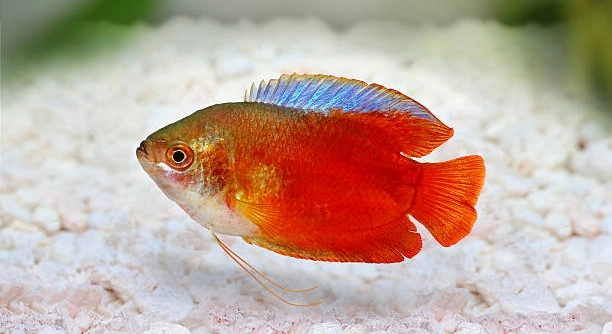
Male gourami often show brighter, deeper colors when ready to mate. This is especially true for species like dwarf gourami, where the male may become more vibrant to attract the female’s attention.
Female gourami might also change slightly in color, but it’s usually less dramatic. Her response to the male’s display often helps indicate her interest in mating.
They Start Hovering Near the Nest Together
When the female is ready, both gourami begin spending more time near the bubble nest. They move more slowly and stay close, often hovering side by side. The male may continue nudging her, but gently. Their calm behavior around the nest shows they’re preparing to mate. At this point, it’s important not to disturb the tank. Avoid sudden movements, loud noises, or anything that might cause stress. You might also see the male wrapping around the female under the nest. This signals that spawning is starting. Once eggs are released, the male becomes very focused on collecting and caring for them.
The Female Hides After Spawning
Once spawning ends, the female often retreats and hides. This is normal and usually means the process is done. The male takes over caring for the eggs and guards the nest.
How long does gourami mating last?
Gourami mating usually lasts from several minutes up to about an hour, depending on the species and environment. The actual spawning—the release and fertilization of eggs—often happens quickly, within a few minutes. However, the male will continue to tend the bubble nest and care for the eggs for several days afterward. During this period, he keeps the eggs safe, collects any that fall, and guards the area against other fish. The whole process, from building the nest to the eggs hatching, can take about a week or more. It’s important to keep the water stable during this time to support the health of both the male and the developing fry.
Can gourami mate without a bubble nest?
Most gourami species rely on bubble nests for mating because the male uses the nest to protect the eggs. Without a bubble nest, mating is unlikely to be successful. The bubble nest holds the eggs at the surface, keeping them oxygenated and safe from debris or predators. If the water conditions don’t allow for bubble nest building—such as strong currents or poor water quality—the male might not attempt mating. Ensuring calm water with floating plants helps the male build a stable nest. Some gourami species may show courtship without nesting, but true mating almost always requires a bubble nest.
What should I do if the male gourami is too aggressive during mating?
Male gourami can become quite territorial and aggressive during mating, which is natural. However, if the aggression is too intense, it can stress or injure the female and other tank mates. You can reduce aggression by adding plenty of plants and hiding spots in the tank to give the female places to escape. Also, check the water quality and temperature, as poor conditions can increase stress. If aggression continues to be a problem, temporarily separating the female until the male calms down is an option. Avoid sudden movements near the tank during this time to keep stress low.
How do I know when the eggs have hatched?
Gourami eggs usually hatch within 24 to 36 hours after spawning, depending on temperature. You’ll notice tiny, transparent fry swimming near the bubble nest once they hatch. Before hatching, the eggs look round and white or yellowish, often clustered inside the bubble nest. After hatching, the fry stay close to the nest for a few days, feeding off their yolk sacs before swimming freely. The male continues to guard the nest and fry during this stage. Maintaining clean water and a stable temperature helps fry survive and grow.
Can gourami fry survive with adult fish?
Gourami fry are vulnerable and can be eaten by adult fish, including their parents if the male becomes stressed. It’s best to separate the fry into a nursery or breeding tank once they are free-swimming and no longer guarded by the male. This reduces the risk of predation and allows you to control feeding and water conditions more easily. If separation isn’t possible, provide dense plant cover or floating plants to help fry hide. Feeding small, frequent meals with suitable fry food supports their growth during these early weeks.
Is it normal for the female to be chased away after spawning?
Yes, it is normal for the female to be chased away or to hide after spawning. The male becomes very focused on protecting the eggs and the bubble nest. His increased territorial behavior can lead to chasing the female to keep her away from the nest. This behavior prevents disturbance or damage to the eggs. If the female appears stressed or injured, it’s a good idea to separate her temporarily until the eggs hatch. After spawning, the female’s role is done, so this behavior is part of the natural breeding cycle.
What water conditions help gourami mate successfully?
Stable water conditions are key for gourami mating. A temperature between 78°F and 82°F (25.5°C to 28°C) is ideal, as warmer water encourages breeding behavior. The pH should be neutral to slightly acidic, around 6.5 to 7.5. Low water flow helps the male build and maintain his bubble nest. Using soft, clean water with regular gentle filtration prevents stress. Adding floating plants gives the male a good base for the nest and shelter for the female. Maintaining excellent water quality with regular partial water changes supports the health of both adults and developing eggs.
How can I tell if the female gourami is ready to mate?
A female gourami ready to mate usually shows a plump belly, indicating she’s full of eggs. She will swim calmly near the male’s bubble nest and not try to escape his advances. Her colors may become slightly brighter, but changes are often subtle. Unlike the male, she tends to be less aggressive and more reserved during courtship. If she hides often or tries to avoid the male, she may not be ready yet. Patience is important, as forcing breeding too soon can cause stress. Ensuring the right tank setup and good water quality encourages readiness.
Understanding how gourami behave during mating can help you care for them better. Their actions, like building bubble nests and chasing, are natural parts of the process. Watching these signs closely allows you to create a calm and safe environment for the fish. This is important because stress can affect their health and chances of successful breeding. Providing proper tank conditions, such as stable water temperature and plenty of hiding spots, supports both the male and female during this time. Taking small steps like these can make a big difference in your gourami’s well-being.
It is also helpful to know that the male usually takes care of the eggs after spawning by guarding the bubble nest. The female often hides once her part is done. This behavior can seem strange if you are new to keeping gourami, but it is normal. The male’s focus on protecting the eggs shows his role in the breeding cycle. At the same time, the female’s retreat helps reduce stress for both fish. Knowing these natural behaviors can prevent unnecessary worry and help you decide when it might be necessary to separate the fish for their safety.
Finally, patience is key when trying to encourage gourami to mate. Not all fish will breed right away, and some may take more time to show readiness. If you provide a peaceful environment and good water quality, you give them the best chance. Avoid rushing the process or interfering too much, as this can cause stress and harm their chances of successful mating. Observing quietly and letting the fish follow their natural instincts will help you enjoy the fascinating behavior gourami display when they mate. This understanding will also guide you in making the right choices for their care throughout the breeding period.

Hello,
If you enjoy the content that we create, please consider saying a "Thank You!" by leaving a tip.
Every little bit helps us continue crafting quality advice that supports the health, happiness, and well-being of pets around the world, for pets of all shapes, sizes, and species.
We really appreciate the kindness and support that you show us!