
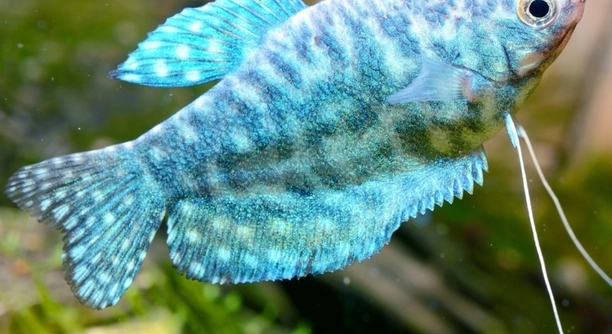
Are your gourami showing signs of unusual behavior or inactivity? Many fish owners wonder if their gourami might be feeling lonely in their tanks. Recognizing loneliness in these fish can help improve their well-being and environment.
Gourami exhibit loneliness through specific behaviors such as reduced activity, loss of appetite, and increased hiding. Social species like gourami require companionship or environmental enrichment to maintain normal behaviors and overall health. Identifying these signs early is essential for their care.
Learning these indicators can help you create a happier habitat for your gourami. Small changes can make a big difference in their daily lives and health.
Signs of Reduced Activity and Hiding
When gourami feel lonely, one of the first things you might notice is a drop in their usual activity levels. They tend to swim less and often stay near the bottom or corners of the tank. This behavior is a way of avoiding interaction when they feel isolated. Along with this, they may hide more frequently behind plants or decorations. This withdrawal can indicate stress or discomfort caused by loneliness. Watching for these subtle changes helps you spot when your gourami need more attention or company. Creating a comfortable environment with enough hiding spots can help, but it doesn’t replace the social needs these fish have.
Lonely gourami will also become less curious about their surroundings and tank mates. They may stop responding to feeding time or lose interest in exploring.
Adding more compatible gourami or tank mates can encourage activity and reduce hiding. A well-populated tank often keeps gourami more engaged and lively.
Changes in Appetite and Social Interaction
Loss of appetite is another common sign gourami are feeling lonely or stressed. When these fish do not have enough social stimulation, they can lose interest in food. This drop in eating can lead to weaker health and slower growth. Gourami usually show excitement at feeding time, so a sudden change in this behavior is a warning sign. Also, gourami that are lonely may avoid interacting with other fish. They might not chase or play as usual, seeming distant or indifferent.
Lonely gourami may stop displaying their typical social behaviors, such as bubble nest building or gentle chasing.
To improve their appetite and social interaction, ensure the tank environment is enriching with plants and hiding spots. Introducing a few more gourami can fulfill their social needs and encourage normal behavior. Keep an eye on their health and feeding habits to make timely adjustments. Proper water quality and tank conditions are also essential to keep gourami active and healthy.
Color Fading and Physical Signs
Lonely gourami often show faded colors and dull appearance. This lack of vibrancy signals stress or poor health, which loneliness can cause.
Color fading occurs because stressed gourami produce fewer pigments, making them look less bright than usual. This can also mean their immune system is weakened, making them prone to illness. Physical signs such as clamped fins or thin bodies might appear alongside color changes. Observing your gourami regularly helps catch these symptoms early. Adjusting their social environment and tank conditions can improve their colors and overall health over time.
To help your gourami regain their bright colors, try adding companions of the same species or providing more stimulating tank decorations. A varied diet with quality foods can also boost their vitality and appearance. Keep water conditions stable, as fluctuations can worsen stress and fading.
Increased Aggression or Restlessness
Sometimes loneliness in gourami leads to unusual aggression or restlessness. This behavior happens when they feel unsettled or bored in their tank.
Gourami that act aggressively may nip at tank mates or flare their fins often. This is their way of coping with loneliness but can harm other fish. Restlessness shows as constant swimming or pacing along the tank walls without settling down. These behaviors indicate the gourami need more social interaction or environmental enrichment to feel secure.
To reduce aggression and restlessness, introduce tank mates gradually and monitor how your gourami reacts. Providing hiding places and plants can create a more comfortable space. Regular feeding and keeping a consistent routine help calm restless fish. If aggression continues, reconsider the number and types of fish in the tank to promote harmony.
Lack of Bubble Nest Building
Gourami typically build bubble nests as part of their natural behavior, especially males. When lonely, this activity often decreases or stops completely.
The absence of bubble nests can indicate stress or poor social conditions. This behavior usually signals that the fish is not feeling secure or motivated in its environment.
Changes in Breathing Patterns
Lonely gourami sometimes show rapid or labored breathing. This can result from stress or poor water quality, both of which affect their health and comfort.
Keep an eye on their gill movement and overall breathing rate. If the pattern seems abnormal, check the tank’s water parameters and consider if loneliness might be adding to their stress.
Unusual Swimming Patterns
Gourami that are lonely may swim erratically or stay in one spot for long periods. This behavior is different from their usual calm and exploratory movements.
These unusual swimming habits suggest discomfort or distress that often improves when their social needs are met.
FAQ
How many gourami should I keep together?
Gourami are social fish, and keeping at least two to three together is ideal. This helps prevent loneliness and encourages natural behaviors like swimming and interacting. However, avoid overcrowding, as it can lead to stress and aggression. Make sure your tank size can comfortably support the number of fish.
Can gourami live alone without problems?
Some gourami species can survive alone, but they may show signs of loneliness or stress over time. Social species especially benefit from having companions or environmental enrichment. A lonely gourami might become inactive or hide more, so it’s best to provide company whenever possible.
What tank size is best for multiple gourami?
A minimum tank size of 20 gallons is recommended for two or three gourami. Larger tanks give them enough space to swim freely and reduce territorial disputes. Proper filtration and regular water changes are also important to maintain a healthy environment.
How can I reduce aggression in gourami?
Aggression often arises from stress or boredom. Adding plants, decorations, and hiding spots helps create territories and reduces conflict. Keeping an appropriate number of fish and avoiding overcrowding also lowers aggression. Introducing new fish slowly and monitoring interactions can prevent fights.
Are gourami territorial?
Yes, gourami can be territorial, especially males. They may chase or nip at others when they feel their space is threatened. Providing enough space and hiding places helps reduce territorial behavior and keeps the tank peaceful.
What are signs my gourami are stressed besides loneliness?
Besides loneliness, stress signs include rapid breathing, clamped fins, loss of appetite, and hiding. Poor water quality, sudden changes in temperature, or aggressive tank mates can also cause stress. Regular monitoring and proper tank care help keep gourami healthy.
Can gourami live with other fish?
Gourami generally get along well with peaceful community fish like tetras or rasboras. Avoid aggressive or very active species that might harass them. Make sure tank mates have similar water requirements to ensure a balanced environment.
How do I improve my gourami’s environment?
Add live plants, rocks, and decorations to mimic a natural habitat. These provide hiding places and reduce stress. Regular water changes and maintaining stable temperature and pH levels are also key. Feeding a balanced diet keeps gourami healthy and active.
What should I do if my gourami stops eating?
Loss of appetite can indicate loneliness, illness, or poor water conditions. Check water parameters first, then observe for other symptoms. Try offering varied foods, including live or frozen options, to stimulate interest. If the problem continues, consider consulting a vet or fish expert.
How long does it take for gourami to adjust to new tank mates?
Adjustment times vary but usually take a few days to a couple of weeks. During this time, monitor interactions closely for signs of aggression or stress. Providing plenty of space and hiding spots helps ease the transition.
Is it normal for gourami to hide a lot?
Occasional hiding is normal, especially when they feel threatened or during rest. However, constant hiding may suggest loneliness, stress, or illness. Check tank conditions and social setup to improve their comfort.
Can I keep male gourami together?
Male gourami can be aggressive toward each other, especially in small tanks. If you want multiple males, provide a large tank with many hiding places to reduce conflict. Otherwise, it’s best to keep only one male per tank or mix with females.
How can I tell if my gourami is happy?
Happy gourami are active, eat well, and display bright colors. They swim openly, build bubble nests if males, and interact with tank mates. Observing these behaviors shows they feel secure and content in their environment.
What role does diet play in gourami behavior?
A balanced diet supports their health and mood. Poor nutrition can cause lethargy or stress behaviors. Include a mix of flakes, pellets, and occasional live or frozen foods for variety and nutrition.
Can loneliness cause illness in gourami?
Yes, stress from loneliness can weaken their immune system, making them more prone to diseases like fin rot or fungal infections. Preventing loneliness helps maintain their overall health and reduces the risk of illness.
What is the best way to introduce new gourami?
Acclimate new gourami slowly by floating their bag in the tank to equalize temperature. Gradually mix tank water into the bag before releasing them. Introduce them during calm times and watch for aggressive behavior. Providing plenty of hiding spots helps new fish settle in.
Gourami are peaceful fish that enjoy company and a well-balanced environment. When they feel lonely, their behavior and health can change noticeably. Watching for signs like reduced activity, color fading, or changes in appetite helps identify if they need more social interaction. It is important to meet these needs to keep your gourami healthy and happy. By paying attention to their habits and reactions, you can make small changes that improve their quality of life.
Creating the right environment is key to preventing loneliness in gourami. A properly sized tank with enough space and hiding spots makes a big difference. Adding a few compatible gourami or other peaceful fish can provide the social interaction they need. Also, maintaining clean water and stable conditions supports their well-being. Feeding a varied diet helps keep their energy and colors vibrant. Together, these factors create a balanced habitat that reduces stress and promotes natural behaviors.
Loneliness can cause stress, which weakens gourami and leads to health problems. Early detection of loneliness signs allows you to adjust their care before serious issues develop. Simple steps like increasing companionship or improving tank conditions often restore their comfort and activity. Remember that every gourami is unique and may show loneliness differently. Being observant and responsive helps ensure your fish thrive in their tank. Keeping gourami healthy takes ongoing attention but is rewarding for both fish and keeper alike.

Hello,
If you enjoy the content that we create, please consider saying a "Thank You!" by leaving a tip.
Every little bit helps us continue crafting quality advice that supports the health, happiness, and well-being of pets around the world, for pets of all shapes, sizes, and species.
We really appreciate the kindness and support that you show us!