
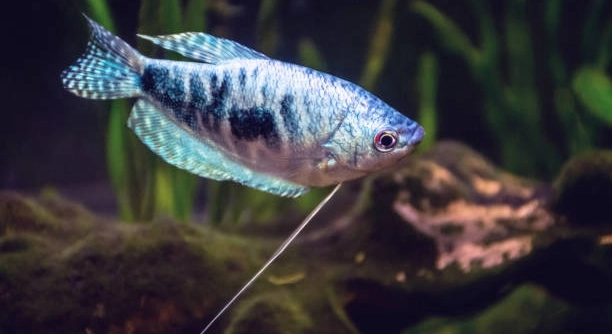
Gourami fish are known for their beauty and unique behavior. As an aquarium enthusiast, you may wonder how to tell if your gourami are forming bonds with one another. Their interactions can reveal a lot about their relationship.
When gourami are bonding, they often display close swimming, mild chasing, or even gentle nipping. These behaviors suggest they are either establishing or strengthening their social connection. It’s important to monitor for these signs regularly.
Observing these bonding behaviors can give you insight into your fish’s health and happiness. Keep reading to learn more about the different signs of bonding between gourami.
Close Swimming and Physical Contact
When gourami begin to bond, you will notice them swimming close together. This is a sign they are comfortable with each other and forming a connection. Gourami are known for their peaceful nature, and when they feel secure, they’ll often stay near each other. During these moments, they may even touch one another lightly as a form of reassurance.
You might also see them swimming side by side, moving in sync. This behavior suggests they’re building trust. If you observe this consistently, it’s a good indication that they’re bonding.
Gourami, especially those in pairs, will often choose to swim in close proximity when they are happy together. These moments aren’t just about physical closeness but also emotional comfort. It’s like a sign that the bond is becoming stronger. If they seem calm and relaxed, with minimal signs of aggression, it’s a positive sign. A lack of stress during these interactions means the fish are likely feeling secure in their environment. So, if your gourami keep sticking together, take it as a positive sign of bonding.
Chasing and Playful Behavior
Chasing is another way gourami bond. Unlike aggressive chasing, playful chasing is often seen during their bonding phase.
During this time, gourami will chase each other around in the tank, but there’s usually no harm done. This behavior is a sign they are testing boundaries and strengthening their relationship. However, it’s essential to ensure that chasing doesn’t turn into aggressive fighting. A little chase here and there is normal and can be fun for them.
But if it escalates to persistent nipping or stress signs like hiding, it may indicate issues. You can distinguish between healthy playful behavior and stress by watching the fish’s body language. Gourami that are truly bonding will typically show no signs of anxiety. Their fins will remain intact, and they won’t try to hide away from each other. When everything feels balanced, these playful interactions will continue without disrupting the harmony of your tank. This behavior is common in males who are trying to court females, but it can also occur between two bonded individuals.
Subtle Nipping and Gentle Interactions
Nipping is common among gourami as part of their bonding process. It might seem aggressive at first, but when done gently, it can actually strengthen the relationship between the fish. Unlike rough biting, gentle nipping is part of their social behavior and doesn’t usually result in injury. It’s often used as a way for them to assert dominance or to test how the other responds.
It’s important to note that the nipping will not be constant, and it’s often brief. If you see your gourami nibbling on each other, it’s usually a positive sign that they are engaging with each other socially. As long as the behavior remains light, there’s nothing to worry about. It’s a healthy way for them to communicate and bond.
In some cases, the gentle nipping may even lead to more mutual grooming and companionship between the fish. Watching how your gourami interact can give you insight into their growing connection. If the nipping becomes rough or leads to injury, you’ll need to step in and adjust their environment, but until then, light nipping is just another way they’re building a bond.
Mutual Grooming
Gourami often engage in mutual grooming when they’re bonding. This usually involves one fish gently rubbing or nibbling the other’s body. It’s a sign of affection and trust. During these interactions, you’ll notice both fish appear calm and relaxed. They may even pause to interact in these quiet moments.
Mutual grooming is a good indicator that your gourami feel safe and comfortable with each other. The gentle behavior helps maintain their skin and health by removing parasites or dead scales. In a healthy aquarium, you’ll see these behaviors more frequently between bonded fish. It’s a key sign of a growing connection.
If one fish is excessively grooming the other, it might suggest one is more dominant. However, as long as the behavior remains gentle and doesn’t lead to stress, mutual grooming is a positive sign. Watch closely to see if they share this interaction consistently. Bonded gourami often rely on grooming to reinforce their relationship. This is especially common in males who are trying to form a deeper bond with females.
Increased Hiding Together
When gourami start bonding, you’ll notice they may hide together in certain areas of the tank. While it’s normal for gourami to seek shelter from time to time, hiding with a partner can indicate a closer bond. They seek these spots for comfort and safety.
Hiding together usually happens in secluded parts of the tank where the fish feel secure. This could be near plants, caves, or decorations where they can retreat. It shows they trust one another and feel protected in each other’s presence. They may even stay together in the same hiding spot for extended periods.
If they consistently choose the same hiding places, it could mean that their connection is growing stronger. It’s a sign that they feel safe and prefer each other’s company. This behavior often occurs after they’ve gone through a period of adjusting to the tank and each other. The more they hide together, the more bonded they become. Keeping an eye on these hiding patterns can give you clues about their emotional state.
Reduced Aggression
When gourami start bonding, you’ll notice a decrease in aggressive behavior. They’ll be less likely to chase each other aggressively or show signs of territoriality. This calm behavior suggests they are comfortable and familiar with each other. It’s a clear sign that they are becoming more relaxed together.
During this period, the fish may interact peacefully and not show any signs of stress. If your gourami were previously aggressive, the decrease in these behaviors is an encouraging sign. It shows they’ve established a level of trust and can coexist without conflict. This peaceful behavior is key in strengthening their bond.
Shared Territory
Bonded gourami often share the same territory in the tank. They will both claim areas near plants, rocks, or decorations as their own, and neither fish will challenge the other for control. This shared space represents their growing trust and comfort.
When they no longer feel the need to defend their space, it’s a strong indicator that their bond is solidifying. Watching for this behavior helps you determine how well they’ve adapted to each other. Shared territory also allows them to feel safer and more relaxed in their environment. The less territorial behavior you see, the stronger their bond likely is.
FAQ
What are the signs that gourami are bonding?
Bonding gourami typically show behaviors like swimming close together, gentle chasing, mutual grooming, and reduced aggression. They may also spend time hiding together in the same space. These signs indicate comfort and trust between the fish. Close physical contact, such as rubbing against each other or synchronized swimming, are also clear indicators that the bond is developing.
Can male gourami bond with other males?
Yes, male gourami can bond with other males, but it’s not as common as bonding between a male and female. Male gourami often compete for dominance, especially when there are females present. However, in a stress-free environment with enough space, males can form close relationships, particularly when there are no females to compete for. This bond is typically based on mutual respect and lack of aggression.
How long does it take for gourami to form a bond?
The bonding process can take anywhere from a few days to several weeks. It depends on the individual fish, their temperament, and the tank environment. Gourami typically start to show signs of bonding after they’ve settled into the tank and have had time to adjust to each other. The more compatible the fish are, the faster they will bond.
What should I do if my gourami are fighting?
If your gourami are fighting, it’s essential to assess the situation. Make sure there’s enough space for each fish to establish its territory. Adding more hiding spots, plants, and decorations can reduce stress and provide personal space. If aggression persists, consider separating the fish temporarily to allow them to calm down and reintroduce them slowly.
Do gourami prefer to bond in pairs?
Gourami are often more comfortable bonding in pairs, especially during the breeding season. A bonded pair will form a close relationship and care for each other. While gourami can form bonds with more than one fish, a male and female pair is the most typical and stable.
Is it possible for gourami to bond with other species?
Gourami can sometimes bond with other species, particularly peaceful fish that are not aggressive. However, it’s more common for them to bond with other gourami or similar species. They may interact with other fish in the tank, but their bond will usually be stronger with their own kind. Compatibility with other species depends on the tank’s dynamics and the behavior of each fish.
How can I encourage my gourami to bond?
To encourage bonding, ensure your tank provides ample space and hiding spots. A well-planted tank with plenty of natural cover helps gourami feel secure. Avoid overcrowding and maintain good water quality. Reducing stress and providing a peaceful environment will help your gourami form a stronger bond.
What should I do if my gourami are not bonding?
If your gourami are not bonding, first make sure the tank conditions are right. Stress, overcrowding, or poor water quality can prevent them from feeling comfortable enough to bond. Try separating the fish to allow them time apart and then reintroduce them slowly. Sometimes, certain fish just don’t get along, and in that case, it may be better to keep them in separate tanks.
Can I keep more than one pair of bonded gourami in the same tank?
Yes, you can keep multiple pairs of bonded gourami in the same tank, but it’s essential to provide enough space and resources. Overcrowding can cause stress, leading to aggression. Be sure each pair has their own territory and hiding spots to prevent conflict. Monitor the fish closely to ensure that they are coexisting peacefully.
How do I know if my gourami are happy?
Happy gourami are active, swim together, and display calm behavior. They should engage in friendly interactions like gentle nipping and mutual grooming. You’ll see them exploring the tank, maintaining a healthy appearance, and showing little to no signs of stress. If your gourami seem relaxed, are eating well, and are not showing aggression, they are likely content.
Is it normal for bonded gourami to have some aggression?
Yes, some light aggression can still occur, especially if there are changes in the tank, such as the introduction of new fish or breeding behavior. However, consistent or excessive aggression is a sign that something isn’t right. It’s essential to ensure there are enough resources and space for all the fish to feel secure.
How do I tell if my gourami are forming a bond with each other or just being territorial?
The key difference between bonding behavior and territorial aggression is the intention behind the actions. Bonding gourami engage in gentle interactions like mutual grooming or swimming together peacefully. Territorial behavior, on the other hand, often involves chasing, chasing to the point of stress, and not sharing space. Bonded gourami will stay close and interact calmly.
Why is it important to monitor the behavior of my gourami?
Monitoring their behavior helps ensure they are bonding properly and staying healthy. If there are signs of stress, aggression, or illness, you can address the issues early on. By watching closely, you can make sure your gourami thrive and create a peaceful tank environment.
Final Thoughts
Watching gourami form bonds is a rewarding experience for any aquarium keeper. Their gentle interactions, like swimming together, grooming, and reduced aggression, show the growth of trust and comfort. When these behaviors are present, you can feel confident that your gourami are building a strong social connection. A peaceful environment with plenty of space, hiding spots, and plants will encourage this bonding process and help your fish feel secure.
It’s important to understand that not all gourami will bond the same way or at the same pace. Some may take longer to adjust, and that’s perfectly normal. Each fish has its own personality, and bonding can depend on factors like tank conditions, the compatibility of the fish, and their individual temperaments. If you observe that your gourami aren’t bonding right away, don’t worry too much. With time, patience, and a stress-free environment, they may eventually connect.
Keeping a close eye on their behavior will help you identify when they are forming a bond or when something might be wrong. If aggression increases or signs of stress appear, it may be necessary to adjust the tank setup or separate the fish temporarily. By understanding the signs of bonding, you can create a better environment for your gourami, allowing them to live in harmony and thrive together.

Hello,
If you enjoy the content that we create, please consider saying a "Thank You!" by leaving a tip.
Every little bit helps us continue crafting quality advice that supports the health, happiness, and well-being of pets around the world, for pets of all shapes, sizes, and species.
We really appreciate the kindness and support that you show us!