
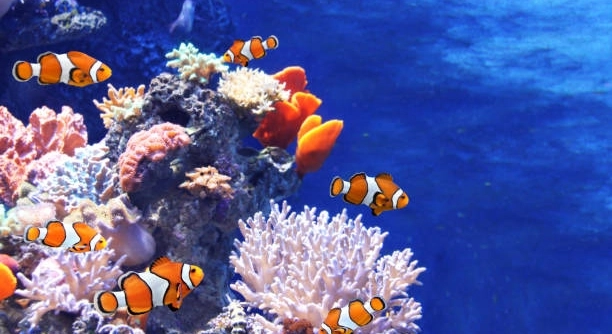
Clownfish are fascinating creatures known for their bright colors and close relationship with sea anemones. Many aquarium enthusiasts enjoy watching how these fish interact and form social bonds in their environment. Observing these behaviors can reveal much about their connections.
Clownfish form bonds through specific behaviors such as synchronized swimming, mutual cleaning, and sharing territory. They often show increased proximity, gentle nipping, and coordinated defense against intruders, which indicate the development of a social or mating partnership.
Recognizing these signs can help you better understand the social lives of clownfish and enhance your aquarium experience. The details of their bonding behaviors are subtle but rewarding to observe closely.
Synchronized Swimming and Movement Patterns
Clownfish that are forming a bond often swim closely together in synchronized patterns. This behavior shows their comfort and trust in each other. When two clownfish move in harmony, matching speed and direction, it signals a growing connection. You might notice them weaving through the anemone or circling the same areas together. This coordinated swimming helps strengthen their relationship and shows they are aware of each other’s presence. It also allows them to communicate non-verbally and establish roles within their shared territory. Watching this behavior can reveal which clownfish are pairing up or building social ties. These subtle movements are easy to miss unless you pay close attention to their timing and closeness. Over time, the fish spend more moments swimming side by side than apart, which is a clear indicator of their developing bond.
This synchronized movement is not random but a deliberate social signal. It reflects cooperation and comfort between the pair.
Recognizing these coordinated swimming patterns will give you insight into how clownfish communicate and bond without vocal sounds. It also helps you understand their social structure and how they support each other in their environment. Paying attention to these details can deepen your appreciation for their natural behaviors and improve how you care for them in captivity.
Mutual Cleaning and Physical Contact
Mutual cleaning is a common way clownfish build trust and maintain their bond. This behavior involves gently nibbling or rubbing each other to remove parasites or debris. It strengthens their connection by promoting physical closeness and cooperation. When clownfish take turns cleaning, it shows they feel safe and accepted. This exchange requires patience and calmness from both fish, which helps reduce aggression. It also encourages healthy skin and fins, contributing to their overall wellbeing.
This gentle contact signals friendship and partnership between the fish.
In many cases, the fish that clean each other are more likely to stay close and defend one another from threats. This behavior also helps reduce stress and builds a stronger relationship. Watching your clownfish engage in mutual cleaning is a sign of a stable and trusting bond forming in your aquarium.
Shared Territory and Cooperative Defense
Clownfish that bond often share a territory within the anemone or coral environment. They actively defend this space from intruders, working together to keep the area safe. This cooperation shows they trust each other and recognize their partnership. You might see them chasing away other fish or standing guard side by side. Sharing territory strengthens their bond by creating a sense of ownership and mutual responsibility. It also ensures both fish benefit from the safety and resources in the area. This territorial behavior is a key part of how clownfish maintain their relationships in the wild and in captivity. When clownfish share space peacefully, it indicates a strong social connection and balance.
Territorial sharing helps the pair build trust and protect their environment effectively.
This cooperation not only protects their home but also increases their chances of survival. By defending the territory together, clownfish demonstrate teamwork and mutual support. This shared responsibility deepens their bond and helps maintain harmony within their living space. Observing these defensive behaviors can show you how well your clownfish pair works as a team and how committed they are to their partnership.
Increased Proximity and Resting Together
Clownfish that are bonding spend more time close to each other. They often rest side by side within the safety of the anemone. This close proximity shows comfort and trust between the pair.
Spending time near each other reduces stress and strengthens their relationship. When clownfish rest together, it helps them feel secure and protected. Their closeness also allows them to communicate subtle signals about their mood and intentions. This behavior is common among bonded pairs and is a key indicator of social connection. Over time, the fish become less territorial toward each other, preferring to stay near rather than apart. Watching them settle close can reveal which clownfish are forming a stronger bond in your aquarium.
This resting behavior is more than just relaxation—it reflects the emotional state of the fish and their willingness to support each other. Their physical closeness creates a calming effect, promoting overall health and social harmony within their shared environment.
Gentle Nipping and Interaction
Gentle nipping between clownfish is a way to interact and test boundaries without aggression. This soft behavior helps establish roles within their relationship and shows trust. It’s different from biting, which is more aggressive and defensive.
This behavior helps clownfish communicate and maintain balance in their partnership. The gentle nips can serve as reminders or invitations for attention. It’s a way to engage without causing harm and encourages mutual respect. Through this subtle interaction, the fish learn each other’s limits and preferences. This playfulness is a positive sign of bonding and social connection. Nipping can also be part of mating rituals, signaling readiness and interest between the pair.
Recognizing gentle nipping helps distinguish healthy social behavior from conflicts. It highlights how clownfish use small physical signals to build and maintain their relationships naturally.
Coordinated Feeding Behavior
Clownfish that are bonded often feed together in a coordinated way. They share food sources without aggression, showing trust and cooperation. This shared feeding strengthens their connection.
Feeding side by side helps maintain harmony and reduces competition. It’s a sign that the pair values cooperation over conflict.
Vocalizations and Sounds
Clownfish produce soft sounds during interactions, especially when bonding. These vocalizations include clicks and pops that help communicate intentions and establish social bonds. The sounds are subtle but important for maintaining harmony and signaling comfort between partners.
Shared Cleaning of the Anemone
Bonded clownfish often work together to clean their host anemone. This cooperative behavior helps maintain a healthy environment for both fish and anemone, strengthening their relationship.
Following Each Other
Clownfish that have formed a bond often follow each other closely while exploring their surroundings. This behavior shows trust and companionship in their daily activities.
How do clownfish choose their partners?
Clownfish usually form bonds based on social hierarchy and compatibility. The dominant female and male in a group pair off, while others remain lower in rank. They tend to choose partners within their group, often based on size and behavior. Compatibility involves shared territory and mutual tolerance, which helps maintain peace in their environment.
Can clownfish form bonds with multiple partners?
Clownfish typically form monogamous pairs, bonding closely with one partner at a time. This pairing helps ensure reproductive success and stable territory defense. While they may interact with other clownfish, strong social bonds usually exist only between the main male and female pair in a group.
How long does it take for clownfish to bond?
The bonding process can take several weeks to months depending on the environment and individual fish personalities. Factors like tank size, presence of anemones, and the social group’s stability influence how quickly clownfish develop trust and cooperation. Frequent observation is needed to spot early bonding behaviors.
What are signs that clownfish are stressed and not bonding well?
Signs of stress include increased aggression, chasing without mutual tolerance, hiding separately, and lack of coordinated behaviors like swimming or feeding together. Stressed clownfish may also show faded colors or frayed fins. Poor bonding can lead to fights and health issues if not addressed.
Do clownfish only bond in captivity, or does this happen in the wild?
Clownfish bond both in captivity and in the wild. In natural reefs, bonding is essential for survival, mating, and defending territory. Captive environments that mimic natural conditions encourage similar bonding behaviors, but space and stress factors can affect how well this occurs.
Can clownfish bond with other species?
Clownfish mainly bond with their own species. While they can coexist peacefully with other fish in a tank, strong social bonds like synchronized swimming and mutual cleaning are usually limited to clownfish pairs. Cross-species bonding is rare and generally not observed.
How does bonding affect clownfish reproduction?
Bonding plays a crucial role in reproduction. Paired clownfish engage in courtship behaviors, coordinated egg laying, and shared parental care. A strong bond improves the chances of successful mating and increases protection of eggs. Without a bond, reproduction may be less successful or not occur.
What role does the host anemone play in clownfish bonding?
The host anemone provides shelter and a safe space for clownfish to interact and bond. It acts as a shared territory that the pair defends together. The anemone’s protection reduces stress and encourages cooperative behaviors, reinforcing their connection.
How can I encourage bonding between clownfish in my aquarium?
Provide a comfortable environment with ample hiding spots and a healthy host anemone. Avoid overcrowding and maintain stable water conditions. Observe the fish regularly to identify signs of aggression or stress, and separate individuals if necessary. Feeding them together and minimizing disturbances helps encourage bonding.
Is it normal for bonded clownfish to show occasional aggression?
Yes, occasional mild aggression is normal as they establish and maintain their hierarchy. However, consistent aggressive behavior can indicate stress or poor compatibility. Watching their interactions carefully can help determine if the aggression is healthy or harmful.
Do bonded clownfish stay bonded for life?
Typically, clownfish pairs remain bonded for life unless disrupted by changes in environment, illness, or death of a partner. Their strong social connection supports long-term cooperation in territory defense and reproduction.
Can bonding behavior be used to identify the sex of clownfish?
Bonding behavior can offer clues, since the dominant female is usually larger and more aggressive. The male supports the female and participates in caring for eggs. Observing interactions and hierarchy can help determine sex without invasive methods.
Clownfish bonding is a fascinating aspect of their behavior that reflects their social nature. Observing how these fish interact through swimming patterns, mutual cleaning, and shared territory gives a clear picture of their relationships. These behaviors are not random but serve important purposes, such as building trust and cooperation between pairs. Understanding these signs can help anyone caring for clownfish better support their natural behaviors and wellbeing. It also adds an enjoyable dimension to watching them in an aquarium.
Bonding among clownfish is essential for their survival and reproduction. A strong bond helps pairs defend their territory, share resources, and work together to protect their eggs. When clownfish show signs like resting close together or gentle nipping, it means they are establishing a connection that benefits both fish. In captivity, creating the right environment with stable water conditions, enough space, and a suitable host anemone encourages these natural bonding behaviors. Being aware of these details allows caretakers to reduce stress and promote healthy social interactions among their clownfish.
Paying attention to clownfish bonding helps improve the overall aquarium experience. Recognizing subtle cues like synchronized swimming or cooperative feeding adds meaning to everyday observations. It also makes it easier to identify if the fish are comfortable or stressed. When bonding is successful, clownfish exhibit less aggression and more peaceful coexistence. This harmony benefits their health and longevity. Overall, understanding clownfish bonds is both interesting and useful for anyone who wants to create a balanced and thriving aquatic environment.

Hello,
If you enjoy the content that we create, please consider saying a "Thank You!" by leaving a tip.
Every little bit helps us continue crafting quality advice that supports the health, happiness, and well-being of pets around the world, for pets of all shapes, sizes, and species.
We really appreciate the kindness and support that you show us!